


The annual release of the Penfolds Collection continues to be one of the highlights of the Australian wine calendar, even more so when the new Grange comes from what is already quickly becoming a legendary vintage. As usual, the focus (for those attending, if not for Penfolds themselves) is all about that wine. But every year, there are more and more others that demand attention and provide excitement.
This year, as always, five different vintages were on display. There are wines not only from home territory but France, China, and the United States, as well as cross-border inclusions. Most local releases come from the 2023 vintage, across numerous regions. In general, 2023 was a more than serviceable year, though it struggles to compete with the superb 2021, stellar 2022, and the increasingly impressive 2024. That said, many of these wines more than exceeded expectations for the vintage. We also have the Bin 51 Riesling from 2025, which gives every indication that this will be another exciting year. (Yes, a small sample, but other 2025s are playing the same tune.)
For me, the pick from 2023 is an astoundingly good Magill, along with both the RWT and Bin 707, with Bin 389 a whisker behind, and Bin 138 for value. The 2022 St Henri is undoubtedly impressive but falls short of the 2021 by a wider margin than expected. (Others disagreed, but that always happens when a dozen or two scribes are assembled.)
The 2021 Grange will surely come to be regarded as one of the very greatest of all Granges and should be in every wine lover’s cellar, though deep pockets are inevitably necessary. At the very least, find a way to taste this gem.
Related


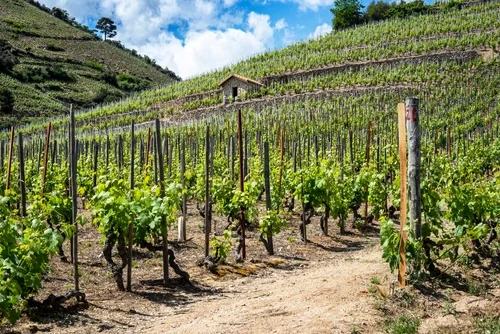
From offshore, the 2022 Bin 600 from the US stands out and is seriously good value. From France, 2022 FWT 585, a Bordeaux blend, is a star, while the international blends Bin 149 2022 and Quantum 2021 are others. For Bin 149, it really does help when one can source Cabernet from the Kalimna Vineyard, the oldest Cabernet vineyard on the planet, first planted in 1888 (and then purchased by Penfolds in 1945).
We have not even touched upon any of the whites so far, which seems distinctly unfair. One thing that was a little different this time was that we tasted the Australian reds first, then the whites, and followed that with the offshore contingent. Did it make a difference? I don’t think so.
Beyond all that? Well, an embargo prevents us from mentioning anything more, but you can be certain that there are some wonderfully exciting wines in store, and next year’s Collection should be just as thrilling.
Content from our partners


AUSTRALIA
2025 Bin 311 Chardonnay (A$55 / £32 / €37)
Very much the multiregional style, with fruit sourced from the Adelaide Hills, Tumbarumba, and Tasmania. Maturation is for eight months in French oak barriques, 23% new.
A pristine lemon hue, this is taut and concentrated, with gentle stone-fruit aromas weaving through attractive oak integration. That oak integration is still proceeding, but meanwhile we have notes of dried herbs, florals, fennel, peach pits, and nectarines. The wine is of medium length, and there is a pleasing freshness here, with good focus and a line of crunchy acidity. There is room for further improvement over the next eight years, during which time it should provide plenty of drinking pleasure. | 92
2025 Reserve Bin A Adelaide Hills Chardonnay (A$125 / £70 / €80)
Recent releases of Bin A Chardonnay certainly exhibit far more refinement than they did in its early days, when it was more Wild Colonial Boy than Raffles. Its distinctive personality is far more polished of late. And yet there was something a bit exciting, a bit edgy, about those early releases. We are not quite in baby-out-with-the-bathwater territory yet, but I do fear that it is simply becoming yet another Chardy. Granted, an exceptionally fine one, but this is now a wine that pays its taxes on time and stops at yellow lights. Is it attempting to emulate Yattarna, and if so, why? We already have a Yattarna. From the Adelaide Hills, the wine spent eight months in French oak barriques, 58% of them new. (Penfolds notes 31% in one-year-old oak, so the pedants among us might wonder about that other 11%.) It’s early days for a full assessment of 2025, but very promising so far. A cooler year producing fresh and elegant wines.
The palest shimmering yellow hue, there is serious intensity here, right from the opening. Early complexity is evident, but the wine is delightfully fresh at the moment. The nose reveals notes of grapefruits, a touch of nectarines, and hazelnuts. Finely balanced and elegant; there is a line of gentle acidity running the length and good concentration throughout. That intensity is maintained for the full journey. A lot to like here and it will certainly improve over the next 8–12 years, while providing pleasure along the way. A great Bin A? Now perhaps not, but in ten years it certainly has every chance. | 94
2024 Yattarna Chardonnay (A$220 / £135 / €155)
There was a time when Bin A and Yattarna differed far more in style than in quality. These days, perhaps the reverse. Yattarna has firmly established itself as, not only the elite Chardonnay in the Penfolds range—which it was always intended to be, right from the first release (the 1995 in 1998)—but one of the very best made anywhere in the country. The fruit used here was sourced from vineyards in Tumbarumba, the Adelaide Hills, and Tasmania. Maturation was for eight months in French barriques, 56% of which were new.
The color here is the palest straw. On the nose, we have an array of intriguing and exquisite fragrances, including green apples, sea breezes, glacé pineapple, jasmine, almonds, and lemon curd. There is superb oak integration, with a nod to hints of oak spiciness. The wine has weight, density, and balance, with serious length, and we see early hints of the complexity that is sure to emerge with time. Elegant and ethereal, it is already a wine that is completely at ease with itself and harmonious in every aspect. There is a fine line of acidity, but perhaps what really stuns is the amazing length. A really exciting Yattarna that will provide pleasure for at least 20 years. Time in the glass simply saw a positive evolution with more gentle nectarine notes emerging and the texture exhibiting a wonderful creaminess. | 98
2022 Penfolds Grange (A$1000 / £600 / €700)
The 2022 Grange is part of the annual Collection, even though it was included with the vertical of Granges for the 75th anniversary on the day—hence its inclusion here.
2022 was a superb vintage across most regions in South Australia, cooler than many. No doubt this would have put a smile on the faces of the winemakers, as they do love cool vintages in warm regions. Districts providing the fruit for this release have been narrowed down somewhat—just the Barossa Valley, McLaren Vale, and Coonawarra. 87% of the fruit came from the Barossa. Very few vintages of Grange are 100% Shiraz, and this one is no different, a dollop of Cabernet Sauvignon included. The technical definition of a dollop being 3%. Maturation was for a year and a half in new American oak hogsheads. Some things never change, and new American oak for Grange is seemingly one of them. (As we all know, label integrity in years past was not without issues, and Gago noted that some early vintages mentioned French oak on their labels, notwithstanding that the reality was that the wines only ever saw American.) Peter Gago has compared this release with 1998, and no doubt many will be delighted if it pans out as well as that wine has. 14.5% ABV.
Bright purple/maroon in color, but in reality, this is effectively opaque throughout. On the nose, we have aromas weaving through mulberries, cloves, soy, blackberries, leather, coffee beans, gourmet sausages, dark chocolate, licorice, black cherries, and hints of red apple. The wine finishes with great length and plenty of grip. We see notes of beef stock, graphite, and axle grease emerging on the palate. The oak integration is exemplary. A wine of focus and energy. Plenty of grip there might be, but it is delightfully satiny in character. A wine that surely has 40 years ahead of it.
We looked at the wine in both magnum and bottle, and the room voted on its preference on the day. We split almost 50/50, perhaps marginally in favor of the magnum, though my vote went with the bottle. That said, at this early stage there was almost no difference. I found the bottle just a little plusher and with more appealing cherry notes. It’s hard to imagine that the magnum will not overtake it in a few years’ time. | 98

2024 Bin 707 Cabernet Sauvignon (A$800 / £450 / €525)
The success of Cabernet from the Coonawarra region in 2024 ensured that it was core to this release of 707. It is joined by fruit from the Barossa Valley and Padthaway. Maturation was in American oak hogsheads, new, for 16 months.
A very dark purple/magenta. The nose exhibits aromas of dark plums, cassis, cigar boxes, chocolate, vanilla, spices, and dried herbs. Early complexity is most certainly evident. On the palate, we move to even more intricate flavors, including blackberries and blueberries, smoked meats, beef stock, tapenade, coffee beans, and tobacco leaves. A wine with focus and balance, satiny tannins and serious length, with its intensity maintained throughout. A wonderful 707 for enjoying over the next three decades, during which we can expect that there is every chance the score might edge up just a smidge. | 97
2024 Bin 169 Coonawarra Cabernet Sauvignon (A$300; N/A UK or EU)
While the 2024 Bin 707 merged its Coonawarra fruit with other regions, Bin 169 is 100% from the district. The class of the vintage shines through here. The wine spent a year and a half in French oak hogsheads, 79% of them new. Bin 169 was made as a one-off in 1973 (seems a rather curious vintage to do that) but then revived with the 2008 vintage. As a single-region wine, it is perhaps more vintage-dependent than many of the Penfolds stable, and it was not made in 2011, 2012, 2014, 2015, 2017, 2020, or 2023. But as they say in the classics, when it is good, it is very, very good. For me, this is the best 169 I have seen, and I had it topping— marginally, granted—the 707, which is quite an achievement and makes this excellent value.
Opaque maroon with a deep crimson rim, there is great intensity here. The nose gives us aromas of mocha, dried herbs, wild raspberries, chocolate, coffee beans, delicatessen meats, tobacco leaves, cassis, and dark plums. Utterly seamless, there is a gorgeous, creamy texture and great length here, with immaculate balance. The wine really has amazing persistence through to the silkiest of tannins. An ethereal Cabernet that will provide enormous pleasure over the next 30 years. Anyone who has declared Coonawarra a spent force needs to see this wine. | 98
2024 Bin 798 RWT Barossa Valley Shiraz (A$220 / £125 / €145)
Try as they might to convince us that this wine is now Bin 798 and no longer RWT, even the Penfolds team appears to have conceded defeat, to a degree, by including “RWT” on the label. For most of us, it is and always will be RWT. For those who have come to this more recently, RWT stands for Red Winemaking Trial. The wine was first released with the 1997 vintage, as a trial, albeit a very successful one. (Yes, nearly 30 years should surely have moved this from the trial stage, but the reality is otherwise—I suspect most consumers don’t realize what RWT stands for, and fewer care). Penfolds had often fielded queries as to why it maintained American oak for its iconic Grange and had not migrated to French. This wine is all French oak hogsheads, 82% of them new, and for a period of 14 months. The fruit is entirely from the Barossa Valley.
An opaque, dark blood-red color. The nose reveals aromas of chocolate, plums, smoked meats, superbly integrated oak, leather, cocoa powder, florals, blueberries, spices, and a touch of vanilla. This is absolutely seamless and so beautifully balanced that there is not a hair out of place. Quite juicy acidity and a long, persistent finish. There is good energy here and a pleasing freshness. The wine finishes with abundant powdery tannins. To be enjoyed over the next 20 to 30 years. | 97
2024 Magill Estate Shiraz (A$180; N/A UK or EU)
While the famous winery at Magill Estate in the suburbs of Adelaide might have been surrounded by vines for most of its history—the winery was established in 1844—Penfolds has only been making a wine from the fruit harvested there since 1983. This is 100% Shiraz, and maturation is for a year and a half in new French oak hogsheads (67%) and one-year-old American oak hogsheads (33%). For an industry, and perhaps especially a producer known for blending, this is a rare single-vineyard wine from a solo variety. And this is a really excellent Magill.
Opaque maroon with a dark crimson rim; this is fresh and enticing, with aromas of dark chocolate, raspberries, cassis, violets, animal hides, tobacco leaves, mocha, aniseed, dark plums, and impressive oak integration. Seamless in structure, this is impeccably crafted and impressively balanced, with great energy and focus, finishing with sleek tannins. It really is a stunning Magill and has every chance of impressing even more over the next couple of decades. | 97
2023 St Henri Shiraz (A$135 / £95 / €110)
St Henri is always one of the most interesting wines in the annual Collection. At its best, it can rival and possibly even exceed Grange—I’m thinking of vintages like 2010 and 2018—for a fraction of the cost, and yet there will be other years when it doesn’t seem quite in the race. Never a bad wine, of course, but there does seem more variation between floor and ceiling here than we see with any of the other reds in the Collection. The first commercial vintage was 1957, and it is, in many ways, the anti-Grange: 100% Shiraz (the team concedes “a small proportion” of Cabernet may sneak into the final wine, but they refrain from saying whether that is the case here and, if so, how much), but maturation is always in large older oak vats—for this vintage, 12 months. This particular release is especially interesting, because fruit from outside South Australia has been included. A proportion of the Shiraz is from Frankland River in Western Australia. Given how special the vintage was in that region, it shouldn’t really be a surprise. The other regions to contribute were McLaren Vale, Barossa Valley, Port Lincoln, and Padthaway. The wine is named for the great Arsenal striker Thierry Henri. Okay, I made that up, but in this year of the World Cup (presumably decided by the time this hits the shelves) and the Gunners’ glorious English Premier League victory, it would be nice if Penfolds would make a retrospective announcement. As unlikely as that is, this remains an extremely good, though not absolutely elite St Henri.
Dark plum/opaque maroon in color, this is ripe and generously flavored, most approachable in its youth. The balance is excellent and the finish lingering. On the nose, we have aromas including bay leaves, black fruits, cocoa powder, baking spices, mulberries, smoked meats, bergamot, aniseed, and something akin to a chocolate snack bar, which is rather enticing. Seamless, supple, and with a creamy texture and a line of juicy acidity, this is so well balanced. It really is an excellent St Henri that will provide pleasure for the next 25 years. | 96
2024 Bin 389 Cabernet Sauvignon/Shiraz (A$120 / £70 / €80)
There must be very few serious cellars in this country that do not have a case or two of Bin 389 squirreled away. Anyone lacking in that department should seriously consider this vintage to make up for what could be seen as an embarrassing shortfall. This wine very much epitomizes the concept of blending: 53% Cabernet Sauvignon and 47% Shiraz, the fruit sourced from Coonawarra, Barossa Valley, McLaren Vale, and Padthaway. The oak used for maturation is a mix of new and older, all American oak hogsheads (34% new), for a period of 13 months. This is the wine that was often dubbed the Baby Grange, supposedly because ever since it was first made in 1960 by Max Schubert, it spent time in barrels that had previously seen Grange. Perhaps also so dubbed because it is a wine of exceptional quality—not quite Grange, but then certainly not priced like it either. This is an exceptional 389—what might be crudely described as a non-spitter.
Black/maroon in color with an opaque, blood-red rim, this is dense yet focused, intense and yet impeccably balanced. The nose offers aromas of charcuterie, bay leaves, cigar boxes, cassis, black fruits, chocolate, aniseed, dried herbs, and tapenade. Exhibiting good early complexity, this is taut, polished, and focused. There are hints of vanillin oak, but they are just lurking in the background, and the wine is beautifully integrated. A complete wine. There is a creamy texture, great length, and silky tannins, with the intensity maintained throughout. Wonderful stuff for enjoying over the next 25 to 30 years. Every chance it will step up even further over that period. | 97
2024 Bin 407 Cabernet Sauvignon (A$130 / £75 / €85)
If ever a wine makes me feel like Charlie Brown with Lucy/Penfolds yanking the football at the last moment, this is it. Every year, I arrive brimming with hope. (As I have mentioned in previous reviews of the Collection, I loved the inaugural 1990 and also the 1996, but that makes it a very long time between drinks, so to speak.) Every year, hope is sadly dashed. I simply do not get this wine. A perfectly acceptable Cabernet, sure, but certainly not one that is ever going to feature in any list of thrilling wines or bargain buying. (Seriously, more expensive than 389?) Not that terroir is often a Penfolds focus, but that certainly is not a redeeming factor here either. Every year, it is more than overshadowed by the wines that surround it. As Japanese author Haruki Murakami says, “There is nothing so cruel in this world as the desolation of having nothing to hope for.” So, I will be back next year, ready to kick that football again. That said, I am aware that Penfolds sells truckloads of this wine, so clearly, I am missing something. The fruit for this vintage is sourced from Coonawarra, Padthaway, McLaren Vale, Wrattonbully, and the Barossa Valley. Maturation was for a year in a mix of French oak hogsheads (16% new, 36% older) and American oak hogsheads (5% new, 43% older).
Inky black-maroon. On the nose we have notes of plums, black fruits, licorice, chocolate, dusty roads, and coffee grinds, with oak integration proceeding well. A wine of medium length with sleek tannins, this does linger on the finish rather pleasantly. Certainly not a bad wine but, again, outshone—as it so often is—by its siblings. Good for 12 years. | 92
2024 Bin 150 Marananga Shiraz (A$100; N/A UK or EU)
For many, the Marananga subregion in the Barossa Valley is the heart of that famous district. Whether that is expressed in wines, such as this one coming solely from the subregion, or whether the fruit from there contributes to wines more widely sourced, this is very much a jewel in the Barossa crown. 100% Shiraz, maturation was for 16 months in a mix of French (3% new, 61% older) and American (2% new and 34% older) oak hogsheads.
Dark plum with a deep red blood-red rim, this is bold, brooding, and solid, with aromas weaving through chocolate, cassis, dark plums, mocha, bitter coffee, blackberries, tobacco leaves, and with a lovely choc/cherry note emerging on the palate. Youthful but outstanding. Rich and ripe with serious length, concluding with powdery tannins on a very long finish, this is finely balanced with a revolving door of delicious flavors. There is a character that I can only think of as wild raspberry swirl on the palate. If possible, leave it in the cellar for at least 24 months and then drink it over the next 25 years. A cracker. | 94
2024 Bin 28 Shiraz (A$50 / £30 / €35)
If you haven’t been able to find it in recent vintages, this was the old Kalimna Shiraz. In days gone by, it was sourced from the famous Kalimna Vineyard, but it has expanded well beyond that. Originally made in 1959, for this vintage, the fruit is sourced from McLaren Vale, Barossa Valley, Padthaway, Clare Valley, and the Fleurieu. Maturation is for a year in American oak hogsheads, 9% of them new. For me, this must surely sit among the very best of the series, and given how long Penfolds has been making this, that is quite an achievement.
Opaque maroon with a gleaming, dark crimson rim; there is generosity here. On the nose, we have notes of plums, chocolate, blackberries, coffee grinds, hints of blueberries (actually, something more reminiscent of blueberry ice cream), freshly unearthed beetroot, and exemplary oak integration giving hints of vanilla. The structure is seamless and finely balanced, with such an appealing creamy texture. There is excellent length here and fine if ever so slightly silty tannins. A line of crunchy acidity provides the freshness and energy, and this should drink very well over the next 15 to 25 years. Definitely one of the best from the series. | 95
2024 Bin 128 Coonawarra Shiraz (A$128 / £43 / €50)
For many years, Bin 128 was inextricably linked with Bin 28, aficionados keen to compare the pair. Bin 128 is solely from Coonawarra fruit, but these days, Bin 28 is multiregional, making comparisons less relevant. The wines also enjoy very different oak treatments. No matter. Maturation here was for one year in French oak hogsheads, 12% new.
Dark purple, with a magenta rim. The nose reveals aromas of black fruits, charcuterie, animal skins, blackberries, aniseed, bergamot, cold tea, coffee grinds, leather, and dried herbs. All the building blocks are in place for a classic 128. The wine is of medium weight and offers appealing length through to abundant, furry tannins on the finish. It has a slightly chewy finish and should provide pleasure for at least the next 20 years. | 93
2024 Bin 138 Barossa Valley GSM (A$60 / £35 / €40)
While this wine may no longer be the bargain it once was—what is?—it still gets close to the Best Buy of the Collection every year. It is, yet again, a serious contender. No matter what the price, it is a joy to drink. The blend is 48% Grenache, 46% Shiraz, and 6% Mataro, all Barossa Valley fruit. Maturation is for nine months in older oak hogsheads, 63% French and 37% American. The wine was first made in 1992, when it was known as Old Vine Barossa Valley, before achieving Bin status in 1998. It is consistently one of the most enjoyable wines in the Collection.
Dark magenta with a purple rim, this is deeply flavored throughout. We have aromas weaving through notes of chocolate, coffee grinds, beef stock, black olives, licorice, blackberries, cigar boxes, and dried herbs. Love it! There is early complexity, and the palate sees the emergence of notes of mulberries, soy, cassis, dark plums, and boysenberries. The integration of oak seems so near invisible that it is no surprise to learn that there is no new oak at all involved in the maturation. A wine of medium to good length, with satiny tannins and juicy acidity, it finishes with a touch of sour cherries. There is balance throughout and excellent length here. Enjoy this for the next 15 years. An absolutely cracking 138, which simply got better and better the longer it was in glass. | 95
2025 Bin 23 Pinot Noir (A$60; N/A UK or EU)
While the world is drowning in wines named after small furry animals, various aspects of the landscape, winemakers’ children, and endless unimaginable options, that isn’t happening at Penfolds. Bin 23 achieved its moniker because the Pinot Noir barriques were stored in Cellar 23 at Magill Estate. Possibly not the most romantic of christenings, but you know where you stand. For this vintage of Pinot Noir, Penfolds left South Australia and sourced the fruit from Tasmania and the Yarra Valley. Maturation was in French barriques, 22% new.
Bright cherry/crimson in color. There are intriguing fragrances here, along the lines that only quality Pinot Noir can offer. A briary hint, with red fruits, cold tea, leaf litter, plums, spices, truffles, maraschino cherries, and animal skins; this is quite a savory style. There is a silky texture through to abundant powdery tannins. Very good length here and fine balance; this is a mouthwatering style with so much to like. Enjoy over the next eight to ten years. | 93
2025 Bin 21 Grenache (A$55; N/A UK or EU)
Yet another contender for “pragmatic wine name of the year,” Bin 21 was dubbed thus because Penfolds first Cellar Reserve Grenache from the Barossa Valley was from the 2002 vintage—cracking wine it is—while the first Bin Grenache was released in 2023, 21 years from that earlier wine. So, Bin 21 it is. Grenache has been a mainstay of the Barossa Valley, and other regions, for decades, though rarely mentioned on labels as to do so was marketing suicide, but it has been a crucial contributor to the Australian wine industry for a very long time. It was first planted in the Barossa back in the 1840s, and the vines contributing to this release date back almost 100 years, to the 1930s. As well as the Barossa, the McLaren Vale region has also contributed fruit to this wine. Maturation was for ten months in French oak hogsheads, 28% of which were new.
Purple/magenta. The nose reveals aromas of dark plums and black cherries along with truffles, mulberries, wild raspberries, and dried herbs. Generous and approachable; the structure is seamless, and the wine is of medium weight with bright acidity. In a delightfully fresh style with a supple texture, this has excellent length and should remain thoroughly delicious over the next six to ten years. Classic and classy, and if one had to choose a wine for tonight from the Collection, this might well be it, but it will certainly reward time in the cellar. | 94
USA
2023 Bin 149 Cabernet Sauvignon (A$275; N/A UK or EU)
The name of this wine comes from the original blend, the 2018, when after extensive testing and tasting, the best combination turned out to be an infusion of 14.9% fruit from South Australia to Napa Cabernet. Hence, Bin 149. They really aren’t paying the marketing team enough. Maturation was for ten months in a mix of French (78%) and American (22%) barriques, all new.
Gleaming maroon with a magenta rim, this wine offers notes of liqueur cherries, chocolate, dark plums, blackberries, a hint of blueberries, aniseed, Madagascan vanilla, and an array of spices. There is excellent oak integration here. A classy Cabernet: We see notes of cassis emerging on the palate. A wine of focus and length through to fine powdery tannins, and there is immaculate balance throughout. I like this immensely, and it should drink superbly anytime over the next 20 to 25 years. | 96
2023 Bin 704 Cabernet Sauvignon (A$125 / £60 / €70)
This wine is intended as the mirror image to Bin 407 from Australia, hence Bin 704. 100% Cabernet from the Napa Valley, maturation was for 16 months in French oak barriques, 45% of them new. Not that one wishes continually to take potshots at Bin 407, but I’ve yet to see a 704 that doesn’t blow it away.
A very dark garnet hue, with a crimson rim. There is still noticeable quality oak in the process of integration. We also have aromas of chocolate, florals, mocha, cedar, truffles, and warm earth. Offering the typical Cabernet structure/austerity, there are good flavors, fine acidity, and impressive length, with slightly gritty tannins at the finish. A wine of power, yet all is well held in restraint; it should provide pleasure anytime over the next couple of decades. | 95
2023 Bin 600 Cabernet/Shiraz (A$90; N/A UK or EU)
Back in 1988, Penfolds brought over a heritage selection of vine cuttings from famous vineyards such Kalimna and Magill Estate and planted them at what was then known as Creston 600 Ranch, the start of Penfolds activity in California. The estate is now known as Camatta Hills Vineyard, but the name, Bin 600, celebrates the original site, even though the fruit is now sourced from a range of locations. The blend is 73% Cabernet Sauvignon and 27% Shiraz, the fruit coming from various vineyards including Napa Valley, Paso Robles, and Sonoma County. Maturation was for 16 months in American oak barriques, 45% of which were new—the great Aussie red blend done American style.
Deep blood-red in color, this has the most evocative nose. We have aromas weaving through chocolate, vanilla, coffee beans, blueberries, cassis, licorice, plums, and blackberries. That hint of savoriness does add to the overall impression of this hailing from the very classy end of the spectrum. The structure is absolutely seamless, and there is a compelling, creamy texture, with serious length and very fine balance. So much to love here. A fine line of acidity runs the length, and everything is in place. Utterly complete. Twenty-five years, if you have the patience, and one can only assume it will excite even more over that time. In terms of value, this ranks very highly in this Collection. | 96
2023 Oakville Napa Valley Cabernet Sauvignon ($A450; N/A UK or EU)
A single-vineyard Cabernet from Oakville in the Napa Valley; maturation was for 16 months in American oak barriques, all new. With no Quantum in this year’s Collection, this wine sits as the prestige release from Penfolds USA wines.
Opaque maroon, and the nose offers aromas of truffles, animal flesh, blackberries, chocolate, black cherries, plums, licorice, and leather. Oak integration is exemplary and proceeding surely as the winemakers have anticipated. There is great concentration here, and the wine does have quite a fleshy note to it. We see garden herbs and leaf litter emerging on the palate, which lifts the wine, a touch more than the nose might suggest. Good concentration and very good length through to sleek tannins. It should provide pleasure for at least 20 years. | 95
FRANCE
2023 FWT 585 Cabernet Sauvignon/Merlot/Petit Verdot (A$100 / £95 / €110)
While grapes for this wine are sourced from throughout Bordeaux, regulations require that it be dubbed Vin de France. A blend of 46% Cabernet Sauvignon, 45% Merlot, and 9% Petit Verdot, maturation was for a year in French (24% new) and American (15% new) barriques.
Blood-red/magenta. There is toasty oak evident, and integration is still an ongoing process. We also have notes of chocolate, blackberries, cedar, tobacco leaves, aniseed, cocoa powder, and spices. A wine of medium length, which does fade perhaps a touch quicker than one might anticipate, this does have some grip on the finish and should offer pleasure over the next 10 to 15 years. | 93
2023 FWT 543 Syrah/Cabernet Sauvignon (A$100; N/A UK or EU)
Now we have a version of the great Aussie red blend, done French style. The split is 80% Syrah and 20% Cabernet Sauvignon, again dubbed Vin de France, with the Syrah coming from regions throughout the south of France and the Cabernet from Bordeaux. Maturation was for a year in a mix of French (13% new) and American (19% new) barriques. While the first bottle we looked at had much to recommend it, a second bottle was decidedly fresher and a step up.
A dark maroon, effectively opaque hue. The nose gives us aromas of plums and chocolates, spices, a hint of orange rind, licorice, dried herbs, and some spicy oak notes. More obvious in style than most wines in the range, we see those plums to the fore on the palate. Quite a generous style, with a plush texture, it should drink well over the next eight to ten years. The second bottle offered more focus, length, and slightly better balance, with notes of mulberries, graphite, and baking spices. A wine of great energy, it did hold its length as one might wish. Can be expected to provide pleasure for at least 10 to 15 years. One assumes that the second bottle is more representative of the wine. | 95
CHINA
2024 CWT 521 Cabernet Sauvignon/Marselan (A$150; N/A UK or EU)
While one can debate whether this wine has improved with every release, what is certainly less in contention is that this is undoubtedly the best version yet. From the Shangri-La region in Ningxia, the blend is 73% Cabernet Sauvignon and 16% Marselan (and yes, again the pedants among us will be losing sleep over that 11%). Maturation was for 14 months in a mix of French and American oak hogsheads, each providing 18% new oak.
A dark blood-red hue, with a russet/garnet rim. On the nose we have aromas of chocolate, a touch of smoked meats, animal hides, mulberries, aniseed, spices, bay leaves, cigar boxes, raspberries, and dark cherries. The wine is focused with good concentration, through to satiny tannins on a firm finish. Quite a muscular style, the palate sees notes of black fruits emerging. Neatly balanced, and we should see the wine provide pleasure for the next two decades. Undoubtedly their best release of this wine to date. | 95
50-Year-Old Rare Aged Tawny Series 9 (A$3,500; N/A UK or EU)
As is usual, only 330 bottles are made available of this extraordinary nectar. Fifty years is an average, and the mother blend from which the liquid is sourced contains material from as far back as 1915, perhaps even older. By chance, we looked at Bottle 1 from the release.
It is a heavenly fortified—complex, luscious, immaculately balanced, incredibly long. (The great old Muscats from Rutherglen are the only things I can think of that match that length.) Honey, treacle, butterscotch, teak, walnuts, almonds, sandalwood, coffee beans, white chocolate, figs, glacé pineapple, and much more. One of the world’s great fortified wines. | 99

The Rewards of Patience (ninth edition)
Some readers may recall the rather small and slightly curious paperback published back in 1985 by Penfolds called The Rewards of Patience, giving tasting notes on their wines. It was certainly a useful guide. Over the subsequent four decades, under the hand of Andrew Caillard MW, it has grown out of all recognition, and the ninth edition has just been released. No longer that innocent little paperback, it is now have a doorstop-sized hardback, some 440 pages, which comes in its own box ($50; the paperback version runs to $29). If you want to know anything about Penfolds, this is your first stop.
We have discussions of history, production, vineyards (from around the globe nowadays), varieties, the secondary market, their famous recorking clinics, vintage tables, and of course, extensive tasting notes.
All of the Bin wines are included, the icons, Special Bins, Champagnes, French, American, and Chinese wines, and even fortifieds and spirits—more than 500 wines in all. Details on the history and production of each of the wines are covered, and then every single release has notes from various panels, plus endless information. You want to know the proportion of McLaren Vale fruit in the 2015 Bin 28 Shiraz (27%) or the oak treatment of 2008 Bin 169 Coonawarra Cabernet (100% new French oak hogsheads—and the fruit came from Blocks 10 and 20, if that is of interest) or which Bin numbers under which the 1965 Grange was released (95, but also 69, 70, and 71)? This is where you’ll find the answer.
Each wine is also ranked on a five-star basis, as are the vintages for both reds and whites. It is simply an absolute treasure trove of information and essential for anyone serious about Australian wine, especially those with Penfolds wines in their cellar.


