

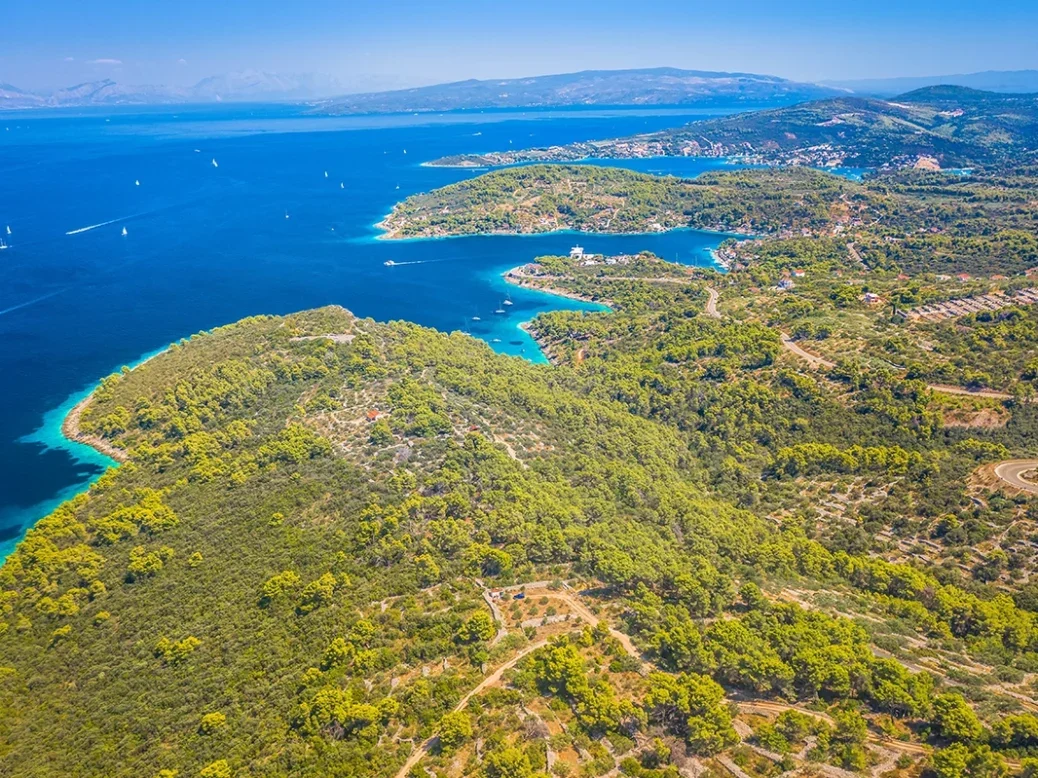
Grown almost exclusively on the Dalmatian island of Šolta, Dobričić was all-but extinct until the early 2000s, and is still known first and foremost as one of the parents of Croatian flagship Plavac Mali. As Josh Edelman discovers, however, its dark, tannic, saline wines deserve a bigger audience.
From Dobričić, I make black wine, not red,” declares Vicko Kaštelanac, while pouring a generous glass of his 2023 vintage. It is a statement of which Vicko is proud—not only for the color itself but for the inherent qualities of the rare, historic grape variety behind it: brooding, powerful, tannic.
Vicko’s story is one that paints a broader picture of wine production on Šolta—a laid-back, lesser-known island lying just off Split on Croatia’s Dalmatian coastline. Some 300 years ago, Vicko’s ancestors were successful sardine fishermen. They used profits from fishing to buy land in the inland limestone hills, where they planted grapevines and olive trees. Kaštelanac Winery was founded in 1762, and Vicko’s family has been producing wine and olive oil ever since.
White-wine production throughout the Dalmatian islands is largely based on indigenous Croatian varieties, and Šolta duly follows suit. Cheerful, lemon-scented Maraština and textured, energetic Pošip are popular with locals and tourists during the summer months and can be found in most of the island’s waterside eateries.
Related
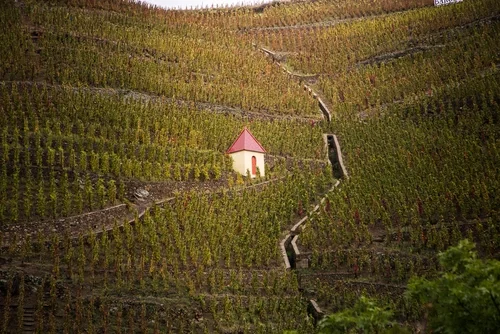
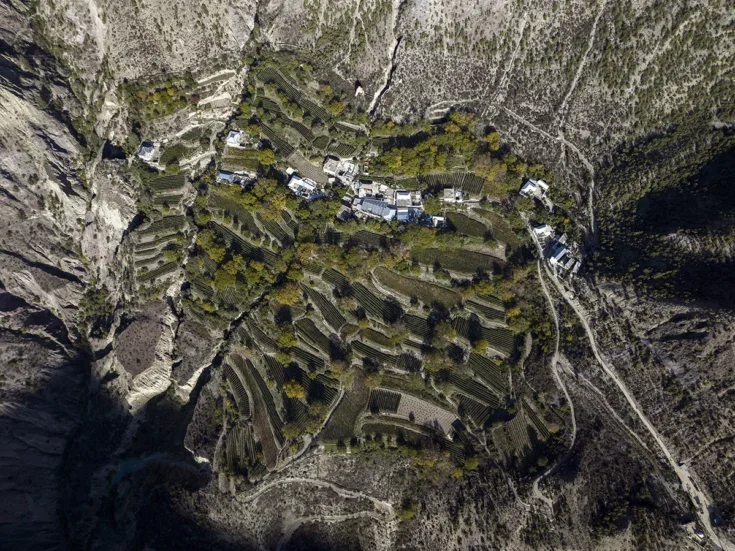

When it comes to reds, Šolta is unique. The indigenous variety Dobričić is rarely found outside the island’s handful of producers. Most wine-savvy Croatians have never heard of it
—all the more surprising given its role as a parent, alongside Tribidrag (aka Primitivo/Zinfandel), of Croatia’s now-flagship red variety Plavac Mali. Dobričić is naturally low in sugars and acidity yet high in tannin, yielding wines of intense structure and impressive length, often fleshed out by a blended component of Croatian or international varieties. Until fairly recently, the wine was made in the traditional, pre-industrial ways of the island’s past few hundred years: very late-picked grapes, warm ferments, and ten days’ maceration on thick skins, with frequent, extractive pump-overs and punch-downs. The output was an intensely tannic, overpowering base wine—undrinkable when undiluted, by most accounts.
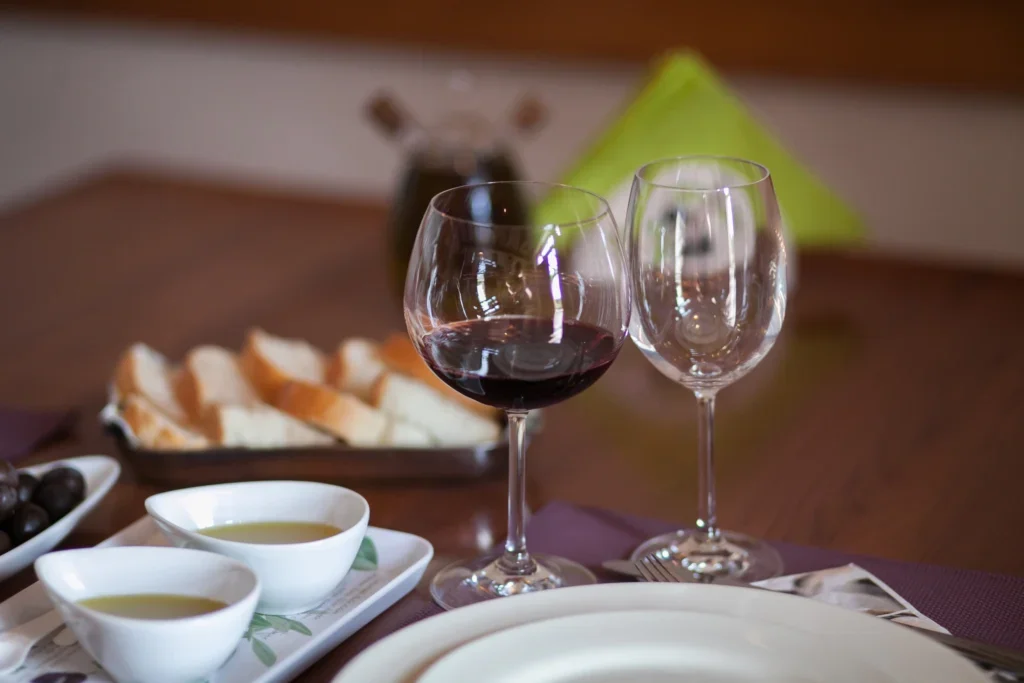
“In those days, poor farmers here could mix Dobričić 50/50 with water, and still have good quality,” says Bruna Balić, from Vinarija Balić. Not only would equal parts water result in a more palatable yet still full-bodied and tannic table wine; it was also a welcome boost in profits for the island’s producers. This ultimately led to increased vineyard area and significant local exports; in the early parts of the 20th century, Dobričić plantings on Šolta had reached 8 million vines, and their wine was drunk as the preferred choice throughout Dalmatia.
In the wake of the Industrial Revolution, large numbers of the island’s workers migrated to the mainland looking for factory work, deserting their vineyards. Phylloxera and world wars led to further abandonment, with Šolta’s plantings dwindling to just 250,000 vines. Nowadays, production takes a more modern approach: stainless-steel tanks, temperature-controlled ferments, aging in barriques. But by no means is winemaking here on a commercial scale—wineries are mostly garage-style, located where the families live, in beautiful cellars constructed from locally abundant limestone. Macerations have, thankfully, also been reduced, with five to seven days now the norm.
Content from our partners

Keeping the heritage variety alive
Vicko is the island’s biggest champion of Dobričić. Although his family has been growing the variety for generations, the motivation to focus on premium production and unlock the variety’s potential came thanks to a visit from UC Davis researchers to the island in the early 2000s. Having confirmed Dobričić’s lineage as the father of Plavac Mali, the visitors impressed on Vicko how crucial it was to keep this heritage variety alive. Vicko duly obliged, refining his winemaking and even publishing a book on Dobričić (available for purchase at his family winery—in Croatian only, alas).
The winery is situated within the island’s southeastern village of Gornje Selo. The grapes come from two sites—one on fertile, higher-yielding soils to the north of the village; the other on poor, rocky limestone in the small hills to the south. The winemaking setup is basic: a small crusher, a few small stainless-steel fermentation tanks, a handful of Slavonian oak barrels, and a tiny cellar for aging the bottles, all nestled into three small rooms within the family’s stunningly rustic home farm. Vicko’s Dobričić spends six to seven days fermenting on skins, at 77°F (25˚C), with daily pump-overs.
The 2023 is a serious wine, with a saline freshness centered around powerful yet fine tannins. In the wine world, we tend to think of freshness deriving mainly from acidity; yet with Dobričić’s naturally low acid levels, this wine is evidence that vibrancy can be provided otherwise. In this case, its freshness is derived from the tannins, simultaneously both mouthwatering and mouth-drying—a quality that is seemingly inherent in both red and white wines from limestone soils. The textural quality of the tannins cannot be understated, noticeably present yet never outstaying their welcome, like an elephant’s footprint on wet sand. Tasting this alongside the previous vintage—a hotter, drier 2022—hints that the tannin structure, and therefore the dominant character of the wine, varies considerably with vintage. The tannins in the 2022 are still powdery and fine, but here they dominate the palate, brashly pushing aside the sun-kissed, balsamic fruit. Vicko’s winemaking doesn’t change much vintage to vintage, which serves to highlight the variations that nature provides.
Vicko also makes a red blend from Dobričić, Tribidrag, and Plavac Mali. A family get-together, of sorts. Unlike personal experiences of family reunions, this one is a congenial, relaxed affair. The fruit takes center stage, with a precise, plum-jam character from start to finish, sprayed with sea mist and a blood-iron tang. The tannins are still present, fine, powdery, but pushing the fruit forward rather than stealing the limelight. An interesting insight into how Dobričić can be used in a blend, with a crude comparison to be made with Langhe Rosso: Nebbiolo/Dobričić, Dolcetto/Tribidrag, Barbera/Plavac Mali.
A precious but precarious renaissance
Kaštelanac may be the island’s most storied winery, but tasting Dobričić from the small sample size of other producers reveals a similar pattern. Bruna Balić, possibly Šolta’s only ever female winemaker, makes wine out of her family’s picture-perfect, heritage-listed family winery in the tiny village of Srednje Selo. Bruna’s father and brother tend the organically grown vines, while she looks after winemaking. In line with most fine-wine regions (but contrary to the norm on Šolta), the Balić family recognizes the superior quality of grapes grown on the south-facing limestone outcrops to the north of the village. Bruna’s father, Karlo, increased hillside plantings as recently as 2018, a costly affair, necessitating stone-crushing machinery to break up the mammoth limestone boulders, but worthwhile in their continuing pursuit of higher quality. These vineyards are exposed to the warmer, humid Jugo prevailing wind (as opposed to the dry, cold Bura wind from the north), bringing the essence of the Adriatic Sea to the island’s southerly-facing hills. There is a noticeably saline streak to Bruna’s wines, reminding of the sea, both past and present. Her 2021 Dobričić carries an oystershell, maritime tide throughout, adding spicy perfume, damson plums, fresh figs, walnut. The family settled on American oak barrels, favoring the sweet additions of cinnamon and vanilla as counterparts to Dobričić’s savory fruit and burly tannins.
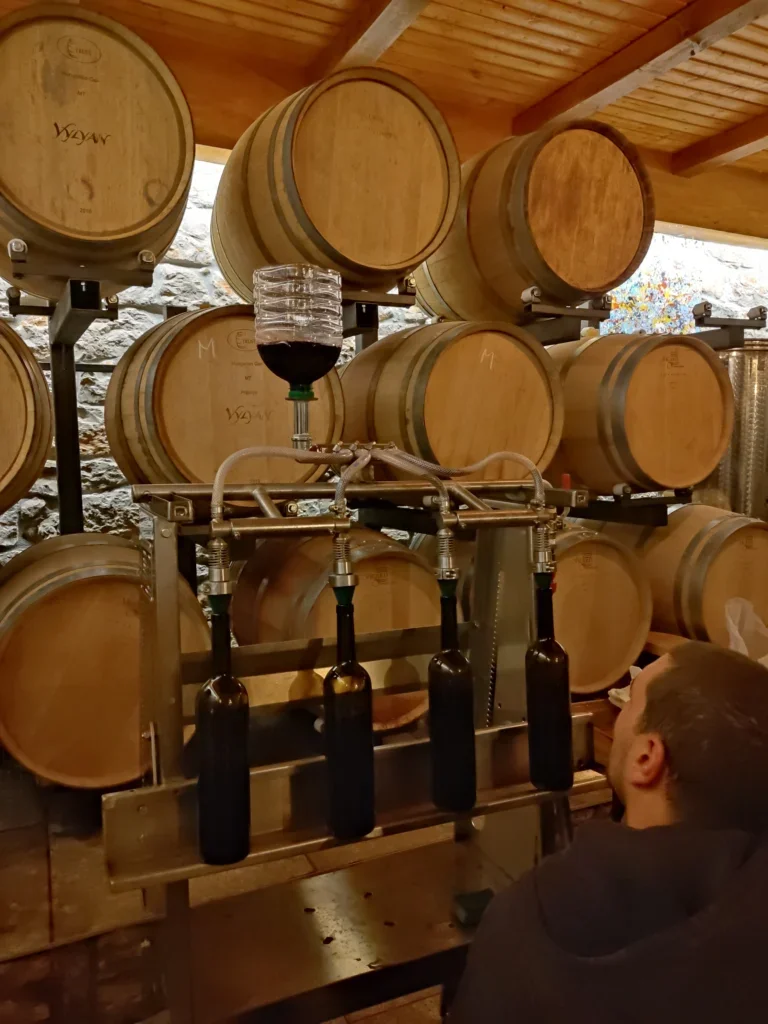
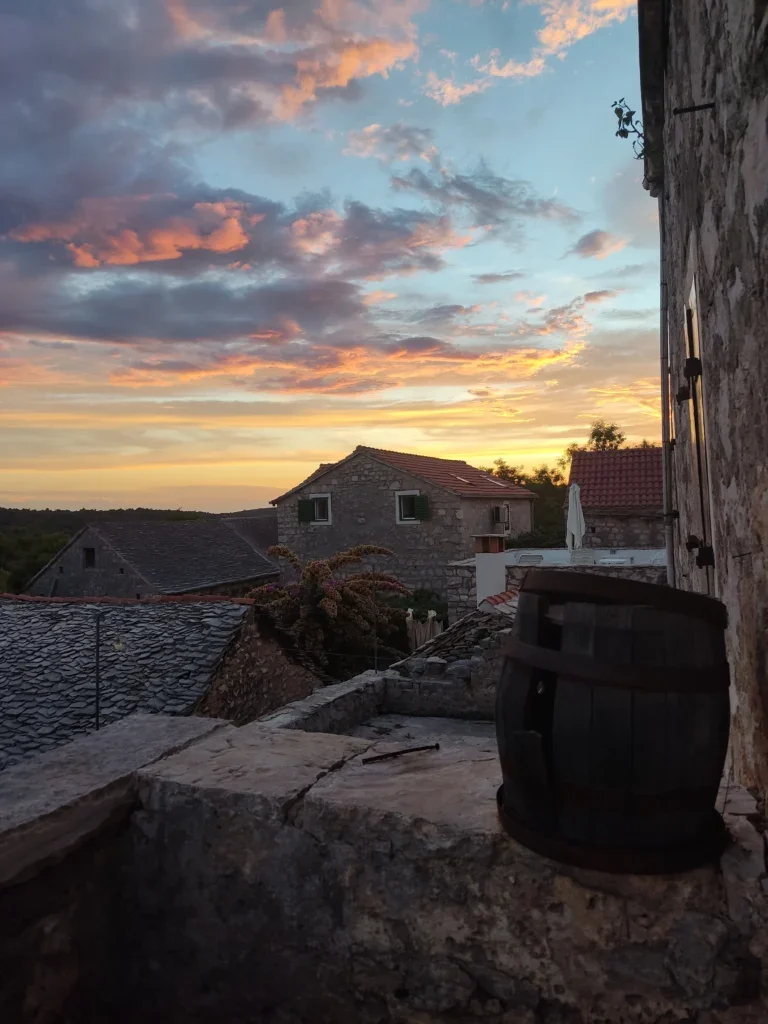
A 60ft (20m) stone’s throw away lies Marinac. Anton is the latest generation to continue the work of his great-grandfather Marin, who founded the winery at the beginning of the 20th century. Production consists of Dobričić, Pošip, and extra-virgin olive oil from Šolta’s world-renowned, indigenous olive cultivars. Anton has slowly modernized winemaking, with maceration times reduced from ten days to six in recent vintages. His 2022 Dobričić was made under the previous ten-day regimen, resulting in an all-encompassing, intense tannin structure. There’s a meatiness here, with some heady perfume whispering in the background. Time may coax more out of this introspective, tightly wound wine, but increased maceration in such an intensely tannic vintage means this is best suited to hearty winter food.
On reflection, the importance of Dobričić cannot be questioned, both historically and as a high-quality source of structured red wine. It is, however, tricky to draw any further conclusions from so few available examples. The smattering of producers on Šolta currently follow relatively similar grape-growing, picking, and winemaking procedures, which further compounds the trickiness. What would the wines look like with lighter, infusion-style winemaking? With larger format oak aging? Or aging in alternative vessels, such as concrete or amphora?
I did get a tantalizing glimpse. When tasting Vicko’s wines, he offhandedly mentioned that he vinifies a batch of early-picked “family wine” for his own consumption, with less maceration and no oak aging. He begrudgingly allowed me to taste his nascent 2025, almost embarrassed to be showing a wine that he said “isn’t good enough to be bottled.” The wine was delicious. It left me in no doubt that Dobričić trades fruit for terroir identity, with the salinity I had tasted in oak-aged versions pushed to the forefront, carried by a lifted violet character. I assumed the earlier picking would impart a green harshness on the tannins; not at all. They were laser-focused, precise, graceful—not as broad and muscular as their later-picked brothers. With the variety on the verge of extinction until its mini-resurgence in the early 2000s, I feel the door of possibility and potential is still only slightly ajar. It remains for visionary wine growers and curious minds to push the door open and discover the scope of Šolta’s best-kept secret.


