


Anne Krebiehl MW reviews Champagne Bollinger PN TX 20.
When Champagne Bollinger released the debut edition of its PN series from the 2015 vintage in 2020, it was the first new addition to the portfolio in over a decade. It joined the famous Vieilles Vignes Françaises as the only other blanc de noirs in the range. Moreover, it channeled the very spirit of innovation and daring of Lily Bollinger herself, with a focus on the house’s clear strength and reputation: Pinot Noir. Its sixth iteration was launched in Paris in early June.
The diversity of Pinot Noir
Born out of a challenge that the late chef de cave Gilles Descôtes had set his team of enologists, this new cuvée was to be made each year from Pinot Noir only, with a focus on one Champagne village, supplemented by other villages and reserve wines, especially Bollinger’s famous magnums de réserve. The idea was to “show the diversity of Pinot Noir in each year,” said Descôtes’s successor, cellar master Dennis Bunner.
The sixth annual edition of this focused series hails from Tauxières and, like its predecessors, comes with the clipped, codified name of PN TX 20. It follows the first and second editions from Verzenay from 2015 and 2016, Tauxières in 2017, Aÿ in 2018, and Verzenay again in 2019.
Related
Tauxières in the spotlight
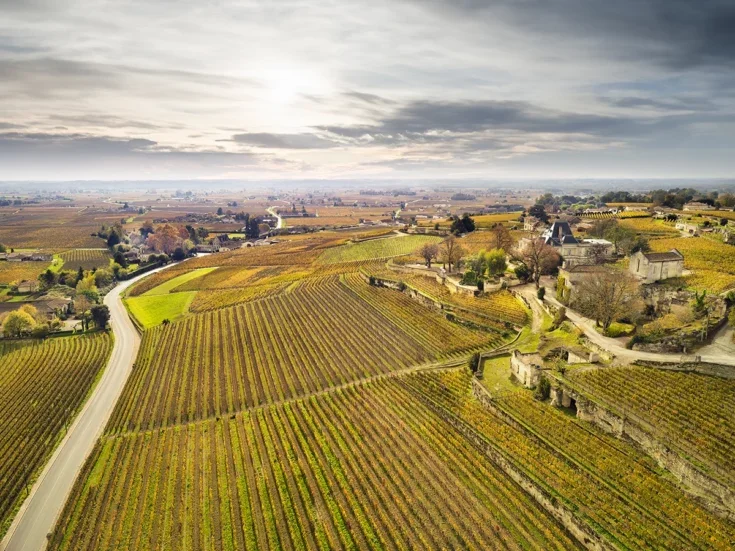
Bollinger owns 18ha (44.5 acres) of vineyards in Tauxières, a village on the Montagne de Reims. To illustrate the particularity of this village, where the northeast-facing parts are on deep chalk with thin topsoil and the southwest-facing parts on a mix of clay and flint, Bunner had brought along two separately vinified wines representing these areas, both made sparkling and disgorged without dosage. “We anticipated this event,” Bunner said modestly about this immense effort to show component parts as aged sparkling wines. The difference was clear: The golden wine from the Les Jolis parcel in the northeast was more closed but also more profound and layered than the juicy and approachable wine from the southwest-facing Vigneuls parcel, on clay and flint. Both of these elements were recognizable in the finished wine.
Secret sauce
Bunner, however, had an even more special treat in store, a freshly disgorged magnum de réserve. These reserve wines aged in magnum are the secret sauce of the house, if you will, lending creaminess and untold dimension to Bollinger’s releases. This wine, a pure, oak-fermented 2008 Pinot Noir from Aÿ, was slightly cloudy and came with a striking nose encapsulating various facets of reduction: A blast of smoke veered into toasted hazelnuts and offered charred mandarin peel one moment, scorched cedarwood the next. Its palate was all saltiness, all linearity, all poise—a visceral and most memorable wine. Its very slight mousse dissipated quickly but underlined that this is wine in the first place, only made slightly sparkling so it benefits from the reductive and protective environment of the lees that made the wine ever so slightly cloudy. Its smoky, precise presence was also excitingly evident in the finished wine.
Bollinger started the practice of keeping reserve wines in bottle as early as 1893, explained Claire Desbois-Thibault, Bollinger’s in-house archivist and historian. As of 1902, these magnums were made slightly sparkling. Bunner said that there are currently a million magnums of reserve wines in Bollinger’s cellars. Treasure, indeed. They are all from single villages and vintages, vinified in oak before tirage and then aged between seven and 15 years before being used. Bunner also emphasized that they were never fully sparkling—because he keeps being asked if he will ever release these marvels separately—but this would be impossible since they have insufficient pressure to qualify as Champagne.
Content from our partners
The sixth in the series
Having presented three key components of the new wine, Bunner noted how important the profound chalk soils had been in the hot and dry year of 2020, allowing the vines access to water from the depths. The 2020 harvest represents 48% of the blend. The main origin is Tauxières, supplemented by Aÿ and Avenay. “Aÿ has been important from the beginning,” Bunner said, referring to the home village of the house. “Here, we feel the power of Pinot Noir, while Tauxières has personality and freshness with silky texture.” The reserve magnums from 2008 and 2012 make up more than 25% of the blend. The wine spent 42 months on lees and a further six months in bottle before release. It has a dosage of 8g/l.
Tasting
Champagne Bollinger PN TX 20
Ripe and slightly smoky, juicy plum makes the first impression on the nose of this golden wine. Layers of ripe Braeburn apple and richer, rounder, mellower Red Delicious apple follow. This vivid, juicy fruitiness of red plum and red apple remains a feature on the palate, delivered against a gentle backdrop of salty shortcrust pastry. A pleasant phenolic bitterness frames the generous but poised wine that sends off notions of apple streusel and maple syrup with more air, turning this into a most gastronomic wine with aging potential. | 93


