Simon Field MW looks back at another in the remarkable series of revealing Champagne tastings masterminded by Marina Olsson, devoted to top Blanc de Blancs cuvées from the crème de la crème of the region’s small growers.
The equation, in Champagne, between large producers and bijou or prestige cuvées has had an irresistible commercial allure over the years, with doms Pérignon and Ruinart lending their posthumous names to two of the most popular examples. It is illogical, of course, to offer the behemoth of a monopoly in such a refined corner of the market; far more sensible and satisfying, surely, is to heed the call of site-driven terroir and to exploit the recent rise of the small independent growers, the récoltants-manipulants, to unearth the smallest and purest gemstones.
So, to Stockholm and the latest of Marina Olsson’s fascinating tastings, on December 7, 2024, this one devoted to prestige wines made by the crème de la crème of these small growers, in this instance all Blanc de Blancs . There were six flights of Champagne, as usual tasted semi-blind by a group of collectors and journalists, with a mission statement devoted not only to unearthing the very best of this highly prestigious category but also to identifying, should there be any, stylistic patterns in this, the most obviously “Burgundian” corner of the market.
The wines are all, de facto, relatively rare, with some, such as the Fleur de Passion from Diebolt-Vallois, less well known in anglophone markets. Others, such as the two braces from Larmandier-Bernier and Jacquesson, are far more familiar. Most are site-specific, and that site can be extremely small, such as the 0.3ha (0.75 acre) of Agrapart’s Vénus in Avize or Ulysse Collin’s 0.6ha (1.5 acres) for Les Roises, located deep to the south of the Côte des Blancs in the village of Cogny. There were also several clos (walled-vineyard) wines, including the picturesque Clos Cazals in Oger and the alliterative Clos des Trois Clochers, located in the lesser-known Montagne de Reims village of Villers-Allerand. This is but one example where the village in question is less familiar, not necessarily of grand or even premier cru status, though there were also plenty of examples from the great grand cru villages, with Cramant and Avize to the fore, but also well-established premier cru sites. One only has to look at Dizy (Jacquesson and Marc Hébrart) and Vertus (Duval-Leroy) to recall just how high some villages are on the échelle des crus without having made it to grand cru status. The most famous example of them all is the village of Le Mareuil-sur-Aÿ, which, alas, did not have a representative at our tasting!
Related
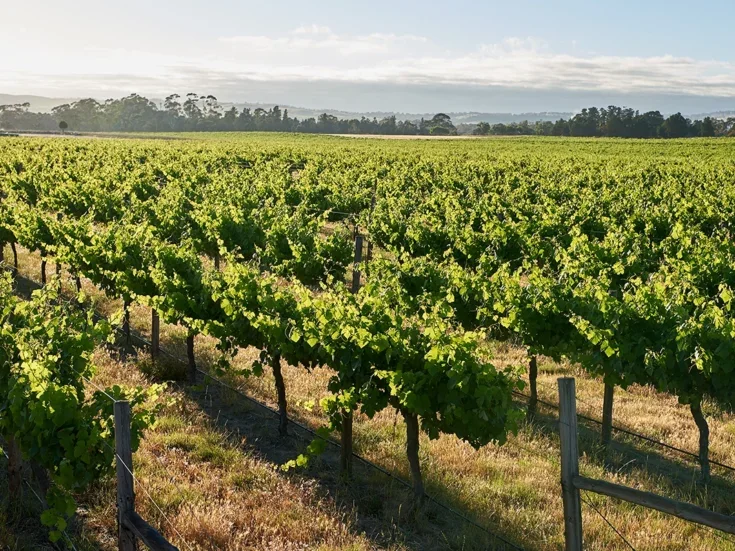
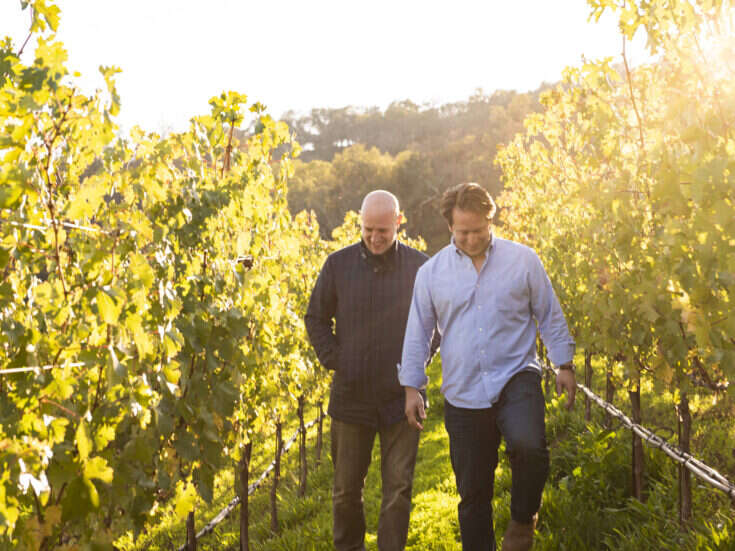

There was much to enjoy, however, and much (liquid) food for thought. Is there a precedence of site-specific style over village identity, or does the grower trump it all with the alchemy of his or her winemaking? There are opposing voices, after all; there is widespread use of wood for fermentation and pre-tirage aging, for example, some of it with generous lees-stirring, this perhaps favoring the winemaking side of the ledger. On the other hand, there is a tendency to favor low dosage (Jacquesson’s Champ Cain at 1.5g/l is an archetype) and also, in the name of purity of fruit, to avoid the malolactic fermentation. This we perceive clearly in the excellent quartet from Diebolt-Vallois. If one adds vintage variation, as one should do, given that most of these wines are vintage-dated, then the catalog of variables starts to increase in volume, possibly hindering the path to clarity. Overall, there are several examples where the traditional vintage hierarchy seems challenged by the flight in question; the higher marks offered to the Fleur de Passion from 2006 and 2013, in preference to the 2002 and 2012, is but one fascinating illustration.
It’s quite difficult, then, to match expectations with outcomes… which is as it should be. If all the best wines had come from grand cru sites in the most celebrated years, then that would have been fine if somewhat predictable. The fact that one can now add villages such as Vert-Toulon and producers such as Marc Hébrart to the taxonomy of excellence is exciting indeed and a worthy conclusion to this pleasingly challenging tasting. Many of the names on display have already earned a degree of familiarity (more than a mere degree in the case of Selosse), which shows that great progress has already been made. Many thanks, once again, to Marina Olsson for assembling such an instructive lineup.

Tasting Vigneron Prestige Blanc de Blancs
Flight 1: CLAUDE CAZALS Clos Cazals
Content from our partners
After Pompadour, Cazals is the second-oldest clos in Champagne. It came into current owner Delphine’s family in 1947, thanks to her grandfather, Olivier Cazals, who had bought this supremely beautiful 3.7ha (9-acre) plot, located behind the church in Oger, from Léon Bourgeois, the former prime minister of France and a Nobel Peace laureate, no less. All the more reason to celebrate this great vineyard in Stockholm.
2012 Claude Cazals Clos Cazals VV
Richly colored, with a generous nose of guava, mango, and a hint of vanillin to betray the 10% of oak. The gently milky texture also reveals that there has been a full malolactic conversion. Tightly wound, for all that, with a tapered yet persuasive grand cru finish. | 92
2013 Claude Cazals Clos Cazals VV
More marked acidity here, child of a late-ripening cycle and, after delayed budding and flowering, a “classic” season, recalling earlier, less indulgent styles. So it is here: a modest, soft gold, an elegant mousse, and then juxtaposed hedgerow and softly savory flavors, almond and quince to the fore, a little soft hazelnut behind. Less powerful than the 2012, but more “complete.” | 93
2008 Claude Cazals Clos Cazals VV
All the best features of the 2012 and the 2013 beautifully entwined, from the rich color and persistent mousse, all the way through to the long nutty finish. Plenty of steely Oger fruit, plenty of mid-palate power, with savory notes effortlessly assuming control from the primary fruit, vestigial exoticism teasing the palate and magnifying the pleasure. | 95
2004 Claude Cazals Clos Cazals VV
2004 was a large crop, with Chardonnay always the favored variety. Although the 2004 lacks a little in intensity when compared to the 2008 (which wine would not?), it is now showing extremely well, a textbook example of a grand cru blanc de blancs at the end of its second decade. Pewter color, with a modest mousse and quietly persuasive aromatic of acacia, laurel, and orchard fruit, behind that mandarin (often an Oger calling card), nougat, and white chocolate. The acidity is balanced, holding the line of beauty. | 94
Flight 2: Duval-Leroy Clos des Bouveries
Clos des Bouveries is an east-facing premier cru site on the hillside outside the village of Vertus. Carol Duval-Leroy and her three sons make this cuvée every year, presenting it as an archetypical example of the effects of climate change in this southern enclave. The vineyard is farmed organically and was first bottled separately in 2002. The two older wines here have been fermented in used barrels, their younger siblings half and half in barrel and tank. The dosage is low in all four, ranging from 6g/l in the 2002, down to 2g/l in the 2006. The trend is certainly downward. The quartet, as the scores will reveal, disappointed on the day. The wine has a very good reputation, however, so your correspondent is keen to give it another try…
2002 Duval-Leroy Clos des Bouveries
Acetic with a distinct nose of soot and Elastoplast. Minimal vestigial fruit and minimal enjoyment, alas. | 85
2005 Duval-Leroy Clos des Bouveries
Burnished bronze, betraying evolution, crystallized fruit aromas doused in peat, almond essence, and quince. Evolved and possibly gastronomically inclined, the indulgent legacy of a warm year is now starting, slowly but surely, to ground aspiration. | 88
2007 Duval-Leroy Clos des Bouveries
Somewhat enigmatic, this one, marked by a soft silvery color and a recalcitrant bead. Despite the warmth of the mid-season, it is the acidity that dominates the structure, its fruit profile lean and discrete. The stone-fruit character is thus subdued, the rapier acidity hectoring. | 87
2006 Duval-Leroy Clos des Bouveries
The best wine of the quartet, admittedly no great feat. Evolved green-gold, with a modest persistence of bubble. Quince, Brazil nut, and late-season apples on the nose; more savory thereafter, broadly textured on the palate, maybe a little short. Fully resolved. | 90
Flight 3: Diebolt-Vallois Fleur de Passion Grand Cru Cramant
Isabelle Diebolt, representing the third generation, is present at the tasting and describes the steep slopes of her prized grand cru holding in Cramant, part of an 11ha (27-acre) estate, which also plants vines in Cuis and Chouilly. The key Cramant plot, one of seven, is called Les Buzons and yields fruit that is both powerful and elegant, with maybe more staying power than one normally associates with this most delicate of styles. Barrel-fermentation plays its part, of course, as does the avoidance of a malolactic fermentation to ensure that the modest (technically) level of acidity is preserved and enhanced. The Fleur is only released in the best years; there was no release from ’01, ’03, ’11, or ’21, for example. Isabelle is particularly proud of her 2013—a judgment with which we are more than happy to concur.
2002 Diebolt-Vallois Fleur de Passion
Rich gold color, and a comfortable aromatic of crab apple, mirabelle plum, and verbena, with hints of sour honey. I suspect that it is not 100% clean, but there is no second bottle, and the overall impression is so positive that the mark earned is a high one. There is power on the finish, too. | 92
2012 Diebolt-Vallois Fleur de Passion
Clean and pure on the nose: white flowers, sourdough, and even a hint of red fruit—not unprecedented but not that usual either in a blanc de blancs. No passion fruit, however, despite the trigger of nomenclature. Fine balancing acidity, an elegant yet powerful core, with white chocolate and soft spice both lending eloquent support. | 94
2006 Diebolt-Vallois Fleur de Passion
Good golden yellow color, with a lively mousse, but then a more reticent nose, dominated by nectarine and peach. The palate is discreet, yes, but also layered and complex, surprisingly refreshing for the child of a warm vintage of this age, and beautifully tapered on the impressive finish. | 95
2013 Diebolt-Vallois Fleur de Passion
Modest of hue, but very detailed on the nose: baking powder, nutmeg, and a hint of jasmine. There is hazelnut and vanillin on the palate, too, a depth to provide counterpoint to the acidity that characterizes this most classic of vintages. A hint of white tobacco on the finish; more flinty than smoky in fairness, but very satisfying as it glides into its second age. Delightful! | 96
Flight 4: Mixed Bag 1
2014 Marc Hébrart Clos de Léon Dizy
From a south-facing, early-ripening walled vineyard in Dizy, densely planted in 2000 and now yielding some of the best Chardonnay north of Epernay—the stuff of dreams. Seven months on lees with bâtonnage, all fermented in oak. Mealy, rich, textured, and yet with a glorious fruit basket of flavor and a pure, flinty finish. There has been no malolactic fermentation. | 93
2014 Leclerc Briant Le Clos des Trois Clochers Villers-Allerand Premier Cru
Rescued commercially by American money and qualitatively by pioneering and ongoing work in biodynamics, Leclerc Briant farms this single 0.3ha (0.75-acre) plot in the northerly village of Villers-Allerand, a premier cru. The combination of nine months on wood, zero dosage, and a damp vintage has yielded a dense, rather reticent wine, with notes of petrichor and sour honey in addition to a finely tapered, citric core. A little abrupt on the finish but still undoubtedly with more to give. | 93
2016 Bonnaire Terres des Buissons Grand Cru Cramant
Deep, chalky, grand cru soil, in the lee of the hill of Saran, with 40-year-old vines, late-harvested and treated to oak barrels and a malolactic fermentation. The 2016 is the first release of this cuvée, and it has been dosed at 1.5g/l. It is creamy, generous, and with a lively flow of bubbles, plenty of mid-palate fruit (agrume sits comfortably with plum and even a touch of mango); also intimations of buttered toast and spring flowers. Truffle oil and almonds, too. Approachable and profound at the same time. | 94
2016 Agrapart Vénus Grand Cru Avize
Disgorged in 2022, the 2016 Vénus, though demonstrably youthful—from the precocity of the mousse, to the primary citric weave—is nonetheless very complete and harmonious. Named for the horse that tills its soils, rather than the Roman goddess of love, Vénus is a flagship wine, farmed entirely naturally and sourced from a 0.3ha (0.75-acre) lieu-dit in Avize called La Fosse, which was planted in 1959. Nothing sunken or brackish about the wine, however, which boasts crystalline purity, soft fruit at its core, and a resonant, allusive, terroir-driven finish. | 95
Flight 5: Mixed Bag 2
2004 Jacquesson Champ Cain
Grand Cru Avize
Now owned by the French billionaire François Pinault, Jacquesson has long been ahead of, or at, the head of the game. This south-facing, bottom-of-slope Avize plot is geologically complex, with clay and sand astride the chalk. Eight months of aging, lees-stirring, and a full MLF have done their work. A mid-gold color, with gentle bubbles and evocative aromatics recalling tarte tatin, cinnamon, and plump nectarine. The palate is deftly structured, its 1.5g of sugar lightly worn, its vinous stone-fruit finish underlining the felicitous passage of evolution. | 94
2009 Jacquesson Corne Bautray Premier Cru Dizy
A similar vinification to the Champ Cain, thereafter much difference. A top-of-the-slope Dizy site, southwest-facing; clay and alluvial silt filled with millstone grit gravel on Campanian chalk. An August harvest in 2009 but disgorged only in 2024, without further sugar addition. Still steely and tight, sourdough and crystallized lemon, quince, and a hint of sour honey, the warmth of the vintage still framed by an imposing structure. More time? | 92
2014 Larmandier-Bernier Vieille Vigne du Levant Grand Cru Cramant
The vines are between 60 and 80 years of age; their fruit has been treated to indigenous yeast and Stockinger barrels. Pierre and Sophie have earned and maintained an excellent reputation, built on solid biodynamic foundations. This wonderful 2014 showcases their skills as they deftly coax fruit, texture, and profundity from a vintage that they describe, somewhat euphemistically, as a “mix of sun and rain.” Lovely gold glints and a refreshing nose of chamomile and orchard fruit, then a generous, softly confident texture and a gentle crescendo for a finish. | 93
2016 Larmandier-Bernier Les Chemins d’Avize Grand Cru Avize
From two small vineyards in Avize: Chemin de Plivot and Chemin de Flavigny. All roads lead to Avize. Or some of them at least. This is more delicate than expected, its biodynamic signature lightly worn, its oak élevage almost invisible. Enigmatic, therefore, with only the steely length betraying the innate quality that is sure to reveal more. The dosage is 2g/l. | 93
NV Ulysse Collin Les Pierrières Lot 280 13/1
Distinctive black slate silex soil in the village of Vert-Toulon, adjacent to the family seat in Congy in the south of the Côte des Blancs. 40% of the wine comes from a base of 2013, and it has been vinified with natural yeasts in Burgundian barrels. This bottle was disgorged in March 2017 with a dosage of 2.5g/l. Burnished gold with a restrained mousse, then a magnificent vinous complexity, yellow fruit, agrume, patisserie, and spice all evidenced, all happily conjoined under the ebullient guise of a fine Champagne but with the noble instincts of an equally fine white Burgundy. | 96
NV Ulysse Collin Les Roises Lot 698 14/1
Les Roises is a 0.62ha (1.5-acre) vineyard in the village of Congy itself, its vines more than 60 years old. Fermented spontaneously in Burgundy barrels, with its reserve wines (60% again, the base year 2014 this time) stored in foudre. A pleasing aromatic of lemon posset and spring flowers, Viennese patisserie by way of a backdrop. Maybe there is a fragrant boulangerie in Congy. Vinous and layered, once again, its mousse soft but not without a teasing precursor to the contemplative flavors upstream. Stone fruit with a gentle honeyed grip, but no lack of steely resolve on the finish. | 94
Flight 6: La Famille Selosse

NV Domaine Jacques Selosse Les Carelles Grand Cru Le Mesnil Sur Oger
Anselme has been the high priest of growers’ Champagne for well over two decades. His six single lieux-dits cuvées—three all Chardonay and three all Pinot Noir—have become totemic in the region. Les Carelles digs deep into its etymological quarry and yields a wine of purity and even a hint of astringency, its saline finish countered by notes of petrichor and gunflint on the mid-palate. Anselme describes a “Manzanilla” character, more in reference to the tangy chamomile notes and the challengingly bitter finish, rather than anything specifically oxidative—despite the élevage in oak, which leaves its own muscular imprint. Behind it all, there is steely Le Mesnil tenacity and a capacity to age. | 95
NV Domaine Jacques Selosse Chemin de Chalons Grand Cru Cramant
Yielding only 600 bottles, this steep, deep-rooting south-facing plot has relatively high clay content and is thus a little broader of texture than some examples from the village. Cramant florality remains, however, along with a charming array of fruit, which strays on occasion toward the orange grove. The vinous generosity tapers elegantly toward an elegant and poised finish. | 94
NV Domaine Jacques Selosse Les Chanteraines Grand Cru Avize
From east-facing vineyards planted in 1922 and 1929, their “split” chalk allowing the vines to dig deep and bring great complexity to the wine. There is a raw immediacy here, a directness that is almost Chablisienne and a steely purity on the finish that challenges recourse to flowery poetic description. Cerebral for sure, limbering up… | 93
NV Guillaume Selosse Au dessus du Gros Mont Grand Cru Cramant
Gifted to Guillaume by his grandmother on his 18th birthday, a putative workshop for the next generation. Sixty-year-old vines with varying aspects, located, as the name suggests, in the wake of the hill, this is promising indeed. The promise is hitherto wrapped in the grip of aspirational winemaking, but the creamy texture and long, bittersweet finish both signal potential. The base year is 2016, and the reserve wine is kept in a perpetual reserve (started in 2008) in 400-liter barrels. | 93