PULIGNY-MONTRACHET
DOMAINE DES CABOTTES
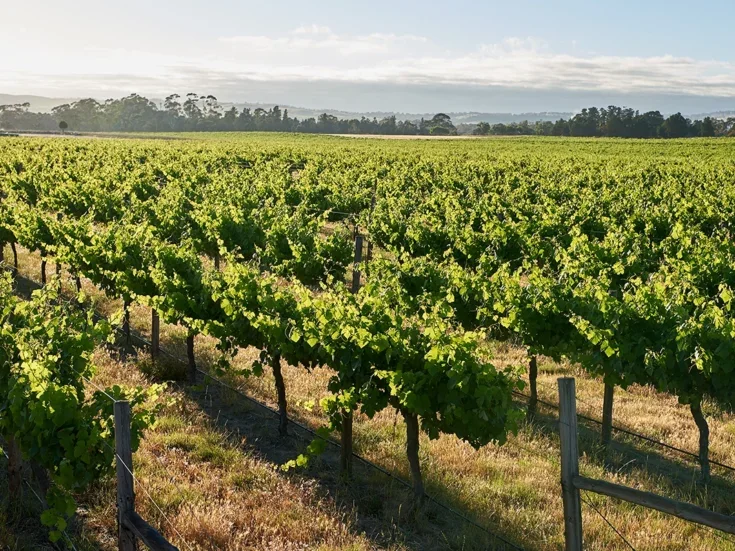
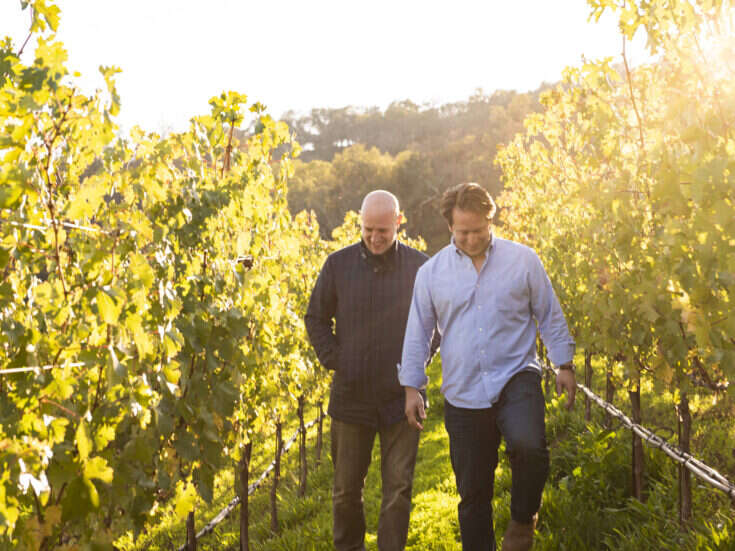
Following the merger in 2022 of Artémis Domaines and Bouchard Père & Fils, jointly owned by the families of Pinault and Henriot-Larouzière, the cream of Bouchard’s cuvées will be grouped in new entity Domaine des Cabottes and labeled as such from the 2023 vintage, which will be released in 2026. The wines are destined (possibly from the 2027 vintage) to be vinified and matured in a winery currently under construction in the grounds of Château de Puligny-Montrachet. Domaines Bouchard Père & Fils and des Cabottes will be managed autonomously, with dedicated winemaking teams. Domaine des Cabottes will be headed up by Frédéric Weber.
White
Related

*Meursault Premier Cru Les Genevrières
From vines in the Dessus subdivision, one parcel lower on the slope, one higher. Fred ferments them separately and decides at which point during the aging to blend them. Surprisingly rich honeysuckle aroma, with a touch of oak showing now. Juicy strike and creamy up-front, but across the palate it becomes refined and straight, pure and delicate, with light floral notes and a sprinkle of salt. Delicate but persistent finish. 2028–34. 94–95
Meursault Premier Cru Les Perrières
Content from our partners
From 1.3ha (3.2 acres) in the Dessous subdivision, with deep topsoil and rocks on the surface, just above Clos des Perrières. Just three barrels in 2024. Savory and tense. Channeled and focused. Good intensity. Races. Long, salty finish. Complex. 2028–32. 94–95
Corton-Charlemagne Grand Cru
From Le Corton, where there is yellow marl and a bedrock of limestone. The vines are east-facing and late-ripening, as they lose the evening sun and catch the north wind. One upside in 2024 was that there were fewer probelms here with disease, but 30% of the crop was still lost. Surprisingly fruity, with a cool and slim line. Lemon up-front and a fine line of sea salt beneath. It has charm and a floral note on the nicely persistent finish. Delicate and fragrant in 2024. 2028–34. 95
Chevalier-Montrachet Grand Cru
Streamlined and energetic. This has keen focus and a cold, shivery feel, streamed with oyster-shell, mineral freshness. It’s a lighter, slimmer feel than there is to the Cabotte cuvée. Persistent, sharp finish. 2029–40. 96
*Chevalier-Montrachet Grand Cru La Cabotte
From a small, 0.2ha (0.5-acre) strip above Le Montrachet. Slightly and nicely reductive. Super-focused and intense. Channeled power. This has depth and intensity. Pithy and salty, strong finish. Leans more toward Montrachet than Chevalier in style and intensity. 2029–40. 97–98
*Montrachet Grand Cru
Knuckled down. Not a showy Montrachet, but concise and compact, super-reserved and saline, and so very long, but super-discreet. 2030–40. 98
Red
Beaune Premier Cru Clos de La Mousse
From a flat 3.3ha (8.2-acre) monopole (though it took 50 years to purchase the whole climat). Clay-rich soil and later ripening. Upright aroma with a hint of mint. The palate is fresh, with crunchy tannin and attractive fresh tarragon. It seems very light and delicate, yet Frédéric says it has great capacity to age: “We have bottles from the 19th century.” It is the premier cru cuvée that Frédéric feels he has improved the most. 2028–34+. 92
*Beaune Premier Cru Grèves Vigne de L’Enfant Jésus
The gravely and sandy soil of this famous parcel drains well, so it suffered less from disease in 2024. It is relatively easy to plow the soil here, but Frédéric explained that in 2024 he decided to keep the grass. A complex, powerful, spicy, orange-oil and oregano nose. Silky texture—this ripples on the palate—but there is a firm core, and this extends to a lovely, persistent finish. 2029–42. 95
*Volnay Premier Cru Caillerets Ancienne Cuvée Carnot
From 3ha (7.5 acres) of vines in limestone-rich soil. Red plums on the nose. Succulent and generous on the attack, really juicy and expressive up-front, but it refines across the palate to become focused and streamlined and then salty to finish. Such silky tannins. 2030–45. 95–96
Le Corton Grand Cru
From the east face of the great Hill, toward the top, at around 280m (920ft), where there is only a little red clay over the limestone (there was once a quarry here). Attractive, minty, garden herb aroma. A delicate, bright, and refined Corton. Ripe red fruit, crisp tannins, neatly defined, stretching out elegantly onto the sapid finish. 2030–40. 95
DOMAINE JEAN CHARTRON
I got just a glimpse of the wines this vintage, as the samples were taken from just one second-fill barrel, rather than being the usual representative blend, as Jean-Michel Chartron was held up in a meeting with the BIVB. His very helpful Italian intern took samples from the barrel until he joined us toward the end of the tasting. “It was a more classic vintage,” recalls Jean-Michel. “I do my best to be organic, but I didn’t gamble in 2024. I did one poudrage (dusting) with sulfur just after the flowering, to make sure the caps closed, and two systemic sprays, 14–15 sprays in total. In some places, it was necessary to do the treatments by hand.” He started harvesting mid-September, with Chardonnay for crémant, then from the 17th for St-Aubin, finishing in the Hautes-Côtes on the 25th.
“I always chaptalize at the end of the fermentation in two or three stages, in order to get another two days of fermentation, and this way I get a better integration with the barrels.” Final alcohol levels were 13.5% for premiers crus and 14% for grands crus. Chardonnay cropped at 44hl/ha, but Pinot Noir at less than half that.
“The lees were not too bad, as there was not too much mildew and no oidium—but we always like the settling to be quite clean and do this at 10–12ºC [50–54ºF].” Sometimes Jean-Michel inoculates with yeast, but not always. The key point for him is not to move the wine much.
He describes the 2024 vintage this way: “Fresh and clean, with a good energy. A little like 2014, which at the time, was not a crazy vintage, and now it’s one of the best. Maybe the 2024 has a little less flesh. We will have to wait, as it is a fresh vintage, with good acidity. We use Diam closures, so we can age the wines with confidence, but under Diam they will close down for sure.”
White
Rully Montmorin
Pretty citrus fruits with a fresh squeeze of acidity. Simple, slim, and bright. 2026–28. 85–86
St-Aubin Premier Cru Les Murgers des Dents du Chien
Super-juicy, bright, light, and straight palate. Just nicely ripe lemon fruit. Light citrus bite to finish. It’s crisp, attractive, and dances on the palate. 2027–33. 88
Chassagne-Montrachet Les Benoîtes
One quarter of this cuvée comes from young-vine fruit from Caillerets, which was replanted in 2017. I tried samples with and without, and the young-vine Caillerets really adds to the body, richness, and length. Clementine fruit on the nicely rounded palate, which is underpinned by sweet acidity and underscored with chalkiness. 2027–32. 90
Puligny-Montrachet
Straight, light, well-edged, with good tension, this fizzles with light salinity to finish. Racy. 2027–32. 89–90
*Puligny-Montrachet Premier Cru Clos du Cailleret
Strikes the palate assertively. Punchy and intense. There’s density and layering. Powerful, savory, salty finish. 2029–35+. 96
*Puligny-Montrachet Premier Cru Clos de la Pucelle Monopole
Immediate depth and generosity to this Pucelle, which is creamy and perfumed. Woven with a fresh and bright line of acidity, the ribbon of fruit carries to a fragrant and well-sustained finish. Captivating. 2028–35+. 95–96
Puligny-Montrachet Premier Cru Les Folatières
I like the Boutes barrel. A firm grip on the palate, this is sapid and fresh, with a slippery, graphite undertow; decent intensity. It pushes through with some tension on the finish. 2028–34. 93–94
*Chevalier-Montrachet Grand Cru Clos des Chevaliers
Channeled and slicing, this is shivery with cold minerals. Focused, streamlined, and compact, with a deliciously persistent and sapid finish. 2029–35+. 96–97
Montrachet Grand Cru
There is just one three-year-old Chassin barrel in 2024. Deep and generous mid-palate, with a lime-candy sweetness and sharp-citrus acidity. Maybe lacks a bit of grand cru presence for now; a quiet period, but early days, and it stretches out into a persistent finish. 2030–35+. 95–96
Red
Bourgogne Clos de La Combe
Juicy redcurrant fruit and crisp, crunchy tannins. Pretty and fruity. Very drinkable. 2026–28. 83–84
Puligny-Montrachet Premier Cru Clos du Cailleret
Only one feuillette (114 liters) in 2024. Both crisp and concentrated. Juicy depth of morello-cherry fruit. The tannins have a touch of grip but are crunchy and fine-grained. Lively freshness, with plenty of cherry fruit and bitter-cherry kernel on the finish. Just delicious. 2028–34. 92–93
DOMAINE JEAN-LOUIS CHAVY
“Spring was very difficult, as it was hard to get the tractor into the vines,” recalls Paul Chavy, “although we are conventional in our viticulture, so it was easier to fight the mildew. We made 14 treatments, whereas it is usually nine or ten.” Paul found the premiers crus on the slope lost more to the poor flowering. “And since the frost in 2021, the old vines have less resistance. We have five or six bunches per vine in the premiers crus.” Generally, they avoided oidium because of the systemic sprays and had mildew just at the top of the canopy, not on the grapes. “We have a high canopy, up to 1.35m [4.5ft], as high as we can go and still work with the tractor, to keep the leaves for more protection of the fruit.” There is no sorting table, “but for whites we have an older, experienced person in the vineyard who oversees the sorting.”
Paul compares 2024 with 2021. “The pH was a little higher than in 2021 [pH 3.15–3.2 in 2021 and 3.25–3.35 in 2024] and 2024 is a little more concentrated. We chaptalized by between 0.8% and 1.2%. For Bourgogne and Puligny, we like to have 13%, and for the premiers crus, 13.5%. In 2024, we achieved naturally 11.8% and 12.5–12.7% respectively.” Harvest started on September 16 and lasted seven days. “We wait longer now, to have more ripeness than in the past, then keep more freshness by using larger barrels.” Some 70% of the wines pass through 350-liter barrels, most of the rest through 228-liter barrels, while Paul is also experimenting with some of 450 liters.
“We have the same aging for the domaine and the négociant wines: 11 months in barrel for the whites, then into tank for six months. It was only three months in tank under my father, but we use more lees now. With the hotter vintages recently, we achieve more finesse through the longer aging.”
Bourgogne Chardonnay
Mostly from vines below Puligny, but 10% from Meursault. Half of the cuvée passes through 350-liter barrels, the other half, 228-liter barrels, 5% new. Light apricot aromas. Lightly creamy palate, with fresh, citrus acidity and even a touch of minerality. Slight caraway notes. Appealing. 2026–28. 82
Puligny-Montrachet
Citrus strike to a straight and zesty palate, with a sherbet-fresh finish. 2027–30. 88
Puligny-Montrachet Les Charmes
This showed cinnamon notes, from a new barrel with a different toast, with which they are experimenting. There is more creaminess to the Charmes than the main village cuveé, with a plumper, rather Meursault, feel. 2027–32. 88
Puligny-Montrachet Premier Cru Champs-Gain
From the St-Aubin side, the fourth parcel from the border, and vines that are 38 years old. White peach and lightly spicy notes. An engaging, juicy strike and an energetic palate, with lots of fruitiness. Underscored by light, but not high, acidity. Light-bodied. Nicely woven and pleasing. 2027–33. 92–93
*Puligny-Montrachet Premier Cru Les Clavoillons
An engaging generosity, succulence, and a lightly sumptuous feel for 2024. Quite creamy. Apricot notes and softer acidity. “We always have high ripeness here and harvest it on the first day.” Maybe a touch oaky for now, but this has a long way to go. Nice intensity and the apricot shows on the finish. 2028–34. 93
*Puligny-Montrachet Premier Cru Les Folatières
A blend of fruit from one younger parcel up from Clavoillons and an older parcel above on the road to Champ Gain, where there is more calcareous soil. An upright aroma. A slim and trim, light Folatières, with a lively, sparkling line of freshness and minerality that carries to the finish. 2028–34. 93
PAUL CHAVY
Paul Chavy, who is working with his father at the family domaine, also has a négociant business. The white wines are made in the same winery and in the same way, although Paul also has reds. Among the few micro-négociants to be expanding.
Whites are purchased in juice. For reds, “My team goes to pick the parcel or I go with my cases and collect. We waited for ripeness. I like a more mature and powerful style, so I do not need to extract with punching down. I didn’t want to extract any vegetal tannins. In reds we took out about 40–50% on the sorting table.” Only pump-over for extraction. A long vatting of 25–30 days, starting with a cold-maceration of five or six days, “to keep the aroma.” All destemmed fruit. Thirteen months barrel and five in tank. No fining and just a little filtration. Reds went through 228-liter barrels. “I am experimenting with one 350-liter barrel for reds.”
Paul’s objective is “to make pleasant wines for younger drinking and to focus on the fruit.”
White
Meursault
A blend of five parcels, mainly low down, but a bit of Tillet, too. Lightly rounded and slightly plump and creamy, with just nicely balanced acidity. Peachy notes. Attractive. 2027–30. 87
*Rully
A new cuvée for 2024. Ripe citrus and floral aromas. Two 350-liter barrels, neither new. Fresh strike. Nice and energetic. Lime-citrus fruit mid-palate and a sharp and bright finish, with a touch of lime pith. 2026–29. 85
St-Romain La Perrière
Ripe, floral aroma, to a surprisingly ripe, peachy palate, heading into tropical. You can taste the south-facing exposure. It is very forthcoming and has nicely balanced acidity. 2026–29. 86
St-Aubin Premier Cru Sur Gamay
Grassy, upright aroma. Slim palate, with a razor line, but some sweeter lemon fruit and pith to finish. 2027–30. 86
Corton-Charlemagne Grand Cru
A blend of Le Charlemagne and En Charlmagne, from two suppliers. 228-liter and 350-liter barrels were used for Le Charlemagne. A slim, trim, and zesty Corton-Charlemagne, with a saline finish. I might like to see more intensity and length, but this is an elegant and refined wine. 2028–38. 93–94
Red
*Pommard
A blend from Noizons and En Bouef. Super-juicy and bright. Red fruit, with thick, but smooth tannins. Focus on the juicy fruit. Yummy. 2026–29. 86
Pommard Premier Cru Epenots
Juicy, summer-fruit aroma. Supple, soft, and flowing. Good typicité, although only modest concentration. Quite light for Epenots, but smooth and charming. 2028–32. 92
DOMAINE/MAISON OLIVIER LEFLAIVE
Solène Panigai took over from Franck Grux for the 2023 vintage, but it is really with the 2024 vintage that she has made changes. Previously at the BIVB, she worked on the technical side, collaborating with many wineries in Burgundy on projects linked with climate change and preserving acidity in wine. She remarks that the season respected the appellation hierarchy, the well-drained soils on the slope faring best, with less mildew. “We understand which are the best places. They had quality and yield.” Not certified, but working organically for the grands crus and top premiers crus.
“We had high levels of malic. For some cuvées, we blocked the MLF to maintain some malic and avoid too much lactic.” Whites had 1.5–3g/l malic, 4–5g/l tartaric, pH after MLF 3.15–3.3; reds had pH 3.45–3.5. Solène chaptalized some wines, by 0.2% to 1%, to achieve 12% for Aligoté and 12.5–13% for the premiers crus. “I wanted 13% for grands crus,” which she considers necessary for more complexity and glycerol.
“We did more bâtonnage than usual—five to seven times. We like to do it in a gentle way, to make the wines more reductive and for some autolysis. Good lees this year. When you have a lower temperature, you have very nice lees, while sunny vintages have lees which are less precise. So, we took more of them in 2024.
“We were worried about botrytis,” recalls Solène, “but we had the wind. A window September 13–23 was good for the harvest. Yields were two thirds of a normal year for whites—Bourgogne fared worst—but premiers crus were 45hl/ha and Sous Le Dos d’Âne 50hl/ha. Yields for reds were catastrophic, 10–15hl/ha, even worse than 2021. For the reds, we had only 20% of a normal crop. The big job was sorting. All the fruit was destemmed. We did one week of cold, pre-fermentation maceration, then just some pump-over, during a quick fermentation of 7–10 days. We wanted to work on the fruity aromas for the reds. I want to bring more freshness and fruitiness and less barrel impact.” She is changing coopers, moving to more Mercurey for “lighter impact, yet it still adds structure.”
Solène concludes, “It is a very nice and interesting vintage, as the wines have freshness. Not a hot and sunny vintage. 2022 can be too much. It will be very easy to drink the 2024s.”
Bourgogne Blanc Les Sétilles
From parcels around Chassagne, Puligny, and Meursault, plus a little Hautes-Côtes and 10–15% from the Chalonnais. Only 20% in tank, with a higher proportion than usual going through barrels, as Solène needed to fill them. 10% new oak. 200,000 bottles. Lightly rounded, with floral (honey-suckle) notes. Bright with lemony fruit. Very pleasant. 2026–28. 82
Montagny Premier Cru Les Vignes Sur Le Cloux
20% in tank, 16% in a one-year-old foudre of 22hl, the balance in 228-liter barrels. Juicy, citrus strike; bright, zesty, and zingy, with a mineral line. A rather more energetic Montagny. 2026–30. 84–85
Rully Premier Cru Vauvry
Light, fresh, and pure; elegant, with chalkiness. Slightly floral on the finish. Streamlined and delicate. 12.5% ABV. What’s not to like? 2026–28. 86
Meursault
A round-village blend, with fruit from the bottom to the top of the slope. Fresh and juicy. This has zesty energy and slight salinity to finish. Just lightly rounded. A somewhat more elegant Meursault than most. Only 12.8% ABV. “I like to have this style of Meursault. I don’t like it too creamy and heavy,” says Solène. 2026–30. 87
Meursault Premier Cru Porusots
Savory, dense, and square, but lively with it. Cut with lime-like, edgy acidity. Good vigor and some power at the end. 2028–34. 93
*Meursault-Blagny Premier Cru Sous Le Dos d’Âne
Straight and channeled. This has candied-lemon sweetness, combined with a steel-wire core. I like the intensity. Super-swift, to a tense finish. From larger, 350- and 400-liter barrels, “which are a good match for this terroir,” says Solène. Yup, this looks good. 2028–35. 93
Puligny-Montrachet
A blend of all the lieux-dits in the village, plus Trezin far above. Straight, piercing, and light palate. Lime fruit. Vibrant and zesty. Just a touch salty to finish. A slim and linear palate. Very Puligny. 2027–32. 87
*Puligny-Montrachet Premier Cru Pucelles
White petal, fluid and dewy fresh. Just how delightful. Silky, fine, and long—so persistent. Spot-on for typicité. 2028–35. 95
*Chevalier-Montrachet Grand Cru
Plenty of intention and intensity. Much more exciting than the Bâtard. Late malo, but promising. Powerful and pure, a straight line; singing with chalky vibrancy. 2029–36. 96+
Red
Santenay
A satisfactory blend of two very different terroirs: Les Prarons-Dessous, with deep soil, and Les Crais, which has more limestone. Purchased grapes, but historic contracts. 20% new oak. Lightly perfumed. A soft slide into the palate, with red summer fruits and light, crisp tannins, accentuated by the acidity. Very approachable. 2026–29. 85–86
Pommard
A blend from a village plot of Les Chanlins, just above the premier cru, and three parcels from below, including Cras, plus a touch of premier cru Refène. Ripe, red-fruit aroma, with some nettle. The palate is light and fresh; crisp and crunchy. A lightly aromatic perfumed finish. There is light green note. Delicate. 2027–30. 86
Pommard Premier Cru Epenots
Silky and cool. Quite delicate, with a light crunch toward the end and a slightly nettle finish, which I like. It is delicately herbaceous. Fine texture. Lucid and pure. 2026–33. 91–92
Volnay Premier Cru Champans
Light, finely textured, and delicately crunchy. Red fruit, with a touch of green, herbaceous notes. Just-ripe phenolics, on the nice side of stalky. It is quite a delicate and leafy Champans. 2026–32. 90