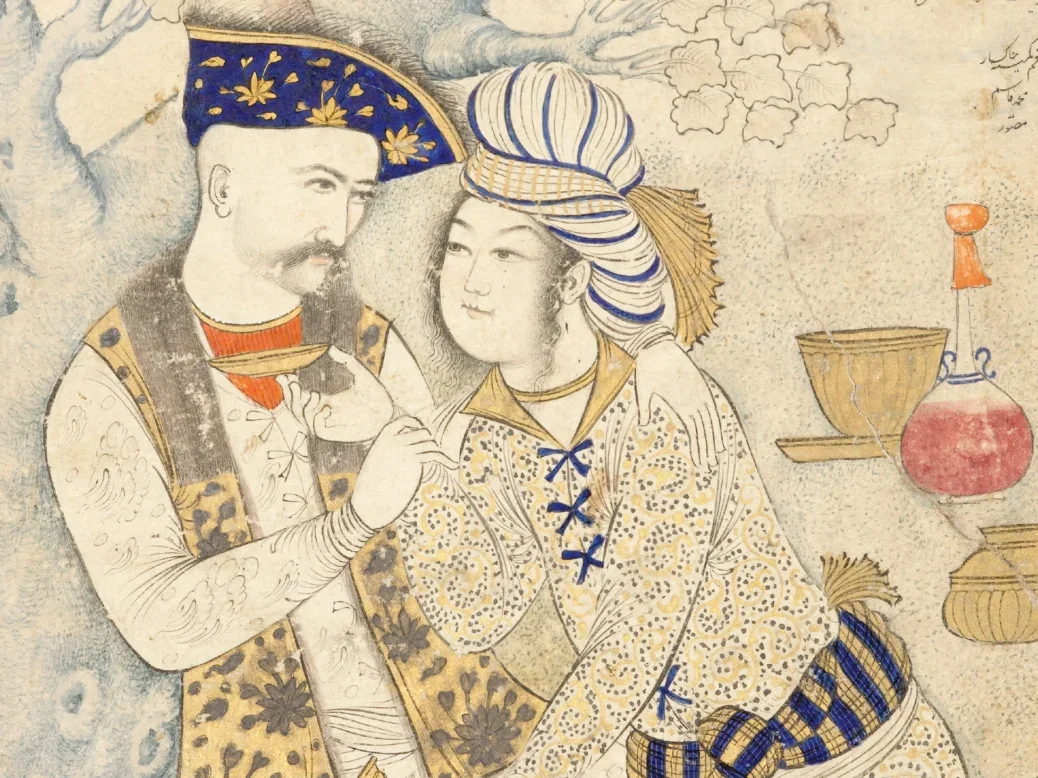
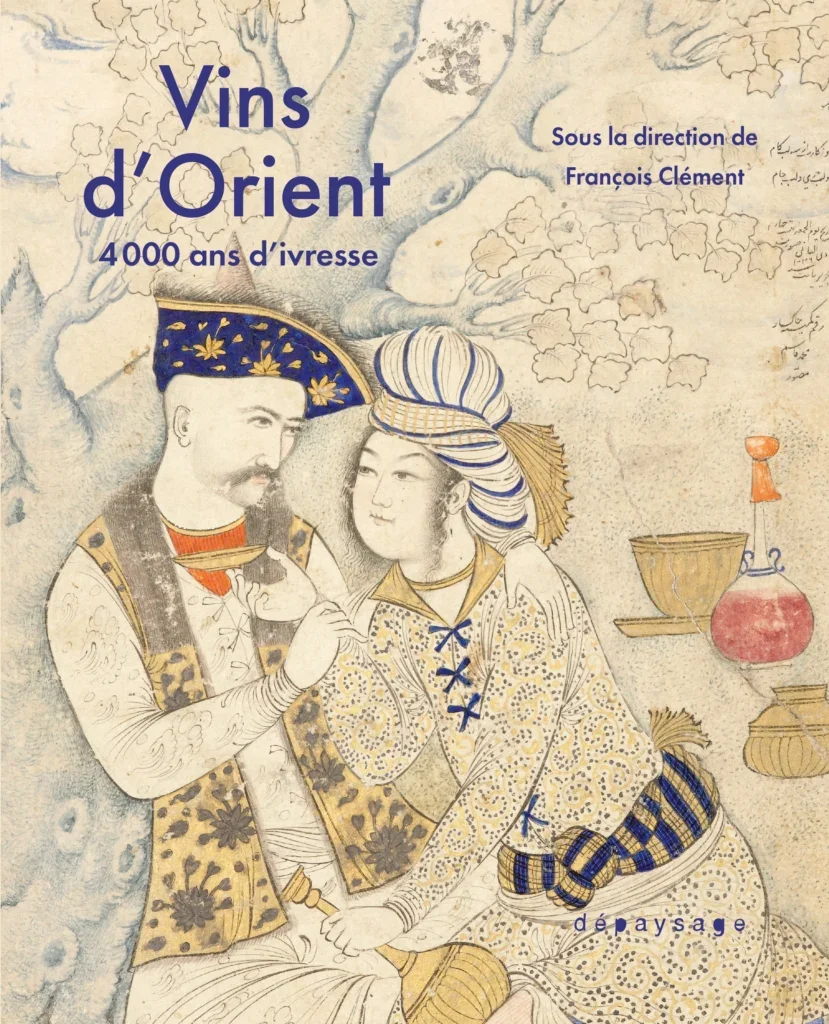
Stuart Walton reviews Vins d’Orient: 4000 Ans d’Ivresse edited by François Clément.
The story of wine, like many other grand narratives of history, has been skewed in the direction of the western hemisphere for generations prior to the most recent one. While the origins of wine, both actually and mythically, were acknowledged to be in the Near East, the focus shifted in a Eurocentric direction with the dispersal of viticulture throughout the Greco-Roman period of antiquity. Those regions where the vine was first systematically cultivated gradually ceased to be of commercial significance, and the spread of Islamic jurisdictions throughout western Asia and North Africa had a stifling effect on both the practice of viticulture and the social uses of alcohol.
However, in recent years we have begun to realize a more nuanced, three-dimensional view of wine’s history in its original heartlands, recovering aspects of its ceremonial, spiritual, and quotidian uses that are repeatedly surprising. Even where the continuities with that history have been decisively broken, knowledge of the role that wine played in societies east of the European landmass is an indispensable component of the global history of fermented grape juice—a history that is simply incomplete without that knowledge.
A multiauthored scholarly collection of papers, Vins d’Orient: 4000 Ans d’Ivresse draws together a range of specialized learning from French academics, shedding light on terrain that has lain in shadow for far too long. It is worth stating that the “Orient” in the title refers almost exclusively to the cultural region demarcated by Edward Said’s path-breaking study of 1978 Orientalism, which is to say the Near East and the Mediterranean littoral of Africa, rather than anywhere farther east. That said, whereas Said was out to skewer the hauteur with which European culture had viewed these regions, François Clément’s genial convocation restores the historical integrity and cultural independence to the viticultural practice they had nurtured since archaic times.
Related
Vins d‘Orient: A vital force
In the biblical myth, the human race that Noah reestablishes after the Flood begins at the same moment as the invention of viticulture, and many of the features of our own understanding of wine are of ancient provenance. Where there was wine, there was qualitative judgment from the very beginning, the double face of the good and the not-so-good. Clément and Edgard Weber note in their preface that the cuneiform tablets of Sumer already have two respective terms for these: damqum and hallum. Closing the whole well-illustrated volume, Clément exhibits the inscription on the shoulder of a wine jar from the tomb of Tutankhamun, which meticulously states the region, subregion (West River), vintage (Year 9 of the pharaoh’s reign), and even the name of the producer (May). In other words, it lacks nothing that a modern wine label tells us, apart from the advice that it goes with red meats and cheeses.
Wine always ran through life as a vital force in the Judaic communities—in certain Jewish traditions, the tree of knowledge in Eden is held to be a vine—but the use of wine was generally circumscribed within the piety of devotional decorum. The tension between enjoyment of a divine gift and defilement through excess innervates the customary belief that to recite a prayer under the influence of drunkenness is an abomination. Drunken vomiting is the very essence of uncleanness. The prophetic books of the Tanakh are unequivocal in their contempt for pagan delirium, particularly in the matter of the use of intoxication for pagan prophesying (Isaiah 28:7–8).
In the Arab lands, up to the time of the birth of the Prophet Muhammad, wine was ritually pressed into service by mystics for the purpose of entering trance states, in which they foretold what would come to pass, but drunkenness was not entirely a spiritual matter. The pre-Islamic poet Imru’ al-Qais, founder of the traditional laudatory poetic form of the qasida, notes that peppered wine has the effect of making one drunk more quickly. In time, all cultures reached for the vice of drunkenness as a means of othering those around them, or even those in their midst. Muslims traditionally viewed their Byzantine neighbors as drunken heathen, but the Byzantine historian and memoirist Anna Komnene, writing in the 12th century, characterizes “barbarous Ismaelites” as “slaves to drunkenness, wine, and Dionysos.”
Content from our partners
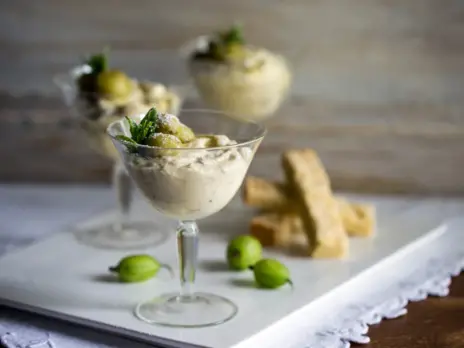
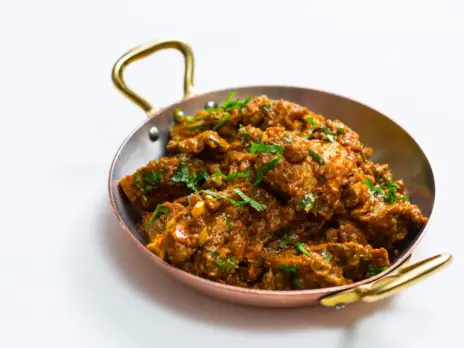

For all that, the wine of Byzantium, reports Nicolas Drocourt, was usually low in alcohol, often acidic, and generally taken diluted with warm water. Wine of the previous year was allowed to acetify and was then laced with aromatic plants such as myrrh and other spices, and preserved under pitch, resin, or gypsum. Resinated wine was not, Drocourt points out, the prized forerunner of pine-scented retsina, but was merely tolerated, while the elites typically detested it. However that may have been, mixing it with something was what made wine civilized. The worst that was said of drunken emperor Michael III (r.842–867 ce), assassinated at 27 years old, was that he drank his wine unwatered.
Wine as commodity
Aggravation between rival confessions only took on greater rancour with the ages, as is delineated in Claire Soussen’s essay on Jewish wine. By the Middle Ages, commensality among Jews and Christians was being strongly discouraged by faith leaders on both sides, dogmatic stricture planting its stake in the fertile ground of social harmony. The blood libel against the Jews would turn these pieties venomous, to the extent that in some areas Jews took to drinking white wine, so that others would see it could not have been adulterated with Christian blood.
Its role as a commodity in mercantile economies made wine a divisive social marker, too. By the time it had passed into the Near Eastern cultures, an allegorical image of power became the seated sovereign attended by servers and musicians and holding a cup or goblet. In illuminated books and in marble reliefs, the regal figure is often seen clutching a drink. Even by the late 16th century, in a graphic watercolor image, we see the bibulous Ottoman Sultan Selim II, son of Suleiman the Magnificent, wallowing in regal corpulence, cup in one hand, napkin for dabbing his beard in the other.
Poetic traditions
Vins d’Orient is a treasure chest brimming with such pedagogical jewels. Mehdi Ghouirgate’s contribution on the tradition of supposedly non-intoxicating cooked wine under the Almohad Caliphate in what is now Morocco, variously designated anzir or rubb, is a fascinating study in the ruses by which alcohol cultures have managed to have it both ways—drinking, but not really drinking. In Marrakesh, it is still possible to see the 12th-century Bar al-Rubb, an arched double gateway in the old walled town, through which rubb would once have entered the medieval city. Clément himself darts among the crowd of contributors, expatiating here on the Arab lexicon of enology, there on the Persian wines of Shiraz in the 17th century, elsewhere on the wines of Muslim Spain.
The poetic traditions of the Near East have received greater western scrutiny in latter years, but there is still much to learn, not least from Nehmetallah Abi-Rached’s paper on wine in popular Lebanese poetry. Edgard Weber finds the 18th-century lyricist Abd al-Ghani al-Nabulsi proudly declaring that the children of God have drunk the wine of holiness and become inebriated (my translation from the French): “a drunkenness / seizes his people, / a drunkenness without shame / and without sin.” This is nothing other than the Bacchic tradition, Weber notes, repurposed for a metaphorical account of divine love.
That last point is particularly salient. If drunkenness is just a metaphor, can it still be material drunkenness at all? Clément’s and Weber’s preface to this collection dares to posit that if the wine in the Islamic paradise is non-intoxicating, who else but those who never touch wine anyway would be satisfied by it? There are texts in the Old Testament (Numbers 6:1–4; Leviticus 10:8–9) that counsel abstinence, just as there are Quranic passages that define wine as an assurance of God’s benevolence (Surah An-Nahl 16:67)—but however the western monotheisms have parsed it, and allowing for the customary chiding of its misuse, wine is preeminently a benison to humanity.
Hardly anything is more comforting than the voice of the grapevine in Jotham’s parable of the trees from the Book of Judges. None of the first three trees to be courted wishes to depart from its place in the terrestrial ecosystem when offered the chance of becoming sovereign over the rest, but the grapevine in its refusal adduces its role in producing wine, which “cheereth God and man” (Judges 9:13).
Wine has not just been handed down to us to compensate us for our passage through the vale of tears. It delights the maker of all things as well. In the reconciled afterlife, we will all drink it together. In the meantime, there is vinous cheer and fascination in equal measure to be had from this indispensable volume.
Vins d’Orient: 4000 Ans d’Ivresse
François Clément (editor)
Published by Dépaysage; 400 pages; €26 [currently published only in France]