


Ken Gargett tastes the Australian, American, Chinese, French, and international co-production wines at the launch of the Penfolds Collection 2025.
The annual release of the Penfolds Collection continues to be one of the highlights of the Australian wine calendar, even more so when the new Grange comes from what is already quickly becoming a legendary vintage. As usual, the focus (from those attending, if not Penfolds themselves) is all about that wine. But every year, there are more and more others that demand attention and provide excitement.
This year, as always, five different vintages were on display. There are wines not only from home territory but France, China, and the United States, as well as cross-border inclusions. Most local releases come from the 2023 vintage, across numerous regions. In general, 2023 was a more than serviceable year, though it struggles to compete with the superb 2021, stellar 2022, and the increasingly impressive 2024. That said, many of these wines more than exceeded expectations for the vintage. We also have the Bin 51 Riesling from 2025, which gives every indication that this will be another exciting year. (Yes, a small sample, but other 2025s are playing the same tune.)
For me, the pick from 2023 is an astoundingly good Magill, along with both the RWT and Bin 707, with Bin 389 a whisker behind, and Bin 138 for value. The 2022 St Henri is undoubtedly impressive but falls short of the 2021 by a wider margin than expected. (Others disagreed, but that always happens when a dozen or two scribes are assembled.)
Related

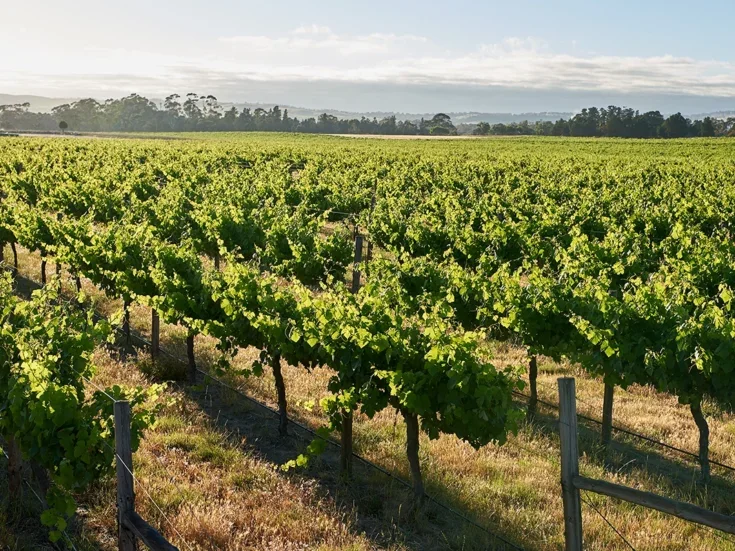
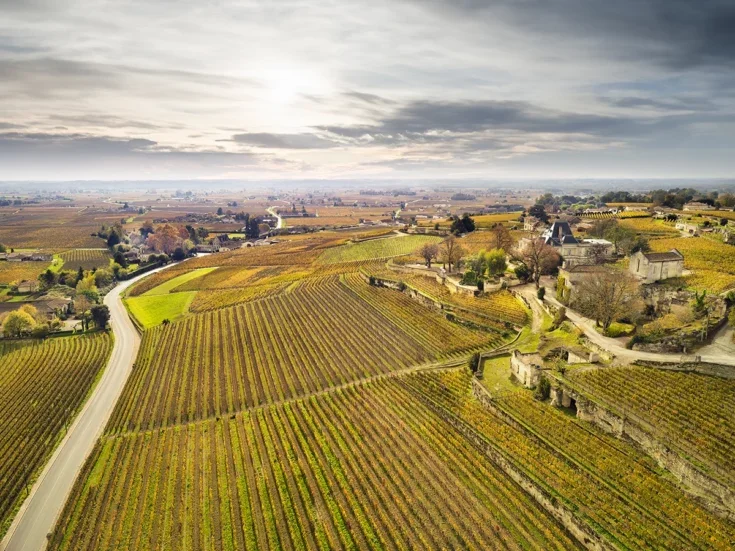
The 2021 Grange will surely come to be regarded as one of the very greatest of all Granges and should be in every wine lover’s cellar, though deep pockets are inevitably necessary. At the very least, find a way to taste this gem.
From offshore, the 2022 Bin 600 from the US stands out and is seriously good value. From France, 2022 FWT 585, a Bordeaux blend, is a star, while the international blends Bin 149 2022 and Quantum 2021 are others. For Bin 149, it really does help when one can source Cabernet from the Kalimna Vineyard, the oldest Cabernet vineyard on the planet, first planted in 1888 (and then purchased by Penfolds in 1945).
We have not even touched upon any of the whites so far, which seems distinctly unfair. One thing that was a little different this time was that we tasted the Australian reds first, then the whites, and followed that with the offshore contingent. Did it make a difference? I don’t think so.
Content from our partners


Beyond all that? Well, an embargo prevents us from mentioning anything more, but you can be certain that there are some wonderfully exciting wines in store, and next year’s Penfolds Collection should be just as thrilling.

Penfolds Collection 2025—Australia
2024 Bin 311 Chardonnay (A$55 / £32 / €37)
First released with from the 2017 vintage, Bin 311 provides a fine, fresh, well-crafted expression of Chardonnay without challenging the prices of Bin A and Yattarna. Nor does it challenge the complexity and quality that that pair offers, but it usually represents good value. The fruit is sourced from vineyards in the Adelaide Hills, Tasmania, and Tumbarumba. 2024 was considered a good vintage in all three regions, especially Tumbarumba. Maturation was for a year and a half in French oak barriques, 18% new.
Straw yellow in color, this is a slightly leaner style than some other vintages, but clean, fresh, bright, and inevitably youthful. Notes of lemon, even a hint of pineapple, with spices and a very gentle touch of oak. Appealing fragrances lead to an enticing palate, with a move to stone fruits and florals, and a flick of ginger. A few years will see it build to advantage. A wine of medium length, with good lemony acidity running the journey. Enjoy over the next three to six years. | 92
2024 Reserve Bin A Adelaide Hills Chardonnay (A$125 / £70 / €80)
It’s always a fascinating comparison to taste Bin A next to the new Yattarna, though it is always a bit skewed as the releases are from different vintages. This Collection, the 2024 Bin A probably enjoyed slightly better conditions than did Yattarna from 2023. (Last year, the advantage was with Yattarna, from the stellar 2022 vintage, while Bin A was from 2023.) Bin A is entirely sourced from the Adelaide Hills. Full barrel-fermentation, part of which is with natural yeasts, then regular bâtonnage and 100% malolactic. Maturation was for eight months in French oak barriques, half new and 20% just a year old.
While we often see Bin A as the more free-spirited of the pair, this vintage requires some time in the glass for that typicity to emerge. The wine is a straw-lemon hue and more elegant than usual. It is balanced yet intense. This is quality Chardonnay, with hints of lemons and grapefruit, peaches, and nutty, cashewy oak. There is a hint of gunsmoke and minerality, and as it opens up with time in the glass, we see the richer, more exotic nature of Bin A. A brightness is always evident, as is the very fine acidity, all leading to a lingering finish. Worth giving it three or four years in the cellar and then enjoying over the next decade. | 95
2023 Yattarna Chardonnay (A$220 / £135 / €155)
It seems no time at all since the seemingly endless fuss surrounding the very first Yattarna, the 1995, released in 1998, created such intense interest. Since then, it has firmly established itself as one of our very finest Chardonnays. The wine is referred to as Bin 144, in Penfolds circles, since they made 144 trial blends before releasing that first vintage. The fruit hails from Tumbarumba, Adelaide Hills, and Tasmania, and the wine spent eight months in French oak barriques, 60% new, the remaining 40% just one year in age. The stunning quality of the 2022 means that this release had a very tough act to follow, but it is a standout for the vintage.
The color offers hints of straw. There is perhaps more oak evident at this early stage than we sometimes see with Yattarna, but it is deftly handled, and integration is proceeding apace. There is a spiciness already apparent, and notes of stone fruits, citrus, and peaches, along with fresh oyster shells and limes. The wine has that exemplary Yattarna refinement. On the palate, those alluring lemon and peach notes are even more to the fore, while the oak fades to a minor supporting role. The wine has focus, serious length, and is already exhibiting the first hints of the complexity that will surely continue to emerge. A 10-year proposition, there is plenty of room for this wine to improve even further. This might not be a great Yattarna, but it is an extremely good one. | 97
2023 Bin 138 Barossa Valley Grenache/Shiraz/Mataro (A$60 / £35 / €40)
This has been a personal favorite from the Collection ever since Penfolds released its 1992 blend, dubbed Old Vine Barossa Valley GSM—the wine was given Bin status from the 1998 vintage. This release is 56% Grenache, 38% Shiraz, and 6% Mataro. Maturation was for a year in a mix of seasoned French and American oak hogsheads. The different varieties are blended just before the bottling.
A riveting purple, this screams both class and Barossa. Notes of chocolate, mocha, violets, coffee beans, licorice, cassis, and more chocolate. Anyone who has ever enjoyed a Cherry Ripe, one of Australia’s oldest chocolate bars that has been made by Cadbury’s for more than a century—and that would be almost every schoolkid in the country—will be immediately transported back to the days when that luscious choc/cherry flavor seemed the most decadent thing on Earth. The wine continues with power, direction, and focus, excellent balance and a persistent finish. There is juicy acidity here. A wine that will undoubtedly continue to build, develop and improve over the next 10 to 15 years. Even a brief 20 to 30 minutes in the glass saw it simply exploding with flavor and chocolaty goodness. | 94
2023 Bin 28 Shiraz (A$50 / £30 / €35)
Originally, this was the named after the famous Kalimna vineyard that has provided fruit for some of Australia’s greatest reds, as well as the first release of this wine, from the 1959 vintage. Today, the fruit is sourced from the Barossa Valley, McLaren Vale, and Padthaway. The wine spends a year maturing in American oak, 15% new.
The color in the glass was a shimmering yet opaque maroon. This is a little denser than some, but it appears almost demure in comparison. Perhaps reticent would be more apt. Black fruits are the order of the day, with leather, cloves, black olives, dark chocolate, blackberries, licorice, and graphite. In those brief moments when the black fruits loosen their grip, we see notes of blueberries, and even blood-sausage scrapings sneak through. The well-handled oak will become almost invisible over a few short years, and the wine has serious concentration. Demure and reticent to open, certainly, but it did not take all that long for it to emerge from its shell. A juicy fruit style, with very dark chocolate notes on the palate and sour cherries on the finish—there is good balance here. Fine, firm tannins finish the wine, which is of medium length. Ten years will be a doddle for it. | 92
2023 Bin 128 Coonawarra Shiraz (A$75 / £43 / €50)
Inevitably, 28 and 128 are always compared, and sometimes even confused, despite one being warm-climate Shiraz and the other, Bin 128, a cooler-climate Coonawarra Shiraz. Maturation was for a year in French oak hogsheads, 26% new and 39% one-year-old. Originally, Penfolds also used its trademark American oak but then, in the 1980s, made the switch to French. First vintage was the 1962.
An opaque purple hue. There are still vestiges of the oak handling, but it is early days, and full integration should take place within a year or two. There are notes of kirsch, aniseed, mint, herbs, cloves, chocolate, bay leaves, a touch of delicatessen meats, woodsmoke, plums, and blackberries. Ripe flavors abound throughout this wine, with juicy acidity, balance, focus, and medium length. A fine Bin 128, which will drink well over the next 10 to 15 years. | 93
2023 Bin 407 Cabernet Sauvignon (A$130 / £75 / €85)
Bin 407 Cabernet has proved to be a wonderfully successful wine for Penfolds, though it is very rarely one that excites me. The inaugural vintage—the 1990 released in 1993—was a cracker, and the 1996 another terrific red. It is never anything less than a decent wine, but for me there is always better value, and more excitement, to be had elsewhere in the Collection. This release is one of the better examples from recent vintages. The fruit is widely sourced, this time from Padthaway, Coonawarra, McLaren Vale, the Barossa Valley, and Wrattonbully.
Opaque black in color. The nose is all tar, graphite, axle grease, bay leaves, dark chocolate, soy, licorice, spices, and blackberries, with hints of dried herbs intruding. Even a touch of raspberries. An intense style, it is perhaps a little straightforward, but a very good 407 (all things are relative). Seamless, with fresh acidity and medium length, there is still noticeable vanillin oak in existence. This wine is not giving us any complexity at this stage, nor the suggestion it will emerge in the future, but it is what it is—full of flavor and a rather enjoyable wine. Enjoy over the next 10 to 12 years. It may even surprise those prepared to cellar it for longer. | 92
2023 Bin 389 Cabernet Sauvignon/Shiraz (A$120 / £70 / €80)
If I am somewhat ambivalent about 407, I am anything but about 389—always a stellar performer, and this release, which transcends its vintage, is very much that. In the past, it was often dubbed “baby Grange,” which I must confess always struck me as a bit of a backhanded compliment. This was, however, one of Max Schubert’s creations, with the first release from the 1960 vintage. It would be hard to imagine a serious cellar in Australia that does not hold at least a case or two. Penfolds may be best known for Grange, but for many, this is the value option from the Collection, year after year, even if price rises have rather muted that. The blend is always marginally in favor of Cabernet—51% Cab to 49% Shiraz this time—and the fruit hails from McLaren Vale, Padthaway, and the Barossa Valley. Maturation is in American oak hogsheads for a year, one third new. A triumph for the vintage.
Opaque purple, this is lifted, generous, and really rather exciting. Glorious aromatics: notes of plums, aniseed, tobacco leaves, dark chocolate, espresso, blackberries, and coffee beans, with a touch of blueberries peeking through. Black pudding and chocolate mud cake may not sound like the most enticing combination, but here it works wonderfully well. Seamless in structure with bright energy and immaculate balance, this is very long. There is fine acidity here, and even finer tannins, with a sleekness to them. Early complexity is very much evident, and we can expect that to develop further over the coming years. Power, yes, but this is also effortlessly elegant. Delicious now, this will surely drink beautifully for the next 15 years—and considerably longer if you really do have the patience. Love it. | 96
2022 St Henri Shiraz (A$135 / £95 / €110)
This is perhaps the most enigmatic red of the Collection. There are some releases that are simply so stunning that they can top the Grange of that Collection (2010, 2016, 2018, and 2021 all spring to mind as contenders), though it is always a year or two younger than the Grange when released, allowing St Henri to benefit from the better vintage in those instances; others where the wine is good without being spectacular. It is also the one Penfolds wine that seems to have been forgotten by the bean-counters, with price rises for it rather insignificant compared with almost all their other wines (not that this is a complaint, of course, and it can lead to some great buying). The wine first appeared in the early 1950s, with the initial commercial release being from the 1957 vintage. This is certainly a very fine St Henri, though unlikely to sit with the absolute greats. Maturation is a very different regime from the usual Penfolds modus operandi. The wine spends time in very large-format very old oak, meaning the oak influence is minimal at best. This release saw 14 months’ maturation. 96% Shiraz with 4% Cabernet Sauvignon, the fruit is sourced from the Barossa Valley, McLaren Vale, and Padthaway—again, no Clare material, though there is no Clare reason why.
The color is a vibrant yet near black-purple. As much as any wine in the Penfolds Collection 2025, this one did step up with time in the glass to reveal hidden layers. We have a range of aromas, through dried herbs, chocolate, aniseed, cloves, black and red berries, plums, tobacco leaves, and cassis. There is a juiciness to the palate, where those aniseed notes really start to come forth. The wine finishes with notes of sour cherries. There is very good length here, along with balance and intensity, sleek tannins, and a lingering finish. This is perhaps a little more powerful than some recent St Henri releases at this early stage, and there is certainly room for the wine to improve even further. It will provide pleasure for at least 20 years. | 95
2023 Magill Estate Shiraz (A$180 / £120 / €140)
This is an utterly stellar release of Penfolds’ single vineyard, one of those rare city vineyards. (Perhaps not when Penfolds kicked off so many years ago in 1844, but the city of Adelaide has expanded and the vineyard, now surrounded by suburbia, is just 5 miles [8km] from the city center.) First vintage was the 1983. 100% Shiraz, maturation for 17 months in a mix of French barriques, 34% new, and American hogsheads, 33% new. Aside from the Grange, this was very close to the best wine of the day—almost impossible to give the nod to it or to the 707. For me, it is a struggle to think of any wines from the 2023 vintage better than this pair. That makes this a smart buy.
Opaque purple/maroon, this really is a bit exciting. The nose offers notes of licorice, graphite, black fruits, cloves, soy, dark chocolate, cassis, and coffee beans. Seamlessly structured, with an alluring texture, this is exceptionally long. It has concentration and power, yet more refinement than one expects from 2023. Despite the length, the intensity and balance never waver for a moment. This will sing for at least the next two decades. A great Magill. | 98
2023 RWT Bin 798 Barossa Valley Shiraz (A$220 / £125 / €145)
These days, the name is a mix of RWT and Bin 798. I have never heard anyone, outside of the Collection tasting, refer to it as anything but RWT, which is rather bizarre, given that it stands for Red Winemaking Trial and the wine has been with us ever since the 1997 vintage was released in 2000. But RWT it is, and I suspect RWT it will always remain, at least for wine lovers. The concept was a wine to reflect the glories of Barossa Shiraz, done in a very non-Grange way. It is 100% French oak, all hogsheads, with 69% new, the remaining 31% one-year-old. While 2023 is a good vintage, it does come up a little short when measured against both 2021 and 2022 (and, from all reports and initial indications, 2024). All the same, this wine certainly exceeds what the vintage might be expected to offer.
A very dark purple-magenta, and there is plenty of oak here, but it is early days, and all is proceeding according to plan. Along with those vanillin notes on the nose, we have a touch of toast, dark chocolate, espresso, mocha, aniseed, bay leaves, a burst of ripe raspberries, blackberries, and root vegetables. There are spices—notably a whiff of black pepper and nutmeg. So young, time will very much be to its benefit. Anyone leaving this wine in the cellar for the next five to six years before opening will reap the rewards. A move to the palate sees the wine give the impression of being more approachable than at first it seems—I still think time will be the key here. It is seamless, of medium weight and good length, with fine tannins and a finish that lingers beautifully, with roasted coffee notes. This is a very fine RWT. A 20- to 25-year proposition. For a score, I wavered back and forth between 96 and 97, but time in the glass saw the wine continue to reveal more and more of its glories, so the higher score emerged victorious. | 97
2023 Bin 707 Cabernet Sauvignon (A$800 / £450 / €525)
One of Australia’s most famous Cabernets, and certainly priced accordingly, it follows the Penfolds playbook of terroir being very much a secondary consideration, this vintage hailing from vineyards in McLaren Vale, Barossa Valley, and Padthaway. It also follows the Penfolds playbook with the use of American oak for maturation, a year and a half for this release, all of it new. Bin 707 was first released in 1964, and one suspects it was intended as a one-off, but Penfolds persisted. It disappeared in the 1970s but was revived with the 1976 vintage (a great year for South Australia and for Penfolds), though has since missed a number of vintages, something that has never happened with Grange. This release is a monumental wine—a stunning achievement for 2023.
For this wine, we looked at two bottles. Absolutely nothing wrong with the first, but it did come from the very end of the bottle, where there was already noticeable sediment—I guess this is the wine lovers’ version of NIMBY. So, we looked at a second, and it was even more impressive, seemingly exhibiting even more length and exuberance. The highlight is a sweet core of dark cherry/chocolate. The color is an opaque maroon, while the nose opens with plums, chocolate (which never really abandons us), spices, bergamot, plenty of oak deftly handled, cassis, licorice, spices, nutmeg, cold tea, smoked meats, graphite, and black cherries. Time in the glass saw the cassis/dark cherry/kirsch notes emerge more and more. There is refinement here, though it quickly morphs into a hedonistic energy, balance and focus, with fresh acidity running the length. This will easily sail through the next 20 to 30 years. | 98
2021 Penfolds Grange (A$1,000 / £600 / €700)
No matter how much Penfolds might try, the focus of the Collection inevitably falls on the latest Grange. This is even more the case when it is from what has already become a legendary vintage. 2023 was an adequate year for many of the wines here, and some certainly outperformed expectations. With the 2021 Grange, the expectations were simply that this had to be a great Grange. Anything short of that might even be deemed a failure. Fair to say that Penfolds does not do failure. (Or if it does, they don’t leave the winery.) This is indeed an extraordinary Grange, as good as any young release I can remember, and it is as close to a sure thing for the future as one could ever hope for. How many of us will still be alive when it finally reaches peak drinking is a question I won’t have to answer, but I can promise immense pleasure for anyone opening a bottle any time over the next half century. This is, quite simply, a wow wine. We have seen the impressive 2020 picking up a number of “Best of” awards in recent months. This vintage is on another level. As always, several regions contributed—the Barossa Valley, McLaren Vale, and Clare Valley this time. As is usual, though not inevitable, there is a dollop of Cabernet Sauvignon in the blend, 6% for 2021, and the wine spent a year and a half maturing in new American hogsheads. This should be a bucket-list wine for every wine lover—it is that good. No wonder Peter Gago’s response was a face-splitting smile to confirm he was “very, very pleased.”
Maroon-black in hue, one simply gets lost in the nose, just endlessly sniffing the most glorious cassis notes, along with black fruits, blueberries, coffee beans, aniseed, mulberries, delicatessen meats, tobacco leaves, plums, and graphite. The wine is seamless, intense, and immaculate, with knife-edge balance. It simply dances with joy. The oak is there, undeniably, but it is so well handled that you almost have to think twice. So complex already, and yet so harmonious and decadent. Silky tannins, bright acidity, the intensity never wavers for an instant, and there is incredible length—Rutherglen Muscat length. This is as close to a perfect Grange as I can imagine. Fifty years, if you think you can last that long (or want very grateful grandkids). A Lord-take-me-now wine, if ever there were one. | 100
Penfolds Collection 2025—USA
2022 Bin 600 Cabernet Sauvignon/Shiraz (A$90 / £45 / €53)
The Bin number hails from many years ago, when vines were transported from Penfolds vineyards at Kalimna and Magill to California, and the vineyard there was referred to as Creston 600 Ranch. Grapes from those original cuttings provide some of the fruit used here. The wine, a blend of 66% Cabernet Sauvignon and 34% Shiraz, spends 16 months maturing in American oak barriques, 45% new. This unique blend of Australian and American factors has resulted in a cracking wine.
The color is a deep purple/bruised plum hue. This is very much from the black-fruits end of the spectrum, and we have notes of mocha, coffee beans, spices, graphite, black pepper, cloves, and chocolate with deftly handled oak, which simply disappears into the wine. This is full of life. The palate gives us more cassis and black cherries. Beautifully structured, this is refreshing, with fine, if somewhat dense, tannins and very good length. So much to like here, and it will provide pleasure for at least the next 10 to 15 years, though the more time you can give it, the better. | 95
2022 Bin 704 Cabernet Sauvignon (A$125 / £60 / €70)
Napa Valley Cabernet is surely one of the great wines of the world, so it stands to reason that Penfolds would want to have its winemaking team all over it. This is supposedly the mirror image of their local Cabernet, Bin 407, but yet again my preference is firmly with this Napa wine. It spends ten months maturing in French oak barriques, 45% new.
Deep maroon. The nose reveals appealing notes of dried herbs, spices, animal fur, black fruits, mushrooms, and freshly unearthed beetroot. The oak integration is proceeding on schedule. More savory—some might even think a touch rustic—than most of the range, but it is well balanced, offers juicy acidity and silky tannins, and has impressive length. A 10-year proposition. | 93
Penfolds Collection 2025—Wines of the world
2022 Bin 149 Cabernet Sauvignon (A$275 / £160 / €190)
Don’t let anyone try to fool you that this wine is an example of terroir—when the components come from opposite sides of the globe, that simply isn’t possible. Of course, that does not mean it isn’t a cracking wine and, for me, one of the very best of the offshore range. The blend is 93% Cabernet Sauvignon and 7% Cabernet Franc, the grapes coming from California’s Napa Valley and South Australia. The name came from the first release of this wine, where the perfect proportion of South Australian Cabernet was deemed to be 14.9%. The wine spends 16 months maturing in French oak barriques (75%, all new) and American oak barriques (25%, all new).
The color here is an opaque maroon, while the nose gives us notes of cloves, blackberries, chocolate, plums, coffee beans, mocha, Vegemite, tar, soy, and tobacco leaves. There is excellent oak integration, while the palate is seamless. There is very good length, with firm, dense tannins and an intensity that never wavers. Full-throttle flavors here and so much to like. Twenty years easy. | 95
2021 Quantum Cabernet Sauvignon (A$950 / £475 / €590)
As Grange is the pinnacle of Penfolds efforts in Australia, Quantum holds that leading role in the USA, though it does contain a contribution from South Australia. Also known as Bin 98, the wine is 93% Cabernet Sauvignon from the Napa Valley and 7% Shiraz from South Australia. Maturation is for 16 months in new barriques, 68% American and 32% French. 2021 was an exceptional vintage in both places. This is a special wine.
With a deep magenta/maroon hue, this offers such alluring aromas, with notes of mocha, cassis, espresso, coffee beans, spices, truffles, tobacco leaves, cinnamon, aniseed, black pudding, chocolate, and blackberries. There is still plenty of oak evident, but integration is proceeding well. There is a seductive texture, vibrant acidity, impeccable balance, excellent focus, superb construction and amazing length. Sour-cherry notes emerge on the finish, alongside dusty tannins. This will easily enjoy 20 years. Just goes to show that terroir is not everything. | 97
Penfolds Collection 2025—France
2022 FWT 585 Cabernet Sauvignon/Petit Verdot/Merlot (A$100 / £65 / €75)
Needless to say, FWT stands for French Winemaking Trial. This is the fourth “trial” to be released, and again the fruit is sourced from across Bordeaux. The blend is 56% Cabernet Sauvignon, 41% Merlot, and 3% Petit Verdot, the wine spending a year maturing in French and American oak barriques, 35% of the French new, and 17% of the American. The remainder of the barriques were one or two years of age. The 2022 vintage in the region has been extensively covered but was a successful albeit warm one, with wines of high alcohol and low acidity but delightful freshness.
The color here is a vibrant dark purple, while the nose exhibits notes of chocolate, bruised plums, aniseed, axle grease, licorice, espresso, graphite, and animal skins. Dark and brooding, the palate moves more to cassis and choc/cherry, with a sweet core of kirsch. With its supple, creamy palate, there is an enticing plushness to this wine, with very good length and silky tannins. A wine that lingers with intensity and seriously impresses. This has at least a decade of giving pleasure ahead of it. | 96
2022 FWT 543 Cabernet Sauvignon/Syrah (A$100 / £65 / €75)
This version of the French Winemaking Trial is a French version of the great Aussie red blend, 52% Cabernet Sauvignon and 48% Syrah. Maturation was for a year in a mix of American barriques (25% new) and French barriques (16% new). The remainder was all one year old.
There is a pleasing restraint here, though an underlying structure that is both powerful and concentrated. The nose reveals aromas of blackberries, coffee beans, black cherries, chocolate, mulberries, mocha, and spices. Those cherry notes persist throughout. The wine is well balanced, and the oak integration is proceeding well. A supple style of medium length and satiny tannins, the wine has a gentle lingering finish. It will provide attractive drinking over the next six to eight years. | 93
Penfolds Collection 2025—China
2023 CWT 521 Cabernet Sauvignon/Marselan (A$150)
The Penfolds program of world domination continues apace, with this third release of the Chinese Winemaking Trial. The blend is Cabernet Sauvignon and Marselan (a French blend of Cabernet Sauvignon and Grenache, known for its structure). The Marselan component is 11%—previous vintages saw 23% Marselan in 2022 and 18% in 2021—which is sourced from the Ningxia region, while the Cabernet hails from Shangri-La (located in the southwest near Burma, Laos, and Vietnam). Ningxia is in the central north of the country, where winter temperatures are so cold that the vines are buried with soil to protect them.
Dark maroon in hue, and the nose offers smoked meats, mushrooms, spices, animal flesh characters, leather, dark fruits, root vegetables, and cherries, with good oak integration. A wine of medium length and good freshness; there is plenty of grip here and a touch more rusticity than we see in most of the Penfolds reds. Expect this to provide pleasure for the next 8 to 12 years. | 93
For more Penfolds tasting notes, register for the WFW tasting notes database.


