


At Polychrome, Vitalie Taittinger wants the dining table to be a place not only of nourishment but also of exchange, a meeting place of emotion and generosity, says Wendy Narby.
Is there anything more delightful than a glass of Champagne as an apéritif? It seemed unlikely, as I sipped the Comtes de Champagne Blanc de Blancs in the new Polychrome bar at Taittinger. Vitalie Taittinger, however, has other ideas. President of the family company since 2020 and fourth generation at the helm, she wants Champagne to be much more than uniquely celebratory. She wants to bring it to the table, believing it is even better when perfectly paired with food, making the food more delicious, too. The new Polychrome restaurant is the ideal showcase to do so.
Polychrome
Taittinger opened its new restaurant on the historic site of St-Nicaise in Reims in July this year. It is the final part of an extensive renovation of the original Art Deco building where they welcome guests. As well as being colorful, the name Polychrome is inspired by blending. Assemblage is central to the Taittinger philosophy, its wines blended from a diversity of terroirs—some 288ha (712 acres) of vines across as many as 40 crus.
Here, blending is not restricted to winemaking; it includes food and wine pairing. Guests are invited to create their own pairings, thanks to an extensive wine list.
Related
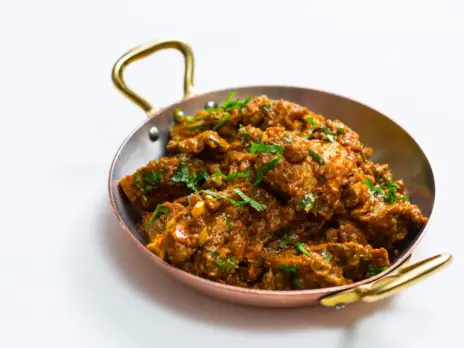
Blending happens in the kitchen, too. The cuisine is internationally inspired but locally sourced, reflecting the cultures of the many export markets where Taittinger is enjoyed. They aim to offer a range of colors and textures, local and seasonal products, and cuvées that all come together to make a delicious palette for guests to play with. Vegetable-led, four unique condiments—miso kumquat, pistachios, smoked yogurt with mint, and Earl Grey mustard—make for intriguing experiments when matching the dishes with the Champagnes. Two different cheese plates and light, fruit-based desserts complete the menu, which is not only delicious but clearly designed to help the wines shine. And they do.
Gastronomy is not a new adventure for the family. In 1967, Claude Taittinger created a culinary competition, the Prix ArsNova de Cuisine d’Auteur, to celebrate young chefs from around the world who respect and promote their regional culinary heritage. Charles Coulombeau—winner of the award in 2020 and owner of Michelin-starred La Maison dans le Parc in Nancy and Yozora in Metz—is the first guest chef to interpret this Polychrome concept. Every year, a different chef will be invited to bring a new and unique vision to Polychrome. Visitors can return and discover new experiences inspired by different cultures each time.
The bar and the restaurant offer a unique selection of the ten cuvées of Taittinger by the glass, bottle, and magnum, including older vintages of the prestige cuvée Comtes de Champagne, also by the glass. It’s a brilliant complement to the tastings offered during visits and a fantastic opportunity to explore the full house range. They also serve an “afternoon tea”—Champagne optional.
Content from our partners
Redesign
The floor-to-ceiling glass doors and windows of the restaurant enjoy a view over the newly replanted gardens. Colored hand-blown glass panels from the local Simon-Marq atelier separate the tables—a perfect blend of architecture, art, and gastronomy. This is just one part of the completely renovated and reimagined visitor experience that opened in July last year. Working with architect Giovanni Pace, Vitalie Taittinger shows her artistic sensibility through the redesign, an ambitious project that closed the St-Nicaise site for 18 months. The original Art Deco building has been reimagined as a blend of art, culture, and gastronomy, inspired by the place and the product.

Dominating the chalky outcrop of St-Nicaise, a stone’s throw from the center of Reims, the site is beautifully integrated into the visitor experience. Guests start their discovery in the crayères, descending 60ft (18m) under the building. These chalk pits from the 3rd century also contain the remaining network of 13th-century galleries, crypts, Gothic vaults, and staircases carved into the rock by the monks of Abbaye St-Nicaise. Traces of etchings, graffiti, and initials in the chalk bear witness to the caves’ use as a refuge from conflict over the centuries, as well as aging cellars for the wines. Some 2.5 miles (4km) of stunning tonnelles or alleys house 2 million bottles of the Comtes de Champagnes Blanc de Blancs and Rosé, all riddled by hand.
Wine and art
Above ground, designer Grégory Guillemain has brought a contemporary touch, using stone, wood, leather, and glass to create a bright and elegant space that contrasts brilliantly with the ancient cellars. The central atrium, with its long tasting bar, is a showcase for the artist-inspired bottles from the Taittinger collection. A backlit stained-glass creation from the Simon-Marq glass workshop that dominates the room is dedicated to artist Corinne Deville, Vitalie Taittinger’s grandmother. The Taittinger family saved this workshop, which is now creating the windows for Notre-Dame in Paris. It’s well worth a visit, too.
Experiences
Taittinger has cleverly expanded its capacity to welcome guests with newly designed private salons. Visits and tastings are limited in size to keep them intimate, with each salon designed to host a specific themed discovery—an organization that has allowed them to introduce three new tasting experiences:
The Instant Rosé Experience in the central tasting space serves the Brut Réserve and Prestige Rosé.
The Instant Gourmet Experience sees the Prestige Rosé and the Brut Vintage served in a private salon, paired with tasting dishes created by chef Philippe Mille, something he already does brilliantly at his Restaurant Arbane in Reims.
The Instant Comtes Experience is an opportunity to taste the Brut Réserve, Prélude Grands Crus, and the Comtes de Champagne Blanc de Blancs Grands Crus, served as a workshop.
With the opening of the restaurant this summer, another prestigious tasting has been added. L’Instant Duo Comtes highlights the top cuvée of the house, named for Thibault, Comte de Champagne, who, tradition has it, brought vines back from the crusades. The experience features the Comtes de Champagne Blanc de Blancs 2013 and the Comtes de Champagne Rosé 2012—the perfect apéritif before lunch.
A history of hospitality
This new project is the latest chapter in Taittinger’s long history of hospitality. The very first prestigious visitor was Peter the Great in 1717, when the site was still owned by the Comtes de Champagnes. The St-Nicaise location was rebuilt in 1920 by the previous owners and acquired by the Taittinger family in the 1930s. They opened to the public in 1980, and in 2006 Pierre-Emmanuel Taittinger dedicated a restored building uniquely to visitors and direct wine sales. In 2010, they opened several tasting rooms. It was visionary: Visits to the city boomed following the 2015 inscription of the 125 miles (200km) of crayères under the city of Reims as a UNESCO Heritage Site, alongside the Coteaux, Maisons, et Caves de Champagne (Champagne Hillsides, Houses, and Cellars).
Today it remains under the management of Pierre-Emmanuel’s children, Vitalie and Clovis. Vitalie credits her father with “totally changing the way we welcome people into the cellars.” This newly designed center perfectly illustrates this family vision, cleverly responding to the challenge of welcoming as many guests as possible while ensuring that each experience remains unique.
Colorful and clever
Under Vitalie’s management, there’s a delicate touch across the company. She trained as an artist before a career in business, and it shows. The concept store, Chromatique, follows this colorful theme. Alongside a complete range of bottles, there are many desirable goods created by local artists, authors, and partners, with an emphasis on gastronomy and craftsmanship—from porcelain, to paints. The recipe books provide the perfect inspiration to accompany your bottle of Taittinger back to your own dining table—though it is still delicious as an apéritif.


