

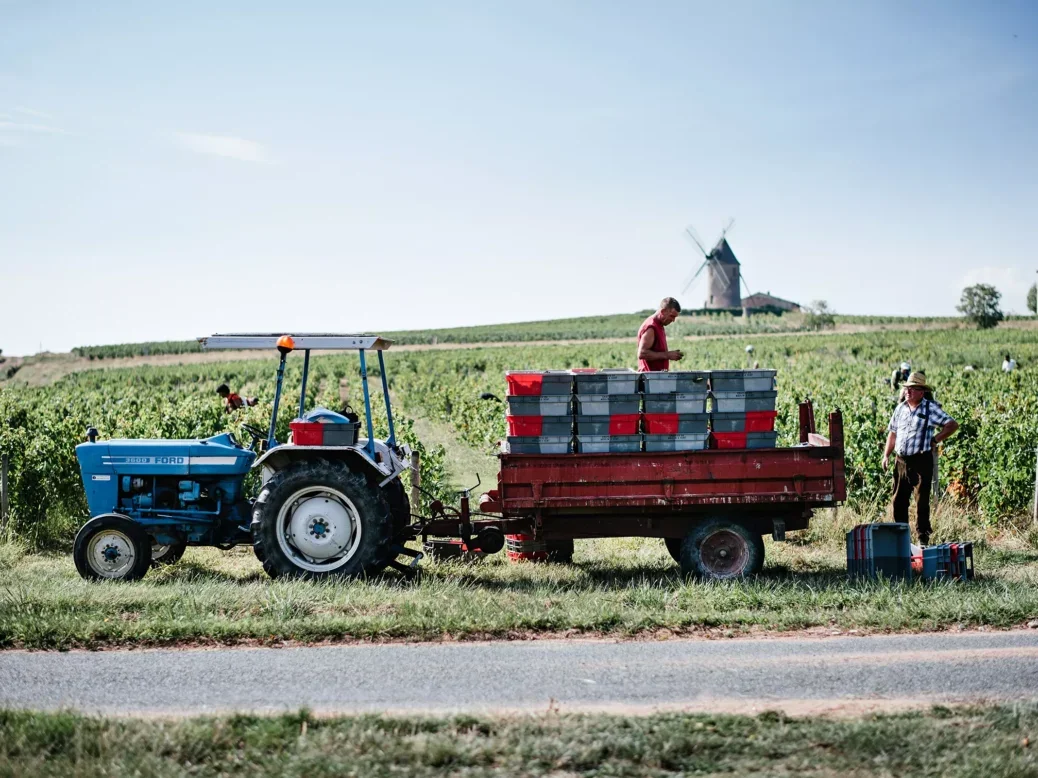
I may not be able to remember what I had for dinner a couple of nights ago, but I can pinpoint the moment I decided to write a book about the wines of Beaujolais with great precision. In May 2022 I was invited to a small tasting of the wines of the Château du Moulin-à-Vent. Nine vintages of its main cuvée were poured, and each wine revealed a different personality, inflected by age, the prevailing weather conditions during the growing season and the way in which the domaine’s winemaking style had evolved over time. At lunchtime, the Château pulled out the big guns, pouring wines from the 1996 and 1976 vintages.
I was forcibly struck that day by how Beaujolais struggles with its image as a region fit only for the production of cheap, simple, one-note wines whose fruity charms fade fast in the bottle. And yet I’d just tasted my way through a flight of complex, poised, refined wines with a demonstrable ability to age well over the course of decades, wines that were the equal in quality to fine wines produced in regions that are accorded far more respect. The more I thought about it, the more I realized that the main thing Beaujolais lacked was a narrative that could supersede the tired old tale of Beaujolais Nouveau and its faded glories.
I couldn’t have timed my deepening involvement in Beaujolais better. At the time of my first visits, in 2003, the region was suffering badly from the economic hangover that followed the Beaujolais Nouveau boom. The river of money that had flowed through the vineyards for decades had been diverted elsewhere, leaving vignerons despondent and the vineyards high and dry. Furthermore, the Beaujolais of 20 years ago was an insular, inward-looking world. Few growers had worked or studied outside of their home region, and their main oenological reference points came from their own wines and those made by their neighbours. Practical assistance was part of the local culture, but there was little in the way of exchange of ideas. And even I, a relative newbie to wine, could tell that there was no way you could farm the gnarled old bush vines that clung to the steep slopes of the crus by hand and turn a profit when selling at Beaujolais’s bargain basement prices.
A changing of the guard
Things have changed in the intervening years—most of them for the better, and a key part of this transformation has been a changing of the guard. Members of the current generation of winemakers have a far broader view of the world of wine than their parents and grandparents. Many of them have studied at college alongside the scions of winemaking families from other regions, and these friendships have helped to shape a wide frame of reference. A significant number have undergone stages at wineries as far afield as California, South Africa, New Zealand, and Australia, as well as elsewhere in France. The region has benefited from an avalanche of new insights into different ways of growing grapes, making wine and selling it, as well as all the other skills needed to run a successful small or medium-sized winery in the modern world.
Related
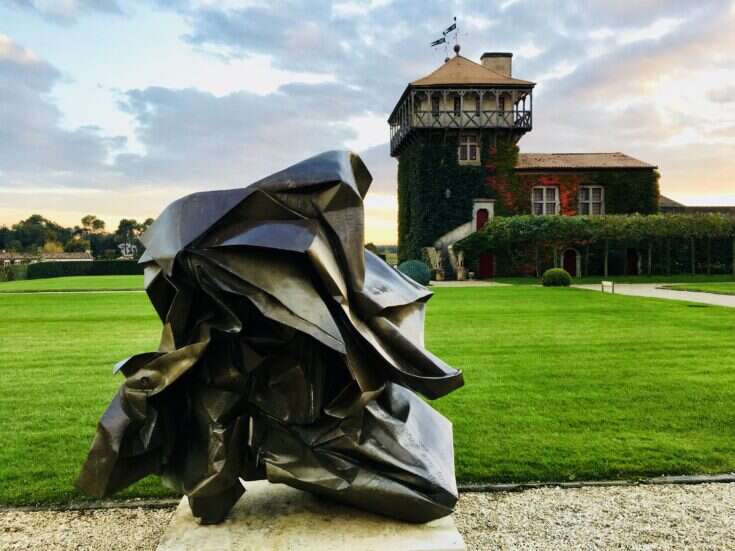
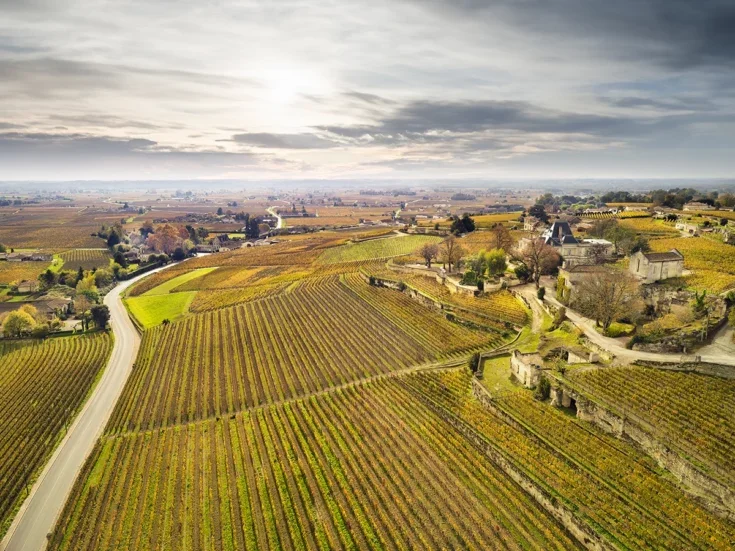
Not all of Beaujolais’s domaines have been passed down from one generation to the next. The level of Burgundian investment in the region, particularly in Moulin-à-Vent, has been of such a proportion that a significant number of Beaujolais properties are now owned by producers of the calibre of Thibault Liger-Belair, Domaine Michel Lafarge, Domaines Albert Bichot, and Domaine Louis Boillot. Other wineries are owned by newcomers to the region that include American expats, small-scale Australian négociants, and big names from the northern Rhône (most notably the Domaine de Fa, which is owned by the Graillot family), while Christian Seely, managing director of AXA Millésimes, has an interest in the Château des Moriers. The vote of confidence in Beaujolais from such big hitters can only serve to enhance the region’s reputation.
Just as excitingly, there are analogies to be made, I think, between Beaujolais’s recent history and the Swartland 20 or so years ago. Back then the South African region didn’t register as a blip on the world’s wine maps; most of its vineyards were dedicated to bulk production. And yet Swartland was a diamond in the rough. A handful of young producers, priced out of more prestigious wine farms in areas like Stellenbosch, recognised the inherent possibilities of this neglected region. Swartland’s geological complexity and its acres of old vines proved a compelling—and reasonably priced—attraction. Those young producers are now widely considered to be among the country’s foremost pace setters, while the wines they make are among the most sought-after bottlings in the Southern Hemisphere.
Similar elements have exerted a strong draw for a dynamic generation of young winemakers who have now settled in Beaujolais. The region’s crus are a treasure trove of venerable bush vines, many of them 80 years old or more. I’ve heard producers referring to vineyards planted 30 years or so ago—an age that would see them boasting the term Vieilles Vignes on their labels elsewhere in France—as ‘les jeunes plantiers’, the young plantings. And although the stereotype of Beaujolais suggests that the crus are dominated by pink granite soils and the south by limestone, the region has so much geological diversity—more than 300 different soil profiles—that it was awarded status as a UNESCO Global Geopark in 2018. When you factor in the hilly landscape, which affords both diversity of altitude and exposure to Beaujolais’s vineyards, you begin to see that complexity is built into the region. It remains to be seen whether any of the newcomers to Beaujolais will become cult figures in the mould of Eben Sadie or the Mullineuxs, but all the raw material to enable them—or their local confrères—to do so is present.
Content from our partners

One final element has the potential to help blow the new spark of excellence in Beaujolais into a flame that lights up the staid world of fine wine. The spiralling prices now charged for the crus of the Côte d’Or have created a gap in the market for a more affordable source of light-bodied, refreshing red wines that can age into elegant complexity—a gap that Beaujolais is ideally placed to fill.
It’s too soon to say that everything in the Beaujolais garden is coming up roses. The total vineyard area in the region falls with every passing year, while the low prices of even the very best Beaujolais cuvées fail to provide enough of a profit margin to tide producers over in tricky years. But for those of us who love the region, if you look hard enough, there are enough green shoots to suggest that a season of rebirth may be on its way soon.
The Wines of Beaujolais by Natasha Hughes, part of The Classic Wine Library series published by Académie du Vin Library, is already available in the UK for £35, and will be published in the USA and internationally in November.


