In the second part of her coverage of the 2024 Burgundy vintage, The World of Fine Wine’s Burgundy critic Sarah Marsh MW delivers her detailed assessment of the region’s villages, crus, and lieux-dits.
2024 Burgundy: The summer of tough love
Villages on the Côte d’Or
Côte de Nuits
Marsannay to Gevrey-Chambertin
Edouard Clair in Marsannay, who has vineyards stretching from Marsannay to Savigny, recalls that the rain was worse between Gevrey and Marsannay, and others agreed. There are still, though, pretty red and white Marsannays, albeit with modest intensity, while Amalie Berthaut at Domaine Berthaut-Gerbet shows that with a careful approach it was possible to make refined Fixin this vintage. Her wines are a great advocate for the still largely untapped potential of the village.
Related
Given the heavy pressure of disease in Gevrey-Chambertin, it is unsurprising that the quality and style of the village wines are very mixed—light and often quite weedy from below the village, with rather better examples from above the main road. There are good examples from Bruno Clair and David Duband, and Amalie Berthaut has a cracking wine largely from Combe du Dessus.
The premiers crus from the Combe de Lavaut showed well—perhaps because the vines face slightly south and also benefited from the dehydrating wind from the combe. Estournelles and Poissonots are sweet and ripe, straight-line, of course, but with an almost-dried-cranberry intensity. Domaine du Couvent’s La Romanée is both sweet and rapier. This cranberry sweetness is shared with Lavaut St-Jacques, which hasn’t the whiplash of a cold vintage. Generally, the acidity is quite low, although when the grapes were picked too early, the wines in this group can be tart. Moving around the hill, Cazetiers has more depth and is rather good; the shape is channeled and straight, and the wines are savory and sapid rather than sweet. Champeaux is fruity and exuberant. The premiers crus neighboring the grands crus seem less exciting and/or the tannins can be a bit robust. Clos Prieur is a safe bet for a soft and easy style, while samples of Petite-Chapelle felt rustic.
Perfect ripeness for Chapelle-Chambertin is always difficult to achieve. Lying above the fault on a thin soil over limestone, it quickly overripens in a warm vintage, while in 2024 most of the wines felt too bony and angular.
Content from our partners
Latricières, which gets the draught of Combe Grisard, expresses a similar style of sweetness, elegance, and direct line as the Combe de Lavaut premiers crus, albeit with far greater intensity, and it is among my favorite grands crus this year. Grand cru Ruchottes is stylish, too. It is savory and sapid, but the austere frame is draped in a light, silken, red-fruit layer, and with lower acidity, and less intensity, it is more forthcoming and accessible than you might expect.
There are some very good examples of Charmes-Chambertin, which is less of a fruit bomb than in hot vintages, and careful use of whole-bunch can increase the airiness, aromatics, and complexity. The more rustic character of Mazoyéres, however, is exposed by this slim-textured vintage. The contrast is most apparent at domaines where the wines can be tasted side by side.
Domaine Armand Rousseau has blended grands crus Ruchottes and Mazis, which will be labeled as Premier Cru Cuvée Mazottes. Cyrielle hopes to avoid speculation on this one-off blend and will probably distribute it with some bottle age “to trusted restaurants who don’t have the space to age wine and will not charge more than twice what they paid for it.” She wants as many people as possible to try this unique blend of grands crus, which seem to complement each other well.
Clos de Bèze has greater depth of texture than the other grands crus of the village. Velvety tannins combine with rather luscious fruit for the vintage and tighter, but still softish, acidity, making it most forthcoming. Chambertin is more reserved; it can be sleek and poised but without quite the fabulous finish one expects. Clos de Bèze is as good if not better. This year Domaine Armand Rousseau blended parcels of Clos de Bèze with Chambertin. (Appellation law allows Bèze to be labeled Bèze or Chambertin.)
Morey-St-Denis
Village wines from under the forest are light, floral, and delicate, sometimes really quite intense. Good examples include Rue de Vergy from Bruno Clair and Perrot-Minot. Ponsot’s Cuvée des Grives simply fizzles with energy. Most of the village parcels that lie below Morey have produced light and somewhat rustic or indistinctive wines.
The premiers crus are a good deal better and show terroir distinction. From the slope, Les Chaffots and Mont Luisants are super-straight, racy, laced with cold minerals and quite austere. Moving to the warmer microclimate below the Route des Grands Crus, Charmes is fruity, soft, and supple, while just below, Aux Cheseaux, where there is limestone, is straight, edgy, and salty.
Premiers crus from deep and quite complex clay-rich soils, with washdown from the grands crus—Les Millandes, Clos des Ormes, and Clos Baulet—are rounder, warmly spicy, and fruity. Domaine des Lambrays makes a premier cru blend of La Riotte, Blanchards, and Le Village called Les Loups, which is representative of the deeper soils. It’s a shame that some producers have blended lieux-dits in 2024. Morey, among the principal Côte de Nuits villages, has yet to establish fully the individuality of its premiers crus.
The group of premiers crus on the Chambolle side—Les Ruchots, Bussière, and Les Sorbè—generally seemed rather less distinctive and exciting, but Lambrays’ Clos Sorbè has more personality, with some concentration underscored by sapidity. “The density doesn’t hide the pleasure and the perfume. I see it as one of the top premiers crus in Morey,” remarks Jacques Devauges. David Duband and Domaine des Lambrays are the principal owners. David Duband’s version is lighter and more delicate.
Morey has a clutch of high-performing grands crus this year. Clos des Lambrays was among the best. Clos de la Roche has exotic, purple aromatics and is rather straight on the palate, without quite its trademark grip and firm structural backbone, although whole-bunch emphasized the aromatics and boosted the impression of volume. Fine examples from Cyprien Arlaud and David Duband, while Ponsot’s austere Clos de la Roche shows the most typicité. While Clos de la Roche is good, Clos St-Denis is better—most apparent tasted side by side. It is more Cistercian, pure, and refined, and stretches into a persistent, salty finish.
Morey is probably the village that most impressed me in 2024.

Chambolle-Musigny
At best, Chambolle is light and delicate, with pretty red fruit underscored with salinity, but these were rather too few and far between. More often, the limestone soils and skinny frame made Chambolle wines a little too strict and somewhat rustic. Stems just accentuated the angularity and gave unattractive bitterness on the finish. Village wines can feel thin and mean. Others were both sweet and green. Lacking substance, even premiers crus were easily dominated by new oak. I found there was too much extraction, which accentuated the bitterness. Producers outside the village were the worst oak offenders. Where there were alternatives, I have not selected many Chambolles in my tasting notes.
Rain and mildew were worse on the south side of the village, affecting Amoureuses, Musigny, and over into upper Clos de Vougeot and northern Echézeaux. Bonnes-Mares had nearly 4 inches (100mm) less rain and yields were more generous, but the wines from Bonnes-Mares are not. Compared with Clos de la Roche or Clos St-Denis in the same cellar, they fell short. Straight and dilute, lacking stuffing and length. Sorry to say, Bonnes-Mares were among the most disappointing grands crus in 2024.
There is not much Amoureuses—even De Vogüé made just three barrels of savory, sapid wine from its remaining parcel on a ledge of Comblanchien limestone below Musigny. Comte Georges de Vogüé is a standout domaine this vintage. Jean Lupatelli has produced wines of depth and intensity, which have enough substance to carry 30% new oak. All was destemmed. Collectively, there is very little Musigny in 2024, but as the largest owner (with 7.2 of the total 10.77ha [17.8 of 26.6 acres]), De Vogüé made 24 barrels from 8hl/ha. Some 17-year-old vines are declassified to an excellent premier cru that has steadily gained presence over the years—just two barrels, as the 25-year-old vines graduated last year. Musigny Blanc is also impressive and scored highly.
Vougeot, Flagey-Echézeaux, Vosne-Romanée
The sumptuous texture and body of Vosne wines is missing, but there is a level of aromatic ripeness not evident in wine from the surrounding villages. The village wines are perfectly pleasant, showing plenty of red fruit. They are light and often quite silky in texture, but without much generosity, energy, or personality. (Barreaux is the exception.) As a group, however, they are more appealing and consistent than the other Côte de Nuits villages.
Premier cru Chaumes is thin and light, but better premiers crus can have exotic aromatics. Some Beaumonts have a sunny, warm-spice aroma. This perfume bestows an aromatic fullness to the palate of Vosne’s premiers crus, partially compensating for the depth and matter of a better vintage.
Brûlée ranges from light and delicate, to slightly stern, but there is substance and freshness. Beaumont seemed less well-defined and consistent in style and quality, but the best, as from Domaine des Lambrays and Hudelot-Noëllat, show streamlined elegance.
Reignots and Petits Monts are among my favorite Côte de Nuits premiers crus. On the slope, the sandy textured soils bestow chiffon finesse. Petits Monts delivered with precision, filagree texture, and some intensity in 2024, while Reignots, at the time, didn’t show the same clarity and length. Malconsorts leans into its perfumed and elegant side rather than body and richness.
There is big step up in depth, substance, and persistence to the Richebourgs, although this depends on the level from which you are stepping. In a good vintage, all Richebourgs are pretty impressive. In 2024, not everything I tasted fully captured the gravitas of the terroir, and the same might be said for Romanée-St-Vivant.
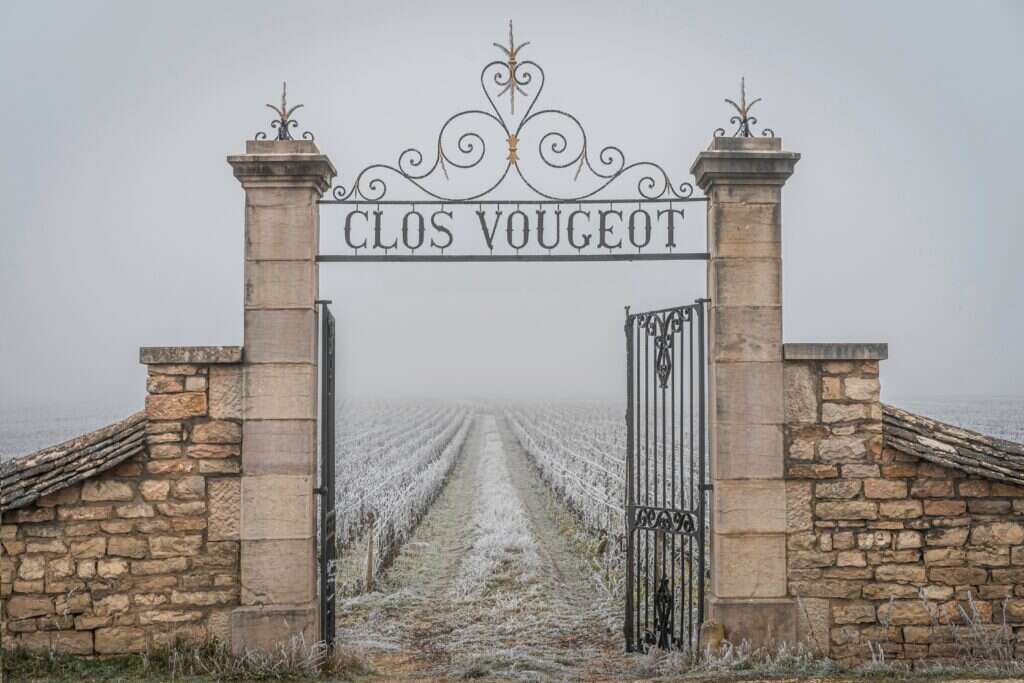
I struggled to find Clos de Vougeots to recommend. There’s just insufficient punch, density, and power in most. Some producers didn’t make a cuvée because the yields were too low. Even those from the best lieux-dits feel hollow on the mid-palate, and those from the lower section are just soft and fruity. There’s no hiding this with new oak. They lack definition and decisiveness. Young Paul Cheron took the plunge and did some extraction— which paid off from Domaine du Couvent’s parcel at the top on the Vosne side, made with 50% whole-bunch. Clos Vougeot Grand Cru Aux Origines is sturdy bruiser, but better that than a wimp.
For Echézeaux—such a large and diverse grand cru—it’s best to follow your favorite producer. A good producer in 2024 is likely to turn out a flowing, streamlined, satiny wine, even from a lesser lieu-dit, while a lesser producer may struggle anywhere. The exception is En Orveaux, which has been delightful in recent vintages but lacks form in 2024.
Nuits-St-Georges
Village wines can feel dilute; light at best, with easy charm. From village parcels Les Hauts-Pruliers and Vallerots, at the top of the slope above premiers crus Pruliers and Vaucrains, Axelle Machard de Gramont has produced finely textured, bright, and nervy wines that are much more joyful.
Quality and typicity for premiers crus are rather random. Most were instantly forgettable, but among these were a few standout wines—so good, they were highlights of the vintage. Richemone from Domaine des Lambrays and Perrot-Minot; a racy Aux Cras from Louis-Michel Liger-Belair; Jean Chauvenet’s gliding Vaucrains; Thibault Liger-Belair’s sophisticated Les St-Georges; Domaine de l’Arlot’s the pure and crystalline Clos de l’Arlot. “The Burgundy style is here. We do not have too much alcohol and concentration and no aggressive tannins. Very drinkable and pleasant,” remarks Géraldine Godot of Domaine de l’Arlot. If only all 2024s were as good.
Côte de Beaune
On the Hill of Corton, only the sweet spot of Le Charlemagne made grand cru of proper depth and intensity. Low crops yielded good concentration…but not all climbed the podium. It was a challenging year for Chardonnay to reach full ripeness at the top of the slope on the east-facing side, which loses sun after the morning, and in En Charlemagne on the north/west side. The wines can be elegant, light, breezy, and saline… or just a bit lean and green or even diffuse. As for the grand cru reds, Corton at best is light, and even Clos du Roi is slight. There would be no point in writing more.
Beaune
From Beaune there is welcome freshness and energy in both colors. The reds have appealing juicy red fruit and are modest in body and tannin. On the north side of the appellation, the premier cru reds, including Marconnets, are perfectly pleasant for earlier drinking: fluffy, lightly structured, and smooth.
I wish I were more excited by Grèves, my favorite climat in Beaune. As ever they are among the best of the appellation. There’s decent depth, but for now no pizzazz, with the exception of Bouchard’s L’Enfant Jésus. Teurons showed good concentration. Steep, thin limestone terroirs, notably Teurons, which catch the sun, are quite ripe and concentrated in 2024, but there’s also freshness and mineral tension. The same can be said for some Les Aigrots, which is a large climat, including a steeper section.
There are so many different interpretations of Aigrots; many whites have the richer, fuller feel of classic Beaune whites, including exotic aromatics, but they are underscored with sapidity, as are the fruity reds, which have quite crunchy tannins. Beaune is rarely notable for acidity, but in 2024, sapidity and minerality provide balance. As Frédéric Weber says, “You have to be careful with Beaune to protect the freshness.” But this year, this Beaune has a fresh and more delicate feel. Bouchard’s Beaune du Château in 2024 benefits from this lightness.
Pommard
It’s possible to find appealing wines in both Pommard and Volnay in 2024. It was not too hot for Volnay, nor too cold for Pommard, and the north wind helped to dehydrate and concentrate the fruit. In Pommard, the Beaune side had more concentration but also silkier tannin than the Volnay side, and generally, the wines were more successful. From Epenots rising up the slope to Pézerolles to village Noizons, this section was the most consistent and pleasing for the ripeness, fine-textured tannin, and overall elegance. They slipped across the palate with a lightness and ripeness inconceivable from such a challenging wet vintage 20 years ago. Charmots has lively sapidity and the darker, fuller Refène is fresh. I particularly liked the silky, suave Epenots from Château de Meursault and a delightful Noizons from Sébastien Magnien. Although Noizons is a village climat, it can challenge some Pommard premiers crus. Among the latter, Pézerolles stood out; Charles Ballot has a lovely expression of it.
On the other side of the village, the premiers crus can seem a little dilute. Usually this is where the more substantial wines come from—the Rugiens / Fremiers group—but it was necessary to tread cautiously with extraction not to get green tannins, and hence the wines can lack textural luster. I had light, red-fruit, supple Rugiens, which stopped well short of its punchy and vigorous profile. Premier cru Chanlins is rather too slim and the village wines upslope become positively lean. I would avoid Vaumuriens from any producer. I had better luck with the village wines from below Pommard, from Les Cras to Les Perrières (another good example from talented young Stéphane Magnien), where the style can be engagingly fruity and the tannins smooth or indeed crunchy and fresh.
A word of caution: A foray beyond the top-end producers revealed some pretty rugged, rough Pommard from producers who have benefited from warmer vintages but have not changed their approach or sorted sufficiently. They are exposed by this vintage.
Volnay
In a hot vintage, Volnay can become a caricature of itself—too plump, generous, and come hither—while in cloudy 2024 it is slimmer and more refined in texture. The tannins are ripe and gentle. The vineyards on the slope of Volnay’s convex hill benefited from the August and September sunshine and are infused with summer fruits, raspberries and red cherries.
Caillerets’s limestone, sun-reflective, stony soil suffers hydric stress in a dry year but benefited from its well-drained soils in 2024. It was easy to reach good phenolic maturity, resulting in super-silky tannin, and there’s a touch of salinity from the limestone. It avoids the jammy fruit and texture of warm vintage. In 2024 it is lacy, precise, and refined. Lafarge has an exemplary rendition. Above this, Clos des Chênes is energetic; crispness coupled with savory minerals and crunchy tannins. I like it best when it’s terse and grippy. It misses some of the limestone austerity, but it’s more forthcoming. Nice, but not exceptional. Nothing to frighten the horses. Taillepieds is crisp and fruity, but a little light. Sliding down the scale, Mitans is easy, fruity, and soft.
It’s important mention, though, that there are quite tart Volnays that lack substance. Who wants a sharp Champans? And I had a few. In 2024, don’t expect the usual structure from Santenots, either; they waft rather than swagger, but I liked everything I tried, particularly those from the top of the climat where the soil has more limestone. These delivered finer textured, quite light-bodied Santenots, with a mineral touch. Darviot-Perrin has a good example.
Village Volnay is easy-going, with plentiful, juicy, red fruit and light tannins. To enjoy young. Not as interesting as the best village Pommard I tried, but definitely more consistent than Pommard’s village wines and better than the worst of Pommard’s offerings.

Meursault
No full and rounded Meursault in 2024. They are generally straight, quite light, and as previously mentioned, can be super-salty. Although atypically linear, they benefit from feeling excitingly intense and focused, with cut-glass finishes. Meursault 2024 is a joy. Over the past decade many producers have steered away from bâtonnage and high proportions of new oak, and I was delighted to find producers who have not chaptalized, even in 2024, content with 12.5% ABV. Increasingly, the “traditional,” fuller style of Meursault is rooted in hotter vintages, where the ripe fruit and viscosity is natural.
There are village wines from low-lying parcels that have tropical aromas, but the palate is light and only gently rounded. The “deuxièmes crus” deliver both more finesse and more intensity, although some from the top of the slope have lightly green notes. Les Clous, which faces east, tipping northeast, is always last to flower and to be harvested, as it’s cooler here up by the forest. 2024s are quite herbal, fresh, and racy. There are fine, light, and saline Vireuils; lovely examples from Pierre et Louis Trapet and Dugat-Py. Ben Leroux’s Narvaux, from the highest parcel in this climat, is bright and breezy, while Narvaux Dessous and Tessons have more density; Narvaux is on the lighter side, the muscular minerality reined in. Similarly, Tessons is slimmer and less glossy than usual in 2024. Stéphane Magnien has made a breezy blend of Tessons and Vireuils.
The three principal premiers crus are super-precise. Charmes shivers this year; a straight and cool expression. The wines are more delicate, fined-boned, and saline than usual. Dessous wines are perfumed with white peach, while Dessus are crisply edged, chalky, flighty, and so precise.
Genevrières also has a fine line; the floral notes are white, maybe lightly pink, but airy, with petal-like finesse. The core of the palate is intense and can be quite steely. Perrières is also linear and racy. Here there is channeled power. All those I tried were a step up in intensity and finished with assured, savory persistence. Just loving this salty Meursault trio.
Bouchères is lightly rounded, and some wines have candied lemon fruit, but all are light-bodied. Although Bouchères is a warm climat, there was little chance of overripening this year. I liked the pithy, super-savory whites from Santenots, Caillerets, and Cras. On the other side of the village, Blagny Sous le Dos d’Âne and the sweeping La Pièce Sous le Bois (Lamy-Pillot and Chapelle de Blagny have made cracking red wine here) caught the September sun. Candied citrus fruit combines with steely minerality. From the cooler Ravelles, tucked under the wood, a cucumber-cool, high-wired style from Michel Bouzereau and Chapelle de Blagny, which has produced delightful 2024s from around the hamlet. This style carries into Puligny Sous le Puits and Garenne. These 2024s are straight as a die.
Puligny-Montrachet
Champs-Gain from the south side of the village, is light and pacy; rounder and riper on the Blagny side, especially at the bottom of the vineyard near Truffières, which has more depth and a touch of greengage fruit cut with acidity: super-approachable. Champ-Canet in a hot vintage is exotically aromatic (albeit airy), while in 2024 it is more floral, lacy, and precise, which I prefer.
The village wines can be quite acidic and terse, or bright, fizzling, and zesty, or just a bit innocuous. But as a group they are generally light. (The village parcels cluster around the village on the flat, with the exception of Trézin upslope, from which Marc Colin has a breezy example.)
This sets the picture for Puligny: light and linear, with a marked, lime-like acidity and lime-zest, pithy bitterness; light, but not without intensity. There are good Folatières, with the ripeness to wrap around the spine of acidity and minerality. From the middle of the climat, above the rocks, Sébastien Magnien’s Folatières has a firm, mineral core. There can be depth and intensity from Folatières Au Chaniot, but it is a large vineyard and quality varies, with some samples slim, green, and lacking substance and length.
I had Pucelles ranging from super-silky, to lean and unforgiving. While Meursault and Chassagne tolerate, indeed benefit from, sharpening their style, Puligny’s naturally rapier profile can tip toward lean and even severe, not always with the substance to balance. Most wines, however, will have time to enrich on their lees. Although there wasn’t much evolution in the four months between my tastings in early June and late October, many will have until next spring.
Les Caillerets showed a significant increase in quality and consistency over the other premiers crus—compact and savory, and I generally preferred it to Bâtard.
Grands Crus
It’s always more pleasing to have an overperforming premier cru than an underwhelming grand cru. Bâtard, which in 2024 is a thinner version of itself, can lack a little substance; a little too trim. The best examples, however, balanced this with a certain athleticism.
Chevalier didn’t disappoint. I liked everything I tried. Certainly, a lighter, slimmer version than that of recent years, but this becomes it well: fine-boned, but so stylish. It carries on an intense and rapier line and finishes icy and saline. Bouchard Père et Fils have two different expressions from different parts of the vineyard: La Cabotte, a parcel right above its Montrachet vines, and Chevalier-Montrachet tout court from the higher terraces. Frédéric Weber recalls, “I really had to wait for proper ripeness, and finally it arrived with the north wind, which concentrated the fruit.” The grapes were picked on September 20 at a natural alcohol level of 12%.
There’s nothing rich about Montrachet this year. There is concentration, but the profile is lithe and focused, although when the grapes were crushed, the wine can feel a bit green.
Chassagne-Montrachet
I really enjoyed the whites from Chassagne-Montrachet. You will find occasional tropical aromas coupled with a slim and trim structure. Chassagne benefits from lighter alcohol and texture, which brings refinement and elegance. Maybe Chassagne is the village that impressed me most this year, but it’s a close-run thing with Meursault.
The village wines are quite slight, pleasant, and fresh, citrus and sometimes peach, lightish bodied, and very pleasing for early drinking.
The vintage highlights the prettiness of the premiers crus on the north side of the village, where Les Chaumées is floral, zippy, light, and linear, and Les Vergers is equally consistent, with slightly riper tangerine and orange blossom, floating on a light silky palate. This side of the village, with its naturally lighter structured wines, benefits from lighter alcohol at 12–12.5%, as higher levels can mask their delicacy. Gregarious, juicy, and fruity Chenevottes, occasionally with a tropical note, also benefits from being lighter, showing greater refinement in 2024.
The warmer climats in the middle of the village can show riper fruit. Maltroie has greengages, with a bit more body, to boot. Champs-Gains is always a bit loose and friendly, and this year is no exception. From the south side of the village there are stand out whites from En Virondot (Marc Morey) and Grandes Ruchottes (Benoit Moreau and Fernand & Laurent Pillot). As Sabine Mollard remarks, “When it’s hot and dry, Virondot gets stressed. When it’s colder and rainy, it’s better.” Both climats catch the sun and can be exotic, but in 2024 they combine richness with a lively line of acidity.
Just below, in Petit Clos, you will find ripeness with lightness, underscored by chalky minerality. The Morgeot cohort, on more limestone soils, including Francemont, are really rather elegant, precise, and streamlined in 2024.
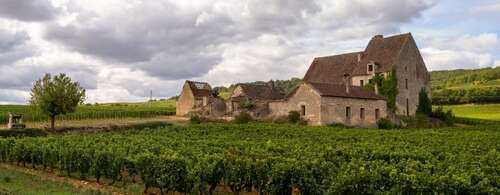
Where the lieu-dit is declared on the label, it’s not permitted to use Morgeot. Many producers (helpfully) ignore this. Others simply label their wine as Morgeot. It’s a shame not to declare the exact terroir, but it’s easier to market a Morgeot than a lieu-dit. Many producers have more than one parcel in Morgeot and choose to highlight just one lieu-dit, blending others into a Morgeot cuvée.
Fernand and Laurent Pillot’s Morgeot cuvée is from Petit Clos, which I prefer this year to their Boudriotte from the lower section of that lieu-dit, which has more clay. Morgeot on clay in 2024 is satisfying but generally feels less intense and vibrant than from limestone; whereas in hot vintages, the clay soils retain freshness and can sometimes show more favorably. I particularly liked Benoit Moreau’s Fairendes and Cardeuse—taut, mineral, and refined wines, both of which are on more limestone.
The vintage highlights the sapidity of some premiers crus; Caillerets is as channeled and straight as Vide Bourse is broad, but both are less fruity and more savory than in a warm vintage. It really is a rather good vintage for Chassagne whites.
No longer a one trick pony, Chassagne turned out some very pleasing reds, too. Producers who extracted Morgeot super-gently have coaxed red fruit and charm from their grapes. Bruno Colin and Sébastien Caillat at Remy Lamy-Pillot are adept at this, while Benoit Moreau has a remarkably floral, silky Cardeuse as well as a bright and crunchy village Chassagne. Admittedly, village-level Chassagne tends to be rustic, but to produce such wines in a wet vintage illustrates the enormous improvement in Chassagne reds over the past decade.
Monthelie, Auxey-Duresses, St-Romain, and St-Aubin
The quality in the smaller villages is more variable. Not everything felt totally ripe for whites as well as reds, and some wines lacked sufficient stuffing to balance the fresh acidity, leaving that acidity sharply exposed. Where ripeness and body were missing, bâtonnage was a useful band-aid to fill out these modest whites.
In hot vintages, the northerly facing slope in Auxey-Duresses (lieux-dits La Macabrée, Les Hautés) has frequently outperformed expectations, but in the wet and cloudy 2024 I wouldn’t venture beyond the premiers crus from the more favorably exposed climats of Bréterins and Climat du Val for whites, with the notable exception of other wines from Domaine Jean and Gilles Lafouge.
It was possible to make attractive reds from premier cru Les Duresses in Auxey, which has good sun exposure, warmer than the Monthelie section. The structure is greater than the other premier cru, but the tannins are finer.
Generally, producers in Auxey harvest both reds and whites by machine. The best approach for most was to go very softly and produce easy reds. From those who did not modify their extraction, expect rather old-fashioned and bitter reds in 2024.
Domaine Jean and Gilles Lafouge stands apart from the other family domaines in Auxey-Duresses—not just the front-runner for Auxey-Duresses but competing with good domaines from the grander villages. New-generation Maxime is innovative in the winery, maximizing the potential of his terroir, and has made precise, terroir-driven whites and reds from Auxey and some tip-top Meursault village wines, to boot.
In St-Romain I enjoyed Sous le Chateau, more so than in hot vintages. In smaller terroir, the concentrated richness from super-sunny slopes can overpower their structure. The balance is better when it is not too hot.
In St-Aubin, the best whites are pretty, delicate, and fresh. There are good examples from village parcel Pucelles and premier cru Le Charmois, which continues from Chassagne’s Chaumées in vines and style. The lightness of this vintage can reveal the terroir on south-facing slopes and plateaus, while in a hotter vintage they can become too exotic. There is an excellent En Remilly from Benoît Moreau. But it is clear that some producers struggled to ripen En Remilly and Sur Gamay, for some wines are grassy, lean, and sharp.
Damien Colin (Domaine Marc Colin), who has eight premiers crus in St-Aubin, has produced delightful, light, and lucid wines with no chaptalization (11–12%) and very little new oak, including a precise and silky En Remilly. “Pure, elegant, and fine,” as he said. “For the style of the domaine, it is a very good vintage.”
Santenay and Maranges
Maranges had to contend with hail, which affected the flowering of Pinot Noir, depleting the potential crop even more than the mildew. Pinot yielded concentration, plentiful tannin, and relatively soft acidity after the MLF, because the malic component was high. There is a cool line of chalky minerality from limestone soils, well-illustrated by Chevrot’s Maranges Les Clos Roussots and Fussière, the latter light and silkily graphite, as is Bruno Colin’s. “Reds are a good surprise. Not a very ripe vintage, but there is fruity Chassagne and Santenay with light tannins,” remarks Bruno. Pablo Chevrot finds the reds are improving during élevage and revealing more and more of their terroir. He was tempted to blend his premiers crus, but is glad now that he held off. Santenay has turned out pleasing Gravières in red as well as white. Domaine Jessiaume has good examples, with a good village white, Clos du Clos Genet, as well.