


As Vagabond prepares to open the UK’s largest urban winery, Clemmie Trott asks what it is about winemaking within city limits that has so captured the imagination of a new generation of wine drinkers.
From my corporate desk in London, the world of wine production feels very far away; a countryside idyll of stained feet and hands. Yet, not 15 minutes away, grapes are being processed and pressed for wine.
Urban wineries have long existed—from our grandparents making wine in the boiler room to larger-scale prohibition era home-brewing. However, the wineries emerging today in urban spaces across the globe are not just making the wine industry available to urban dwellers. They are challenging the wine world’s notion of how a good wine should be made.
“Urban wineries offer a different lens on what defines great wine. Without the same structural limitations as a traditional winery, we have more freedom to innovate,” argues Christobell Giles, MD at UK wine bar chain Vagabond, which, having been one of the pioneers of the concept in London at its venue in Battersea Power Station, is opening what it says will be the UK’s largest urban winery in Canada Water later this autumn.
Related
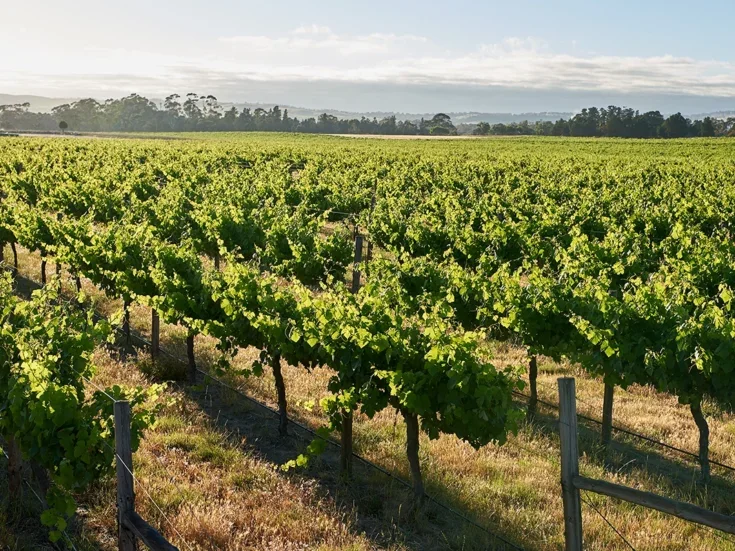
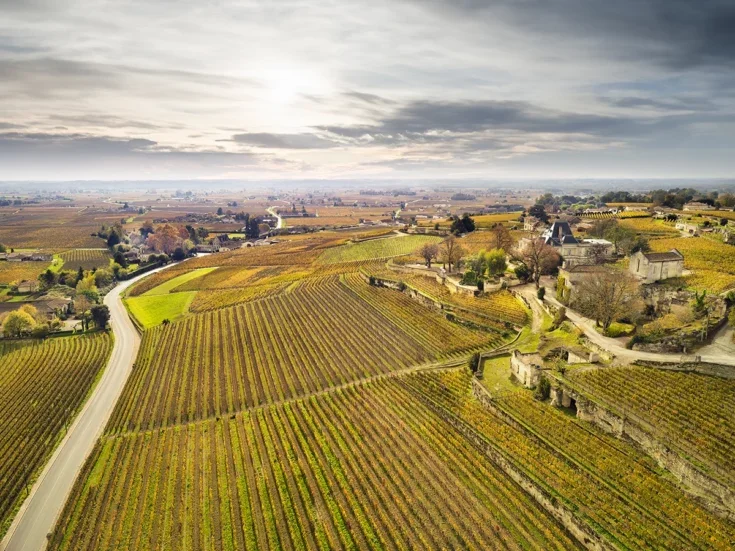

Many vineyards pride themselves on the speed at which they process their grapes; the history of the attached family, house, or titles of their wines; and the “farm-to-table” approach of producing wines from grapes grown on site. In direct contrast, the concept of urban wineries relies on a grape being flash-frozen, transported (comparatively) long distances, and bottled under a different name and by a different hand to that of the vineyard. Whilst the process feels slightly alien, it doesn’t not make sense in this increasingly urbanized world.
From Hong Kong to Brooklyn
I first heard of the concept from my parents when The 8th Estate came to Hong Kong. With even more of a “lab-grown” feel than many of the urban wineries in the UK, the grapes were flown in from France, the US, and Australia, to be vinified by temporary winemakers brought in for the occasion. For Hong Kong, a city fed by 90% imported food, where local vegetables are grown under artificial light inside skyscrapers, it was not that strange an idea.
All megacities are like Hong Kong in that they lack the space to grow grapes, on a large scale, within their own bounds. But, some differ in the fact that they are surrounded by plenty of arable farmland on which grapes can be grown. Urban Winery Syndey sources all its grapes from New South Wales, Red Hook Winery Brooklyn works exclusively with grapes from New York State, and all grapes used by Vagabond London arrive on site after less than two hours of travel, no flash-freezing necessary.
Content from our partners


Vagabond

I was first taken to a Vagabond wine bar in Fitzrovia by a friend, before going to the Battersea Power Station venue the following week. Both were full of young people taking advantage of the opportunity to sample varied and exciting wines by the glass. The self-service, vending machine-style system allows the more ruminative of customers the chance to peruse details and tasting notes for each wine on display, of which there are over 100 in the Battersea branch, including, of course the wines produced at the urban winery itself. “You can taste a splash of top Burgundy, a cult orange wine, or one of our own award-winning Vagabond wines—all without any pressure or formality,” says Giles.
It is not just the variety and quality of wine on offer that appeals. There is something highly attractive about knowing the origin of the products we consume. That is why we go to farmers markets, buy eggs from road-side honesty boxes, and visit breweries or vineyards on holiday. But, whilst we are city-based, an urban winery connects the distant rural production cycle to our urban consumption. And it is not the only urbanization of ancestral crafts that is trending: the rise of urban farming stands out as another. The wish to eat local produce, support local farmers, and decrease our impact on the environment has bred the perfect market for an idea such as the urban winery.
Vagabond is rising to meet this demand: “We are building our new winery in Canada Water to be a space where people can see the winemaking process up close, meet our winemaker José, taste wines in progress and gain a better understanding of how wine is made,” Giles says.
Climate considered
I was interested in how far the concept of urban wine could go. As we are all aware, the extreme temperatures and weather conditions that are increasingly affecting our planet are also causing immense problems for wine producers. Since urban farming creates more stable conditions—through providing automated light, shelter, and irrigation—could the same protection not be extended towards grapes? Of course, urban wineries are not responsible for the growth of the grapes, only what happens after, yet I was interested in what someone in the industry would have to say on the matter. “Urban wineries are not a catch-all solution, but they are an important tool in making the industry more resilient,” is how Giles responds. “Being able to source from a range of growers allows us to adapt more quickly to seasonal changes and shifting weather patterns. As climate pressures grow, that kind of agility will matter.”
Our modern issues require modern solutions; how long can we hold on to the romantic notions of traditional winemaking? Urban wineries are not only encouraging young people to get involved with the world of wine, but will perhaps help illuminate ways to protect the industry as it faces increasing challenges. I, for one, will continue to support our local farmers and businesses, and take advantage of the opportunity to sample these fine “urban” wines.


