2024 Chablis: A vintage of charm, vivacity, and salinity
2024 Chablis, domaine by domaine
DOMAINE BESSIN-TREMBLAY (LA CHAPELLE-VAUPELTEIGNE)
Antoine Bessin tells me that Chapelle Vaupelteigne had no fewer than five hail events, although the worst by far came on May 1, when hailstones “the size of cherries were falling from the sky. All the vines were devastated.”
“The hail in Chapelle-Vaupelteigne, Lignorelles, Villy, and Maligny was the worst in Chablis area. It caught Fourchame. All the parcels there were affected.” He points out there was also a 35% difference in rain between the north side of Chablis and the southern Courgis sector.
Related

“A month of rain in June and the flowering was affected, then some flowers that were left aborted. We apply biodynamic practices, but in 2024 we had to use two fungicide sprays.” This saved the leaves, so it was the best outcome in a difficult year. Antoine points out their vines are probably stronger than conventionally managed vineyards, as they have been following biodynamic practices since 2017, albeit not certified. They managed in 2021 to hold fast to their biodynamic approach, but not in 2024.
“We stopped in the middle of harvest to ensure we had sufficient ripeness in some plots. We used an average 0.4 of sugar so all the wines are about 12% ABV. There was higher malic acidity than recent vintages, but the total acidity is not so high. The 2024 has less body, so the acidity seems higher in relief. Higher acidity and less maturity than 2021.”
“In some of the Chablis parcels we had 2hl/ha, while in Montmains and Forêt we had 17hl/ha. No hail there, but that month of rain in June affected the yields.” They will blend Forêt and Montmains under a Mountains label. I tasted both components, which are aging separately, and they had strong cru identity; Montmains fruitier and Forêt straighter and more mineral, so they will complement each other. And it will be easier to make the allocations.
Content from our partners
“It is not the only year we have had 100% oak on a cuvée, but its is the first year we have it on all the cuvées except Chablis, which is 50/50. This year, you may taste the oak.”
During élevage, wine is changing all the time; sometimes reductive, at other times more oxidative. After tasting the representative blends, I then tasted individual barrels; a few smaller barrels were in an oxidative phase, which was noticeable in the blend. Antoine knows what he’s doing, however. He was an industrial pharmacist, specializing in the chemistry of natural products and practiced in green biotech, directing a research team before returning to work with his brother at the family domaine. This is a good flight of wine.
“The vintage is more like our grandfather was making. People who like old-style Chablis might be pleased, but it is not going to appeal to everyone.”
Chablis Vieilles Vignes
100% stainless steel. From 35- to 80-year-old vines. The blend was lightly oxidative on the nose. Racy acidity and sharp as a tack, with a touch of minerality. There is a 600-liter new oak barrel from Doreau, which is not too dominant. 2027–29. 85
Chablis Premier Cru Montmains
Succulent and juicy. Fruity mid-palate and more mineral to finish. Quite steely acidity. Sharp mineral to finish. I tasted both components—Forêt and Montmains—and from the 600-liter barrels, they were nice and fresh. The blend seems more Montmains in style. Wine from a 228-liter barrel made the blend a bit oxidative for now, so a conservative score, but I’m fully confident this will turn out well. 2027–32. 86–87
*Chablis Premier Cru Fourchaume
The hail hit the old vines: 5hl/ha, 1,300 bottles. One Fourchame cuvée only this year. Attractively dense and punchy, with some muscle and grip. Firm backbone of acidity carries into the finish. 2027–32. 88
*Chablis Grand Cru Valmur
A slimmer, more reserved and lighter version of Valmur; rather more polite than the more typical expansive Valmur, which demands attention. A reflection of the cooler side of the valley, but also the vintage. The acidity sits neatly on the palate; it feels very well-balanced and there is a sliver of minerality carrying the finish. 2028–32. 91
DOMAINE JEAN-MARC BROCARD (PRÉHY)
There are 13 properties in the Brocard family spread over 200ha (500 acres). Some are organic and some conventionally farmed. It is easier to manage them separately and therefore “domaine” is not declared on the label.
In 2024, Julien Brocard managed to retain organic and biodynamic status in the vineyards where they are certified, despite what Julien describes as “aggressive mildew that went directly on the grapes, rather than the leaves, and hit very early. It attacked the stems, so we lost the grapes before they grew. It has a big impact on the yield.”
The biodynamic (Julien Brocard line) and organic (part of Jean-Marc Brocard) vineyards were affected to about the same extent. The teas, infusions, and so on had little effect. “Precipitation of 59 inches [1,500mm], versus a normal season of 30–32 inches [750–800mm], concentrated in May and June.” There are normally between eight and ten sprays a year, but this year there were between 18 and 20.
Yields were generally 15–20hl/ha but some were as low as 5–7hl/ha. Because of the hail on the Right Bank, this was more severely affected.
Julien settled longer for a clearer juice, just using cold temperature and time. “We only take the very fine lees—24 hours or more, to have very fine lees.” He chaptalized the wines, apart from Léchet and Mont de Milieu.
“It is cool, fresh, sharp, and dry, and with nice minerality: Classic Chablis, despite a difficult year. It is a surprise to have a wine that will be open earlier as well. It changed after the MLF. At first, it was more aggressive, but now, it’s more complex and attractive.”
Brocard wines are precise. Vau de Vey is a favorite, but there is consistent quality across the range.
St-Bris
Spicy Sauvignon, with earthy notes and a bit sappy. Green peppercorns and minerality to finish. 2025–26. 82
Petit Chablis Les Juenes Terres
Planted from the 1970s. South of Préhy. A lime squeeze of freshness, with a cool, cucumber feel. Pretty Petit Chablis. 2025–28. 83–84
Chablis Sainte Claire
The main village cuvée, from southeast-facing slopes all around Préhy. Planted in the 1970s and ’80s. Just 200,000 bottles in 2024. Candied citrus on the mid-palate. Energetic and vibrant. Mineral to finish. 2025–28. 86.
Chablis Vieilles Vignes de Sainte Claire
Jean-Marc Brocard bought this 3ha (7.5-acre) parcel of vines, planted in the 1960s, when he arrived from St Bris. Deeper and more concentrated. High acidity rips through. There’s density for a village wine, and it’s racy, to boot. Yields were low, at 15hl/ha. 2026–32. 87
Chablis Premier Cru Vau de Vey
Julien finished the harvest here in this cool valley. Aged in foudres of 100hl and 50hl. Ripe, somewhat exotic aromas. Steely acidity. Citrus slice across the palate, and a rapier finish. The old vines (nearly 60 years old) brought the ripeness. Yields were low. 2027–35. 88
*Chablis Premier Cru Butteaux
From thin, 12-inch (30cm) topsoil, at the top of the climat, next to Raveneau’s parcel. 100% Stockinger foudres. Austere, dense, and grippy. Full but straight, this has lithe muscle and tension. Sapid to finish. A lot more complex than the Montmains, which comes from the bottom of the climat. 2028–35. 89–90
*Chablis Premier Cru Montée de Tonnerre
From the Chapelots lieu-dit. Spicy aroma, with black pepper and ground coriander. Grips the front palate. Rather dense and spicy in the middle, but to finish, it’s cold and persistent, underscored with dark graphite minerals. Among the best in 2024. 2028–35. 91
Chablis Premier Cru Fourchaume
Super-spicy, almost exotic aroma, to a really juicy, fruity citrus palate. Energetic and fresh on the finish. Includes a very little L’Homme Mort. It’s straightforward. 2026–32. 88
DOMAINE JULIEN BROCARD (PRÉHY)
This is the Demeter-certified biodynamic range under Julien Brocard’s own label. Every parcel is biodynamic, and all are made in foudres from Rousseau and Taransaud, as well as a 50hl Stockinger cask, with two months in stainless steel before bottling with 30ppm free SO2 under Diam 10, sealed with wax. This Brocard range, launched in 2012, has an extra injection of energy and a crystalline quality.
Petit Chablis Les Plantes
From a Préhy parcel next to the winery and 25-year-old vines. Rousseau foudres. Light, silky, and juicy. Energetic. Peppy on the finish. Lively Petit Chablis, with salinity to finish. Top-notch. 2026–29. 84
Boissonneuse Chablis
From Préhy. Certified in 1997. A crystalline, icy water feel. Skates on the palate. Light and bright and airy. Fine, fresh acidity and a light, salty finish. Delicate. Very good. 2026–32. 87
Chablis 7ème
From the same vineyards but made with no added sulfur. Delicate, pure, and bright. Saline on the finish. What a delight. A pristine, “natural” wine. “The year is helping, with freshness and acidity and no deviation,” remarks Julien. 2027–32. 87
*Chablis Premier Cru Vau de Vey
Cool and restrained, white florals and slightly minty. Dainty, precise, and straight. Cool and well-edged, yet approachable. Delicate but persistent finish. A little more delicate and crystalline than the Jean-Marc Brocard Vau de Vey. This was picked one day earlier than the Jean-Marc expression. 2027–32. 89
Chablis Premier Cru Côte de Léchet
“I have to catch this at the beginning of the harvest.” Moving toward a more southerly exposition. Super-juicy citrus. Gregarious. Energetic. An expressive, showy wine. 2027–32. 88
*Chablis Premier Cru Montée de Tonnerre
Certified in 2021. A southwest aspect, like Chapelots, but from a cooler, higher parcel at the top of Montée de Tonnerre. It is straight, edgy, pure, and lithe. Lighter and nervier than the Jean-Marc Montée de Tonnerre; less muscle, but sharper and more saline, pinging with shiny, salty minerals. Fizzles with energy. Maybe the best of the vintage. 2027–35. 92
*Chablis Grand Cru Les Preuses
Certified in 2012. Rather spicy, with exotic flowers on the aroma, this glides into the palate on a silky line. The palate is more refined than the nose. It focuses and is very precise and pure; cold on the finish, which is persistent and piercing. 2028–35. 94–95
DANIEL DAMPT (CHABLIS)
“The hail on May 1 in Milly was the big problem. Even as far back as my grandfather’s time, it has never been this catastrophic,” recalls Sébastien Dampt. “We probably prefer to have frost rather than hail, as we can have second buds, but with hail we lost everything in some places like Beauroy. We don’t want to be organic. Last year confirmed this. 2016, 2021, and 2024 all had very low yields. We lost to hail, but we kept the rest in good condition. We sprayed nine or ten times, with a good result in the end. We started with sulfur and copper, then two systemic sprays. The mildew spread very quickly. It was easy to see the organic vineyards in Chablis in 2024 after harvest, as they were all brown.
“The acidity level was quite high compared to 2023, which was one of the lowest-acid vintages. The malic was high, yet the pH was high, too. We don’t know why. Due to the high pH, the TA doesn’t taste as high as you might expect.”
Petit Chablis
From 6ha (15 acres) in Fleys on Portlandian soil, with 12 inches (30cm) of topsoil. Rocky and thin, so it suffers in a hot, dry vintage. Divided between the three Dampt domaines. A young vineyard, with vines aged between 10 and 20 years old. Lemon-sherbet aroma and a fruity, succulent palate, with a fresh-citrus finish. Appealing. Fleys always has this agrume note. 2026–28. 82–83
Chablis
From blend of different blocks, largely from around Milly, including a good proportion from the village part of the cool Vau de Vey, which has aspersion and suffered very little hail in 2024, plus a village parcel at the bottom of Côte de Léchet. Super-juicy and vibrantly fresh. Fizzles with white-sherbet notes. Slightly pithy to finish. 2026–29. 85
*Chablis Premier Cru Vaillons
50% Les Lys, 25% Séchet, 25% Châtains. Very damaged by hail in Vaillons, except Les Lys, but there was frost, too. All very low quantity. Fresh and vibrant. Elegant, pure, and slim. Lively acidity, and on the finish, bright and salty. I like this style. “It was a good surprise,” remarks Vincent. 2026–33. 88
*Chablis Premier Cru Les Lys
From north-facing vines planted in 1958/59. A high proportion of lees. “We have strong acidity, and the lees can round out the mouthfeel.” It’s super-savory and has bitterness. Straight and energetic. Clipped and slim. Earthy and with sapid bite to finish. There is concentration and density. 2026–33. 88–89
*Chablis Premier Cru Côte de Léchet
This climat was damaged by hail at the open end of the valley, but not at the inner end, where the Dampt parcel is located, curling slightly more toward the south, while the main stretch is more easterly. There was spring frost, and the flowering was not good. The vines suffer from virus, so always crop low, but in 2024 there was only half the normal crop. It’s zesty, pure, and super-slicing, with some lactic notes. 2026–33. 87
Chablis Premier Cru Fourchaume
From mainly west-facing Fourchaume, with the Vaupulans component removed. One third of the normal production in total. It’s super-fruity and nicely rounded. It has a lighter and more elegant feel, with attractive acidity. “The acidity is the good side of a bad event. We have more acidity in Fourchaume this year.” 2026–33. 88
DOMAINE SÉBASTIEN DAMPT (CHABLIS)
Sébastien Dampt: “The quality is good, but I remember the nightmarish hail.” All wines are fermented in stainless steel, except Les Beugnons, a lieu-dit in Vaillons, which is made in concrete egg. The wine in stainless steel is fruitier. In this vintage, the concrete egg, which gives a light micro-oxygenation and keeps the lees in suspension, helps improve tension and the wine seems more compact and fresher. Tasting the two side by side in warm vintages, the wine from eggs is fuller and rounder—not necessarily desirable. So, maybe this approach is better in a cooler vintage. “It is a more classic style of Chablis in 2024. I think the UK market will prefer this.”
Petit Chablis
Sébastien blends two parcels of youngish vines from Milly and Fleys, as it’s easier to manage the larger volume. The Milly has brought the minerality, Fleys the fruit. It is pretty, precise, and pure. Racy and salty. 2025–27. 83
Chablis
From five or six parcels around Milly, the vines—most planted by Sébastien’s grandfather and great grandfather—averaging around 40 years old. Normally, 70% of the blend comes from Voye, but due to the hail this vintage, the proportion is down to 40%: “Nature decides on the blend.” Citrus slice. A backbone of firm acidity enveloped in fruit. Plenty of nervous energy. Whips across the palate. Stylish village wine. 2026–30. 86–87
*Chablis Premier Cru Les Beugnons
This comes from the same vineyard as the Vaillons but is fermented and aged in concrete eggs. More restrained and compact. It is tight, fresh, and quite savory. For now, there is more tension in the wine from the egg, which also shows more minerality. 2027–32. 88
*Chablis Premier Cru Côte de Lechet
From a 55-year-old parcel and six-year-old vines. This vineyard is suffering from court-noué (grapevine fanleaf virus). Citrus richness and concentration, well-balanced with freshness, tension, and energy. A lot fresher this year than in warmer vintages. 2027–32. 88
Chablis Premier Cru Les Vaillons
Large block of Vaillons Beugnons dating to 1959 from which the Dampts are now making their massale selection. Lightly spicy, even a touch tropical on the nose. Quite nice concentration of citrus fruit with light fennel on the palate and caraway bitterness to finish. 2026–32. 86–87
DOMAINE VINCENT DAUVISSAT (CHABLIS)
Vincent Dampt: “At the end of the tunnel, we see the light is on. The wine is a good surprise. We still have to finish the wines. Premiers crus will last five to ten years easily. During vinification, the wines were very strong and haven’t consumed many sulfites. Despite all the problems, we feel they are certainly strong enough for aging. The vintage is not like 2014, and 2017 was warmer, but it is a little like 2021 and 2016. 2008 was very classic. 2007 has still very high acidity. In 2024, the impression of acidity is decreasing as the wines evolve.”
Petit Chablis
From a Fleys parcel for fruitiness and Sur Troesmes for acidity. Mandarin fruit. Fuller than the other Dampt Petit Chablis. 2026–28. 82
Chablis
From Vincent’s largest block (2.5ha [6acres]), just in front of Côte de Léchet, facing west, planted in 1973. He is gradually replacing the vines. Cool, cucumber aroma. An intense, savory palate, with notes of grapefruit and a wet-stone finish. 2026–30. 86–87.
Chablis Premier Cru Côte de Léchet
Half of the vines for this are old, planted in 1973, while the rest were planted just four years ago. The most aromatic of the Dampt Léchets. Also fragrant on the palate. Nicely balanced, slim, and trim, and just lightly saline to finish. 2027–32. 87–88
Chablis Premier Cru Vaillons
This cuvée is all from lieu-dit Beugnons this year, without the normal contribution from Chatains, which is on clay and brings more richness. The vines are around 20 years old. A bright and lively Vaillons, energetic, delicate, and charming. White flowers. Pure and slightly saline to finish. Delightful. 2023–28. 88
DOMAINE BERNARD DEFAIX (CHABLIS)
Didier Defaix is at the helm, together with his wife Hélène, née Jaeger, who brought the Rully vineyards through her grand-aunt (Domaine Jaeger-Defaix). They don’t have such a good cellar in Rully, so the fruit is brought to Chablis. Logistically, this works well, because there are a couple of days between the two harvests and the fruit is carried in small boxes after 1pm when the picking stops. At first, they used a large refrigerated truck, but it was too tiring, as the grapes arrived in the evening and the team was working all night.
Didier is the fifth generation and is now joined by his nephew Adrien, who is 25 and studied enology and viticulture in Beaune, followed by work experience in New Zealand. The domaine has 27ha (67 acres), half in premier cru sites. In Chablis, the frost and hail destroyed some 8ha (20 acres) in 2024, but Didier managed to continue with organic management throughout. “We started 15 years ago, and I don’t want to stop, but it was very stressful. In 2023, we had 40–45hl/ha; in 2024, 11hl/ha. At least we had some grapes.”
In Chablis, harvesting was September 19–28, stopping and re-starting along the way, Hélène recalls. “Ripeness took a long time to arrive. We had to wait.” They machine-harvest everything but point out that this gives them flexibility. “In Rully, we harvest by hand, so we see the pros and cons of both approaches.”
They sprayed 20 times to protect the leaves, which they describe as “not green, but not too bad.” They try to minimize the amount of copper in the spray: “Active copper was at 7 kilos per hectare—not enough to protect the grapes, but we don’t want to use more,” says Didier. Hélène wishes there were a better alternative.
They ferment only with indigenous yeasts in both Rully and Chablis. After MLF, the pH levels were 3.2–3.4. “In 2024, we have a wide range. With low yields, the balance is not bad,” remarks Didier. “The wines changed a lot after the MLF. It was very difficult before, especially after the 2023.”
All the old-vine parcels, as well as the premiers and grands crus, are kept for a second winter and bottled between January and July. The barrels—of 228 and 500 liters—are racked into vats before the harvest.
Usually, 20% of the Vaillons and Léchet cuvées see some oak, but in 2024 they all went into barrels to keep them full, though the wines will be moved before harvest to tank.
“In this vintage, even more than others, taking time for the aging process is important,” says Hélène.
They will bottle with CO2 levels of 700–800. “We like to use less SO2 at bottling and a bit more CO2.” The Petit Chablis will be under Diam 3, the premiers and grands crus under Diam 10.
“A classic vintage,” concludes Didier, “with good minerality and good texture.” “The very low yields helped with the density and texture,” adds Hélène. Didier finds 2024 “like 2016 for the minerality, and 2014.”
Chablis Vieilles Vignes
From a parcel of 60-year-old vines. A part was fermented in older oak barrels. It has a very pleasant ripeness and succulence, with quite a salty line. 2027–30. 84
*Chablis Premier Cru Côte de Léchet
From 9ha (22 acres) of vines and many parcels, stretching from one end of the valley to the other, and up and down the hill. All fermented and matured in oak. “The challenge was to keep the barrels full.” This is the domaine’s flagship wine. Citrus aroma with a hint of oak. Slides with assurance onto the palate. Well-knit, with the acidity sitting into the fruit. Grapefruit freshness, with soft salt and fennel bitterness to the finish. Lovely balance. “Incredibly stony soil,” remarks Hélène. 2027–32. 87
Chablis Premier Cru Côte de Léchet Réserve
From old vines dating back to 1955. Vinified in oak and bottled as a separate cuvée. Greater density and depth of minerality, with more focus and layering. A savory, stony, and more persistent finish. 2027–34. 88
Chablis Premier Cru Vaillons
A blend of Vaillons, Séchet, and, unusually, Les Lys, not made separately in 2024, as too much was lost to hail. Quite oaky aroma and palate, but it has the concentration to take it. Fresh and perfumed, with rich florals. A touch of tannin and acidity to finish. The oak is a bit dominant now, but there’s time for this to resolve. 2027–32. 86
*Chablis Grand Cru Bougros
This wine is always fermented and matured in barrels, but they are never new. Not too rich but certainly rounded. A lively line of acidity and a fresh-earth sensation to this Bougros. The oak works well here. The freshness carries the rather persistent finish. 2027–35+. 92

DOMAINE WILLIAM FÈVRE (CHABLIS)
Didier Séguier employed two new strategies in 2024 “to increase precision”: quicker picking and a focused press. “The objective was to harvest each cru very quickly, so I could put it in just one press. Usually, we have 160 people. This year, I increased the team to 210, so we could harvest in only three and a half days rather than the usual eight to ten. It took four hours to pick Les Clos, but it was important to make just one press.” It’s a new, smaller press, too: “20hl, really important for the small quantities. The press cycle lasted between two hours and two hours, 15 minutes. I took just 80–90% of the juice, as I pressed at a pressure of less than 1.2 bar. All whole-bunch, so the stems give drainage.” The fruit is, of course, all hand-harvested. “You must use more pressure for machine-harvested grapes.
“We waited for ripeness before harvesting. The level of ripeness was not high, but we waited for the balance. We didn’t have to worry about botrytis. On the sorting table, there were just the dried berries to take out.” They cropped at 5–10hl/ha, the average across the estate being only 9hl/ha.
Didier chaptalized everything, but increased alcohol levels by only 0.5–1%: “I don’t like high alcohol levels but it is necessary to chaptalize if the potential alcohol is only 11 or 11.5%. In the past, the wines were always chaptalized.”
Didier uses “bio protection” at the press, introducing a strain of yeast that prevents unwanted yeast and bacteria taking hold in the early stages. This normally means he can delay adding SO2 until after MLF, although in 2024 he was taking no chances and added a little SO2. He inoculates using a yeast developed for the domaine in a laboratory, using grapes picked in their vineyards in August. “I didn’t want to use indigenous yeast, especially with so many treatments in the vineyards.”
“We like plenty of lees, as we keep the wines on lees for 15–18 months, or even 18–20 months for premiers and grands crus.” There was no bâtonnage. The MLF was quick, all completed in January, part in tanks and one third in barrels, with no new oak. The average age of the barrels is 5–6 years, and there are now some 350-liter barrels as well as traditional pièces.
“We are lucky, as we have lots of small tanks. We have 120 plots and 250 tanks. I always keep parcels separately. In 2024, we could vinify and store in good conditions. We didn’t need to blend, as did those who had only large tanks.
“The malic acidity in the grapes was 3–5g/l. The acidity after MLF was not very high, at 3.6–3.9g/l TA (as sulfuric) and pH levels of 3.2–3.35. For fining, we use only bentonite if necessary, nothing else. For me, the most important things are the quality of the grapes and the settling. If you have good lees, then you need nothing. Six weeks before bottling, we blend and do a gentle filtration.”
Didier finds it “difficult to compare 2024 with another vintage, as the quantity is so small. Perhaps like some of the fresher 2017s. Not like the 2014s, where the bourbes were more mixed in quality and we had to separate more.”
“The 2024 has good richness, as the yields are very small. High concentration, power, energy, and freshness, and an incredible sense of ripeness, which was much less evident during the season. It was a pleasant surprise, after all the difficulties of the year. Who would have thought it possible to make wine like this from a vintage like that?”
Chablis
Some 20% went through barrels, 40–50 years old on average. One large parcel used for this lies between Montmains and Vaillons; another is below Les Lys, and another above Beauroy, plus 18ha (44 acres) in Chichée. Ripe pear aroma, with more pear and some grapefruit on the palate. A firm line of freshness and a smooth saltiness on the finish. 2026–29. 85
Chablis Premier Cru Beauroy
Soft, ripe, and juicy, with peachy fruit. Most forthcoming. I like the fresher pithy note in Beauroy this year. 2027–30. 86
*Chablis Premier Cru Les Lys
Candied citrus aroma and a fizzling, citrus, grapefruit palate. It is pithy, super-zesty, and energetic. I like this. 2027–34. 88
Chablis Premier Cru Montée de Tonnerre
Surprisingly ripe, with notes of green fig. Juicy strike. Among the ripest Montée de Tonnerre I tasted, succulent, with a hint of mango on the palate; good density and slightly creamy onto the finish, where there is just a hint of bitterness. Lowish acidity, and it could maybe do with a bit more. 2027–33. 88
Chablis Premier Cru Montmains
From a total of 3.8ha (9.4 acres), with one third of each lieu-dit. “A valley for late ripeness, especially Butteaux, but all harvested and vinified together this year.” White-peach ripeness and attractive generosity, with a smooth, soft salt finish. 2027–33. 87
Chablis Premier Cru Vaillons
Mainly from Vaillons, with some other Vaillons lieux-dits. The domaine always starts the harvest here. Lightly glossy and pure. Apple blossom. Appealing blend of flowers and fruits. Rounded at first, while on the finish it is more pointed and has lively freshness. Pretty. 2026–32. 88
Chablis Premier Cru Vaulorent
The domaine has 3.6ha (8.9 acres) here and it yielded 4hl/ha. Very badly affected by the hail. Perfumed. Pink floral notes and slightly smoky reduction. Didier comments, “There’s a lot of marl and Kimmeridgian in the soil, and I find it the most complex premier cru in Chablis.” Exotic on the strike. Concentrated and quite dense. Acidity and earthy minerality come through on the finish. There’s plenty of viscosity, too, cut with salinity. 2028–35. 91
Chablis Grand Cru Bougros
Ripe citrus aromas. Volume, but quite open, with a relatively airy feel for Bougros, which can often feel a bit heavy and sluggish; concentrated but energetic in character. Earthy and spicy. The finish is lively and pushes through nicely. 2028–35+. 91–92
Chablis Grand Cru Bougros Côte de Bouguerots
Fèvre has 2ha (5 acres) here. I noticed a large parcel missing when I arrived in the village for the 2024 tasting. The domaine has ripped out 0.5ha (1.2 acres). “It was old and the production was very small.” It will be fallow for four years. Very little soil and a high proportion of Kimmeridgian, on a steep, 45% slope. Ripely scented with litchee and fig leaf. Quite sweet on the strike; creamy texture cut with a lively acidity and wet-stone minerality. It is more energetic than the Bougros and much stonier. 2028–35+. 92–93
*Chablis Grand Cru Les Clos
From 4ha (10 acres) at the top of the slope. 50% planted in the ’40s and ’50s. Hail and mildew in 2024, so very little fruit here. Ripe, yet not overtly so. There’s some restraint. It is concentrated, compact, and underpinned with tight, pingy pithiness. Rather severe on the finish for now, the very low yields making it quite unyielding. Needs time, but promising. 2028–40. 93–94
*Chablis Grand Cru Preuses
From 2.5ha (6 acres); one part on a southeast-facing slope next to Vaudésir, the other facing southwest, 1.5ha (3.7 acres), more on the plateau, giving more richness. Super-silky and flowing. A ribbon of fruit woven with a fine line of acidity, which carries to a lovely long finish. Very accomplished. Spot-on. An excellent example. 2028–35+. 93–94
*Chablis Grand Cru Vaudésir
With its southerly exposure, very steep slope, and early maturity, Vaudésir is where Fèvre begins the harvest. The domaine owns 1ha (2.5 acres) of vines here but produced only three barrels in 2024. It is rich and creamy. Candied lemon fruit on both the nose and the palate. Undoubtedly ripe but contained and neatly channeled. Carries to a sweet and salty finish. More precise and purer than in a hot vintage at this early stage in its élevage. 2028–35+. 93–94
DOMAINE /MAISON DES HÂTES (MALIGNY)
Pierrick Laroche’s family were grain farmers but sold some grapes to the local co-op, La Chablisienne. Pierrick studied winemaking and worked abroad, including a stage in New Zealand at Villa Maria, before conducting his first vintage back home in 2010. The family built the winery in Maligny. They own 28ha (acres), but only 1ha (2.5 acres) of premier cru (Fourchaume l’Homme Mort), so from 2016 Pierrick has started buying some must, always from the same producers. Sadly, he can’t persuade them to sell him grapes: “They do all the work in the vineyard, and they want to make the harvest and press it.”
Of the 2024 growing season, Pierrick says, “We fought well against the frost in Maligny, as we have wind machines and lost nothing, but on May 1, we lost 80% of l’Homme Mort to hail. For the other parcels, there were more small hailstorms, which destroyed some of the crop, and we lost some to mildew, too, so in the end our yields were around 20–25hl/ha—about one third of a normal harvest. Courgis was best, at 49–50hl/ha.”
Pierrick avoids systemic chemicals, so ended up spraying 16 times: “The key last year was to spray little and often, but it was not always possible to get into the parcels because of the rain.” He began the harvest on September 19. “There was a little botrytis on the grapes, so we had to pick. It was not possible to wait longer, and it rained for a week after we finished.
“We generally cool the must to 12ºC [54 ºF] but didn’t need to do much cooling in 2024. “The bourbes at the bottom of the settling tank did need to be left, as they were brown. But the fine lees were nice.”
Pierrick inoculated this year, “because the grapes were not perfect, as they were in 2023 and 2022.” The MLF is allowed to proceed naturally, and he stirred the lees just once or twice. “I don’t like the heaviness bâtonnage can bring. We chaptalized to add 1–1.5% alcohol.”
Vau de Vey had a touch of graisse. Pierrick was refreshingly candid when I commented on the viscosity but is not concerned: “I had more in ’21, none in ’22. Every cuvée had some in 2014.” There is a note about this in the introduction.
Usually, his wines have 50% oak aging (all but the Petit Chablis and Chablis), but in 2024 the quantities were so small that everything went into oak—barrels of 228 liters, where he aims to have roughly one quarter of the wine, and 600 liters for the rest, the age of the barrels ranging from new, to ten years old. “I think 600-liter barrels are best for Chablis—we keep the freshness and have less oak influence—but the 228s give some tannins, which are good, too.”
The Petit Chablis and Chablis were to be bottled in August, the rest by end of the year. “I like Chablis with freshness and good acidity. Ripe fruit and some flowers. 2023 is not my preference—it’s too round. The tasting of 2024 was very tough between fermentation and MLF but is much nicer now. We were surprised. I think that just after bottling it will not taste so well young but, like 2017 and 2021, it will keep for ten years in the cellar. It should have a good evolution, as the acidity will maintain freshness for a good length of time. To begin with, we didn’t think it would be a good vintage, but now we see that it is, because the yields were low.”
Petit Chablis
Vinified in stainless steel. Mainly from Maligny, where Pierrick has 12.5ha (31 acres), but there is also a little from 0.7ha (1.7 acres) in Courgis. Appealing, fresh, lemony aroma. Honeysuckle notes upfront and quite exotic fruit mid-palate. Spicy and lightly fresh to end. It’s simple and pretty. 2026–27. 82
Chablis
Vinified in stainless steel. 80% Maligny and 20% Courgis. Lemon and white peach aroma. Lightly rounded and deliciously juicy, with ripe citrus fruit. Fresh and lightly pithy to finish. 2026–28. 85
*Chablis Les Châtillons
From 50-year-old vines in Maligny, on a plateau above l’Homme Mort, which yielded 25hl/ha in 2024. “Not a deep soil and very stony.” Savory, hay-like sweetness on the attack. Rounded on the mid-palate, with honeysuckle and brioche notes, but on the finish it is all wet stone and fennel. A village wine with plenty of character. 2026–29. 86
Chablis Premier Cru Beauroy
A maison wine, from the Côte de Savant lieu-dit. “Maybe the soil here is a bit deeper than the Beauroy at the end of the valley,” remarks Pierrick, who thinks Troesmes is the best section. Light marzipan notes on the nose, while the palate is more citrus, fruity, and rounded. Charming and easy-going. 2026–28. 86
*Chablis Premier Cru Butteaux
A maison wine, from a 0.25ha (0.6-acre) parcel. “Always all in barrel, as it’s such a small cuvée.” Energetic and punchy. With its lime-like acidity, this slices briskly across the palate. Fennel and elderflower flowers on the finish. It has some grip, tension, and a touch of lithe muscle. I like it. Jolly good. 2027–33. 91
*Chablis Premier Cru Fourchaume L’Homme Mort
A domaine wine, from 20–50-year-old vines. “Not the most mineral premier cru of Chablis, but strong and round.” Smoky notes showing a bit of reduction and maybe some oak. It is quite deep, firm, and full. There’s nice density, a little muscle, and some earthiness to finish. One of the better Fourchaumes in 2024. 2027–34. 89–90
Chablis Premier Cru Vau de Vey
From a cross-section down the slope. Slight, smoky reduction, which is nice. A frisson on the front-palate, followed by sweetness of grapefruit and lemon. All seems good, but it does have oily viscosity. 2027–32. 86–87
Chablis Grand Cru Bougros
From bought-in juice. It’s dense, fresh, and intense, with a firm, earthy, mineral finish and a bit of sapidity. 2027–35+. 91
DOMAINE LAROCHE (CHABLIS)
Romain Chevrolet, who took charge of the vines and wines for the 2024 vintage, explained how he approached it. “First, I adapted the pressing process; lower pressure than usual, to extract the core juices and avoid phenolic and vegetal notes.” The end of the press was separated, as always, but earlier (and at a pressure of 1.0 rather than 1.2 bar). “We performed a stricter débourbage, again to have more noble juice. Whatever the final volume of juice, I chose to have less volume but better quality.” For some débourbages, he used a fining agent (vegetal protein). “Because we knew early in the season that this vintage would not be very ripe, I did not use any new barrels for any cuvée—only tanks, used barrels, and foudres [55hl]. Chaptalization was authorized this vintage, to increase alcohol levels by up to 1.5%, and we used it for the wines that needed it. Usually we do one bâtonnage a year, but this vintage we did two for the cuvées in barrel,” while for those in tank, “at each transfer or racking I tried to keep the finest lees. The aim was to help the wines have more body, as well as more intensity on the mid-palate and finish. The aging time for this vintage is shorter compared to a classic vintage, because I wanted to establish earlier the profile of the wines.
“To sum up this vintage, 2024 was certainly one on the most difficult for the vineyard team. As for the wines, it is an old-school style of Chablis—less ripe than recently, but correct if you compare it with a vintage from the 1990s or early 2000s, with similar levels of both natural sugar and acidity. Of course, it is a bit disturbing after 2018, 2019, 2020, 2022, and 2023 not to find their intensity—the smell of ripe fruits and the charming palate—but Chablis has changed a bit over the past six to seven years, so it is sometimes good to remember what Chablis used to be in a cold and rainy year. It’s also old-school in terms of the harvest date. We started picking on September 18 [with an average yield of 22hl/ha], whereas in 2025 we finished on September 12. I believe that this vintage will be more appreciated after a couple of years, mainly because of the natural tension and saltiness that the wines have. If I had to choose one vintage similar to 2024, I’d say 2007.”
Although the wines are quite light in intensity, there is a good expression of terroir throughout the range. This is a section of those that neatly expressed their sense of place.
Chablis Premier Cru Mont de Milieu
Good energy and punchiness on the attack. It’s quite compact, with an attractive juxtaposition of sweet succulence and savoriness. Sapidity, rather than acidity, provides an element of freshness. It finishes on a miso note, with a hint of spices, ground coriander and ginger. A good Mont de Milieu feel. 2027–32. 87
Chablis Premier Cru Les Montmains
The soil here has 12 inches (30cm) of brown clay over limestone. Nicely energetic and super-savory. I like the sapidity and smoky gunfight note at the end. Modest intensity, but stylish. It has some verve. 2026–29. 86
Chablis Premier Cru Les Vaillons Vieilles Vignes
From lieux-dits Chatains and Roncières. Lightly rounded. Softish, with smooth, gentle, wet-stone minerals. A bit light on intensity, but it has a pretty, lacy feel. 2026–28. 85–86
Chablis Premier Cru Les Vaudevey
From soil with white marne, on a steep, east-facing slope, across which the north wind blows. The wine is lean, narrow, and keen, just on the good side of herbal—a touch of pea shoot. The nervosity and the salty, iodine note appeal to me and make it my favorite wine at Laroche in 2024. 2026–29. 87
Chablis Grand Cru Les Clos
A lighter version of Les Clos in 2024, but undoubtedly neatly rounded and quite full. There is hint of tropical fruit, somewhat pineapple, which combines with some sapidity and light phenolic notes, providing freshness. The overall impression is one of harmony. I’d like to see more layering and finish, but it’s well-made and representative of the terroir. 2027–32. 88–89
DOMAINE LONG-DEPAQUIT (CHABLIS)
Long-Depaquit will be certified organic for the 2025 vintage, as Louis Gimonnet didn’t give up in the difficult 2024 vintage. “Albéric Bichot and the shareholders assessed the risk. All the estates are certified organic. I told them on June 10 that we might lose 70%—and we lost 85–90% of a normal vintage: 10% to frost, but hail caused the most damage. We lost 100% across 14ha [35 acres]. It caught the Left bank, where we lost all our Les Lys. On the Right Bank, we got no Clos, Preuses, or Moutonne, and just a couple of barrels of the other grand cru climats. So, we’re five cuvées short this year.
“The 2024 growing season was not as cold as people think. The weather was actually quite tropical, with all the rain. In the grand cru parcels, we kept the acidity, so we could harvest a little later. We can go a bit further now than we did in the past—after five years of experience, I know I can do this.
“As we had very tiny yields, the concentration was higher than expected. On average, we had 12–12.6% potential alcohol. After fermentation and MLF, the wine had on average 4.2–4.7g/l TA [as sulfuric], which is quite high, as in 2021. Malic acid levels were around 3–4g/l, so not as high as in 2014. The pH was 3.15 before MLF and is now 3.2–3.35. I pressed at a low pressure in 2024, and didn’t care if I was losing some 3–5% in volume. This would make no difference, as the volume was already so low! I was more focused on the quality, so he pressure was not above 1.1 bar where the potential alcohol was less than 12 %, or 1.2 bar where it was above 12.5%. I want to be precise. I am vinifying with a lot of lees—way above 300 NTUs. As I am not pressing too much, I can keep a lot of the lees, as they are better quality.”
“For this vintage, the grand cru wines were transferred to wine globes for 9 to 10 months. I didn’t want to use too much oak. So, from October to May the wines were in large, old oak barrels, to open them up, then globes. I can keep the wines longer this way, because with such low yields, I have the space. I will bottle from December [2025] to February [2026].”
“We have flavor and ripeness we didn’t expect, and more than in 2021. If I had to describe it in one word, it would be juicy; orange and lemon, but ripe and pithy, exploding with nice acidity and vivacity, while 2023 and 2022 were rounder. But while the wines taste well young, it would be a mistake to drink them young—I think they will become more nuanced and precise. If you can keep them, they will evolve good tertiary flavors. The 2024s are rich, with more juicy, apricot fruit than the 2014s, yet they have the same acid profile. 2024 was harvested later, but there is a correlation.”
A good flight of wine, and I particularly liked the premiers crus.
Chablis
From 27ha (67 acres) in total, but only five of the 18 parcels could be harvested, at 5–15hl/ha, for 30,000 bottles rather than the normal 150,000. All harvested by hand. All vinified in stainless steel. Ripe and juicy; fresh and bright. Citrus, toward mandarin, notes. Quite succulent to finish. Very accessible. 2026–29. 85
*Chablis Premier Cru Montmains
From the Forêts lieu-dit. A late MLF, so Louis will give it a longer élevage, all in barrel. Floral, upright, and quite perfumed on the palate, too. A light but bright line. Fine acidity. Delicate and precise. A pure and lightly saline finish. Louis has changed the pruning and work in the vineyard. He harvests later than previously and keeps plenty of lees, so this has more viscosity. Lovely acidity here—a pH of 3.13, even though the grapes were harvested late. Very good, and well worth waiting for. 2028–35. 89
*Chablis Premier Cru Les Vaillons
Just one cuvée this year, as it includes Beugnons (50%) and Les Lys (20%). The rest is from south-facing Les Epenottes, which is usually the main plot for Vaillons, its clay-heavy soils giving a fuller, richer style. Each parcel was vinified separately. This blend makes for a rather different Vaillons. Riper than expected on the nose. Clementine and grapefruit. Super-fruity. Nicely balanced. Becomes fuller on the mid-palate. There is some depth and generosity, but is it is sapid, zippy, and more savory to finish, probably thanks to Les Lys. Finishes well. Very nice indeed. 2027–33. 88
*Chablis Premier Cru Les Vaucoupin
From a massal selection of vines, planted in the 1950s and ’60s, in shallow soil (32 inches [80cm] deep, at most), on a 35–50% slope. Tiny, concentrated berries. “It makes great sense, for grapes from very warm exposures, to press at a low pressure.” Good concentration and intensity in the wine. Aromatically very ripe—greengage, even moving toward quince. But it’s super-tight and slicing in the middle. The finish is assured, nicely prolonged, and pleasingly bitter. A fine expression of Vaucoupin. 2029–33. 90
Chablis Grand Cru Les Blanchots
Green apples on the nose. It went into wine globes in May 2025. Pure, vibrant, and intense. Super-vivacious and zesty. Piercing. High-toned. The pH was 3.11 before MLF and 3.18 after, but the lactic acid level is 2g/l, so in the same ball park as the other wines. This is more severe, though. Super-keen and lean, with good energy, even if it lacks a little the presence of a grand cru. 2028–35. 89–90
Chablis Grand Cru Vaudésir
Harvested relatively late, after 70% of the crop was lost. All of the wine fitted in two barrels, and had been transferred to a glass globe when I tasted it. “I prefer the balance of 2024 to that of 2023,” says Louis, “as we have the acidity and tenacity at the end, but also cloves, which will evolve to lend a warmer impression.” This is perfumed, with white peach. On the palate, rich apricot and black pepper. Peach-skin notes, with a light phenolic character on the finish, giving an attractive bitterness. 2027–35. 92
DOMAINE LOUIS MICHEL
Guillaume Gicqueau-Michel: “We have frost nearly every year now. In 2024, it was on April 21–23. After flowering, we saw that the vines had suffered. We needed candles and electric wires, which come on automatically. But the main event was the massive hailstorm on May 1.
“We also had mildew—more on the Right Bank than the Left. Montée de Tonnerre already had mildew in 2023, as did some grand cru parcels—I don’t know why. In 2024, it was everywhere. We had to stop being organic, quite late in June, and thanks to that, we have 30% of a normal harvest.” He will not go through all the paperwork again to regain the certification.
Harvest started on September 20. “Sorting was done in the vineyards. The harvest was healthy and the quality is good. The levels of ripeness were not perfect, but that’s the vintage. The yeasts were not very efficient either [maybe a lack of nitrogen], so there was even less natural alcohol, and we had to chaptalize—by 0.5% on average. A few tanks developed some reduction and needed racking before MLF. This is very rare, but we did it just to be safe. We had such a small harvest that we couldn’t take any risks.
“It was a nightmare in the winery. Loads of tiny tanks. We had to rethink everything. So, it was very complicated. The vintage was oxidative—less stable than many. We managed it by moving the wine as little as possible. As we do everything in tank, it was at least much easier that way. We did one racking after fermentation—in January—and since then the only wine we have moved is the grand cru.”
“The MLF had a very good effect on the acidity, which was much better afterwards. We have old-school Chablis this vintage. We may bottle a touch later than usual, as the wines need more time to mature.”
Petit Chablis
From lieu-dit Envers de Valmur. Aromatic and inviting, ripe nose. The palate is slightly glossy, but pings with salinity and is ultra-pithy. Lightly bitter notes carry it to a fresh finish. Top-notch Petit Chablis. 2026–30. 84
Chablis
Mainly Left Bank, but 65% losses in the parcels normally used. Lemon strike to a juicy, lively, slicing palate. Very fresh. Some buttery, lactic notes round off the palate. 2026–30. 84
Chablis Premier Cru Butteaux
Noticeably richer and yet stonier on the nose than the Montmains and Forêts. 75% losses. The most expressive of the three on nose and for ripeness on the palate. More textural. Smooth stone minerality and lactic notes. Possibly not as long as the Forêts this year. 2027–34. 88
Chablis Premier Cru Butteaux Vieilles Vignes
From a smaller tank, this was very clear and more in place than the main cuvée, which was still cloudy. Aniseed, fennel notes. Creamy front-palate, generous and rounded, yet cut with a cold austerity and chalky grip. The finish is longer than the main cuvée, although the yields were a tad higher. 2027–33. 89
*Chablis Premier Cru Forêts
More citrus and floral than the Montmains. It has a higher line, pure and nervous. A quiver of tension to finish. 2027–34. 88–99
Chablis Premier Cru Montée de Tonnerre
All from Chapelots. A touch reductive, but packs a punch. Quite austere. Greener and more phenolic in feel. Very compact. Awkward now. 2028–34. 87–88
Chablis Premier Cru Vaillons
There is no Séchets cuvée in 2024—there was too little to make and bottle separately, so it went into this Vaillons cuvée, which also includes wine from the Vaillons and Châtains lieux-dits. Floral and slightly nutty aroma; lightly rounded. Pure and glassy; quite delicate and shows its minerality. Neat thread of acidity. Floral and sparking on the finish. What a pretty and pirouetting wine. 2028–34. 88–89
Chablis Premier Cru Vaulorent
Happily, there was 80% of the normal harvest here. The 0.3ha (0.75-acre) parcel is south-facing, so has not only clay but sun: “The most Côte d’Or in style of the wines we have.” Smooth and juicy. Nicely full and generous. A lightly sumptuous wine for the 2024 vintage. 2028–33. 88–89
*Chablis Grand Cru Vaudésir
Cool, straight, and slicing. White flowers and a keen line. Such a departure in style from recent vintages here. It’s from the northerly slope but is neverthe less fully ripe. An elegant, precise, and taut Vaudésir, with a salty finish. 2029–35+. 93
J MOREAU ET FILS (CHABLIS)
J Moreau winemaker Lucie Depuydt ages premiers and grands crus for a second winter and has not been constrained by space, since J Moreau has huge premises on the edge of the village. There is, however, a new barrel cellar for the 2024 vintage. “Previously, I racked all the barrels to age in tank even if I found some wines should have stayed in barrel. Now I have two cellars at different temperatures, one for fermentation and one for aging.”
Lucie found that in some vineyards it was possible to ripen and harvest from a second set of fruit, which is somewhat unusual for Chardonnay. She had to wait longer to harvest, but an example is the Vaillons, which is a pretty wine, so clearly this worked.
“I work a lot with stirring the lees, even in tank, to improve the contact between the lees and the wine. I can have low added SO2 levels, because if the wine is not racked, it keeps plenty of gas.” Lucie keeps the wines on the slightly reductive side, which I like. “With another year of aging on lees, it will be easier to drink the 2024s younger, without having to wait for ages as was necessary for the 2008s.”
J Moreau is a large producer with no domaine fruit, but the quality is high. Lucie is thorough in sourcing good fruit from growers with whom the firm has long-term relationships, and she is equally meticulous in the winery.
St-Bris
A five-grower cuvée. “This is vinified like Sauvignon, not Chablis.” Gooseberry aroma. Fresh and upfront. Juicy and varietal. Straightforward and well-made, this pure and vibrant wine has a touch of saltiness. “You see some of the limestone to finish.” 2026–27. 82–83
Petit Chablis
Candied-lemon fruit, with a fresh slice of acidity through the middle. “From Sur les Clos. This is all Portlandian soil.” Juicy and inviting. Attractive, fruit-driven wine. 2026–28. 82
Chablis
There is also normally an organic Chablis in the portfolio, but not in 2024, for there was no fruit from Lucie’s organic suppliers. Usually, a 300,000-bottle cuvée, but in 2024, 150,000. Slightly reductive aroma. Juicy strike. A little denser and richer than the Petit Chablis, with some minerality to finish. 2026–28. 82–83
Chablis Premier Cru Mont de Milieu
Lucie can choose from three parcels—bottom, middle, and top of the slope—and in 2024 she chose the middle and the bottom. Ripe aromatics on nose and candied clementine on the palate, while the shape is slim and trim. Fruity wine, with a sweet/saline finish. Should be widely appealing. 2028–33. 87
Chablis Premier Cru Montmains
Lucie finds the Butteaux old vines are better balanced. “The challenge was the date of harvest on the marl in Forêt.” I find that this tastes more Butteaux than Forêt, for its body and sapidity. Some density to the palate. Fresh and silex to finish. 2028–35. 88
Chablis Premier Cru Vaillons
The fruit comes from the Châtain, Beugnons, and Mélinots lieux-dits. Pleasantly reductive, with a slightly smoky note, this is elegant, pure, and zesty. Lightly silky, probably from the lees-aging. Crisp and bright, with lime zest and a touch of gun-flint to finish. 2027–30. 87
*Chablis Premier Cru Vaucoupin
From three parcels, the oldest, on the plateau rather than the slope, planted in 1938. “Every vintage, this parcel is super-stable.” A reductive, smoky, silex aroma. Lime zest and grapefruit on the attack; concentrated but super keen and straight, driven with high acidity on a scintillating line. 2027–35. 89–90
Chablis Premier Cru Vaulorent
A touch of greengage and apricot skin. Pithy intensity and savory, stony minerality. Grips and bites the palate. Both sapid and ripe to finish. It’s a very good Vaulorent, not too rich. 2028–35. 89
Chablis Grand Cru Les Clos
The sweet aroma typical of Les Clos even in a colder vintage. Harmonious and succulent. All in place. So well-balanced. This stretches out with ease, and has such confidence on the finish. 2028–35+. 93
*Chablis Grand Cru Valmur
Smoky reduction on the nose. Volume and intensity and breadth, all undercut with by stony grip. Assured on the finish. This is a lovely Valmur, savory and cold, while Les Clos is warmer. 2028–35+. 93
DOMAINE FRANÇOIS RAVENEAU (CHABLIS)
Isabelle Raveneau recalls, “There were a lot of different challenges, but especially frost and hail. And where we were not hit by hail, we were devastated by mildew. Almost everything that can go wrong, went wrong.”
“We didn’t make a Montmains. It was too damaged. After the storm, we went immediately to cut it, so we would have shoots for the following year. Some cuvées are very small—yields ranged from nothing to 40 hl/ha—and overall we had about one third of a normal harvest. In Montée de Tonnerre, Les Clos, and Blanchots we had a better quantity of grapes. It was very important to save the leaves [from mildew] for photosynthesis and sap reserves for next year. We kept a good canopy, so the plants were nice in 2025.
“Not much malic acidity, which was diluted because of the rain. The season was not that cold, but it was rainy. The rain saved some of the yield, as the grapes were quite juicy. There was nothing special to do at harvest—just not missing any berries, as we were left with so few. The mildewed berries were dried out and we didn’t pick them.
“We chaptalized a bit. The wines are 12–12.3%. So far, no special treatment. We are very careful when we move the wines after the MLF to barrel, to keep the gas, and we do no bâtonnage, so they stay protected.” All is fermented in tank and moved to barrel after MLF.
“It is the lowest level of alcohol I have ever worked with, and I started in 2009. All the other vintages have been warmer and richer than this one. If you look at 2024 in comparison with other recent vintages, it looks like a UFO. It’s light and savory. It might still keep well. It is never going to be a full and powerful wine, but you can have good surprises—you never know. The 2014 and 2017 wines are more concentrated and riper, even if the acidity is also higher. 2024 is lighter in both sugar and acidity.”
Raveneau had several examples of best climat in show.
*Petit Chablis
From younger vines planted in 2010 in Enver de Valmur, on the plateau above Vaudésir. Aged in 500-liter barrels. Fresh-lemon and lightly nutty, almond notes, with attractive bitterness and firm acidity to finish. Slim, taut. Very racy. Top-notch. Best Petit Chablis I tasted. 2026–30. 85–86
Chablis
From 1.1ha (acres) of vines planted in 2002 and 2003, most above Montmains facing northwest, but also some below Montmains in the Forêts valley, planted in the late-1980s. White-peach fruit aroma and white flowers on the palate. Silky and fruity. Very vibrant acidity. This zips onto the finish and pings with energy. 2027–33. 86–87
*Chablis Premier Cru Butteaux
From 56-year-old vines in shallow soil at the top of the hill. A reductive, smoky-silex aroma. The palate is firm, even lightly austere. Dense and compact. Snaps. Good tension and lithe muscle, with a smooth-salt undertone and a wet-stone finish. I like this. 2027–35. 90
Chablis Premier Cru Forêts
From two parcels at the bottom of the slope that are protected in a sort of amphitheater, where the soil is deeper. A warmer note on the nose than some Forêts—perhaps because this is from the bottom of the slope and a more sheltered parcel. There is juiciness, fruitiness, and some generosity, with an earthy, mineral touch. Fresh and vibrant to finish. Nicely balanced. 2027–33. 88–99
*Chablis Premier Cru Montée de Tonnerre
From as many as ten different parcels, representing one third of the estate. A southerly exposure, but not a warm wine. A hint of mint on the nose in this colder vintage. Good tension on the attack. Straight, channeled, and intense. Punchy. This has a cold grip and bite. There is concentration and a savory, sappy finish. Good persistence, with an oregano note. Probably the best expression I tasted. 2027–35. 92–93
Chablis Premier Cru Vaillons
Largely from Vaillons, with a little Sécher, which is almost flat, while Vaillons is quite steep, with much more white stone. Flowery aroma, to a lightly rounded palate. There is a delicacy to the aroma and warm floral notes on palate. Zesty, lime-fresh acidity carries the finish on a light, tight blade. Floral aromas envelop the acidity. 2028–35. 89–90
Chablis Grand Cru Blanchots
From an east-facing parcel, right at the top, and the oldest vines of the domaine. This didn’t hit the mark for me in 2024: a little lean and severe. Maybe because this had a more normal yield and there was a lot of rain here. I find it rather dilute. Blanchots benefits from warmer conditions. 2027–32. 90
*Chablis Grand Cru Les Clos
Les aClos has an altogether sunnier expression and sweetness to the strike. It’s lightly full and somewhat succulent; nicely rounded and underscored with a vibrant hit of freshness. The finish carries on smooth minerals, with light gloss. Certainly not as long as recent vintages, but still very good. It’s the whole package. 2027–35+. 94–95
*Chablis Grand Cru Valmur
From the more south-facing slope, which does not get the sun until about 10am, but then has sunshine into afternoon—not that there was much in 2024. The stones retained what heat there was and radiated it at night. Hit by hail, so only 15hl/ha. Not so much mildew. There is hint of greengage on the nose, and some fig leaf on the front palate. Then it’s broad, savory, and stony. Lithe muscle, but not as full and muscular as it can be. A little lighter, but it still has some presence. Sapid, stony, and persistent on the finish. I almost prefer the Valmur to Les Clos. It’s the best Valmur I tasted in 2024. 2027–35+. 94
DOMAINE SERVIN (CHABLIS)
Servin was immensely lucky in 2024, as it did not suffer from hail. Rain was the problem, which disturbed flowering, and brought about a 75% reduction in yields. There is no Sur Les Clos this vintage.
Servin used two harvesting machines in order to pick at the optimal moment, and François Servin strongly believes that the quality is as good as if picked by hand… if not better. “The machine is so gentle and cannot pick unripe berries.” Useful in 2024. Smaller parcels, where it’s too difficult to keep turning the machine, are picked by hand. Servin is not organic. Marc Cameron, François’ brother-in-law, points out that they had green leaves and a functioning vineyard, while some producers did not.
The premiers and grands crus are fermented in larger oak barrels. Montée de Tonnerre, Mont de Milieu, and the grands crus are racked into older, 450-liter barrels for a second winter. Blanchots is kept in tank.
Marc remarks, “The 2024 was clean, cleaner than 2021—riper, too—just a very low harvest. The quality of lees was good. 2022 you could drink from the tank, but 2024 is edgier.” François adds, “I expect to keep the wines on lees and bottle later. Minerality is important but we are in Burgundy, so we want something deeper, too.”
François feels that the 2023s will age for longer than the 2024s, but that the 2024s are more characteristic than the 2023s. “We have little volume, but we are happy with the quality and the potential,” says François.
Servin’s style is pure, attractive, and immediately engaging. I was surprised at the fragrant, ripe aromas on some cuvées—even a touch tropical, here and there. Good and homogeneous quality. The wines are well-priced, too.
Chablis
Lemony, sharp, and pithy. Narrow, tight, and zesty. Wakes you up. This has bite. 2026–28. 83
Chablis Cuvée Les Pargues
From a lieu-dit on the Left Bank hill after Montmains—12ha (30 acres) in total and with rows from top to bottom. Only five or six producers bottle under the Pargues label. The vines for this are 40 years old, southeast-facing, and the fruit is harvested and vinified separately. A slightly richer aroma: surprising. There are notes of rambutan to start with, and a slightly tropical palate. 12.93% ABV and pH 3.19. Fresh finish. 2026–30. 83–84
Chablis Sélection Massale Vieilles Vignes
This comes from a 2.5ha (6-acre) parcel inside Les Pargues. “I find that with the massal selection, you have more perfume on the nose. Before 1978, all the plantings were massal, as my father was too mean to buy clones. He didn’t think they were worth the money.” About 30hl/ha in 2024. One half fermented in tank, the other half in old barrels of 2–3 years. Kept over two winters before bottling. This has lightly tropical notes, perfumed and delicate. Lightly rounded, with a light line of minerality to finish. 2026–29. 84
Chablis Premier Cru Butteaux
From vines planted in 1956 and 1963, which in 2024 yielded 11hl/ha. The parcel has deeper soil, from which Marc thinks it gets its body. Fermented in 450-liter barrels. Some density, depth, and grip here. Salty, savory palate. Earthy. A bit more austere than recent vintages. I really like it. 2027–33. 86–87
Chablis Premier Cru Mont de Milieu
From 51-year-old vines. Marc says, “The older vineyards did better, with yields of 33hl/ha.” Light gloss, juicy and rounded, with notes of orange blossom. Silky texture on the finish, neatly woven with acidity. Good intensity. Elegant. Refined for Mont de Milieu. 2027–33. 88
*Chablis Premier Cru Montée de Tonnerre
From different parcels, with an average vine age of 42 years, which in 2024 gave 16hl/ha. Strident. Concentrated, dense, and quite rich. Punchy, muscular; a more robust and dense wine. Snaps and grips on the finish. It’s a good one. 2027–33. 88–89
Chablis Premier Cru Vaillons
This includes five of the seven lieux-dits, across 2.5ha (6 acres), all harvested the same day, for which machine-harvesting was necessary. Not vinified separately. Lightly rounded and tropical. It’s succulent, but light-footed. Lime-like acidity, with a puff of savory limestone coming through nicely on the finish. Very charming. Lovely typicité. 2026–32. 86–87
Chablis Premier Cru Vaucoupin
The slope is steep, and the soils are poor. “It is a different world here,” says Marc. Restrained aroma, but a light mandarin note on the palate. It is tight, straight, and super-sappy, with a rather long, salty finish. “It’s a warm place. It has to be the soil.” 2027–30. 88
Chablis Grand Cru Blanchots
This is made in 100% stainless steel. “I tried Blanchots in oak, but I think it is too fragile for oak and the character of the terroir will change,” muses François. Delicate and light, pure and mineral. Crystal. Elderflower notes. It does lack a bit of intensity, however. Floral finish. 2027–32. 89
Chablis Grand Cru Bougros
Some newer barrels, second fill. “I love it, because it is the stronger and deeper, like Clos, but Bougros is more drinkable earlier,” says Francois. This is on the top of the slope. 9 hl/ha. Not heavy at all. Generous and more oaky on the aroma. Rounded, textural with some density, yet underscored with a nice cool note of acidity. Firm and full. This was planted in 1959. 2027–34. 91–92
*Chablis Grand Cru Les Clos
Generally, in younger, not new, barrels. Yields of 12hl/ha in 2024. Inviting, golden aroma, with a fresh citrus note. This is clearly their best wine. Seamless stretch, neatly woven, lovely intensity and just a delicious, long finish. So harmonious. A quinine note right at the end. 2027–35. 92
Chablis Grand Cru Preuses
Because of the very small quantities this year (a yield of 9hl/ha), this was all vinified in three old, 228-liter barrels, between four and eight years old; usually it goes back and forth from tank to barrel. A rather reduced sample, but there is density, concentration, and tension, and the finish is firm and prolonged. It has a more tacky, tannic bite, which must come from the small berries, as the oak is old. Promising. 2028–34. 91–92
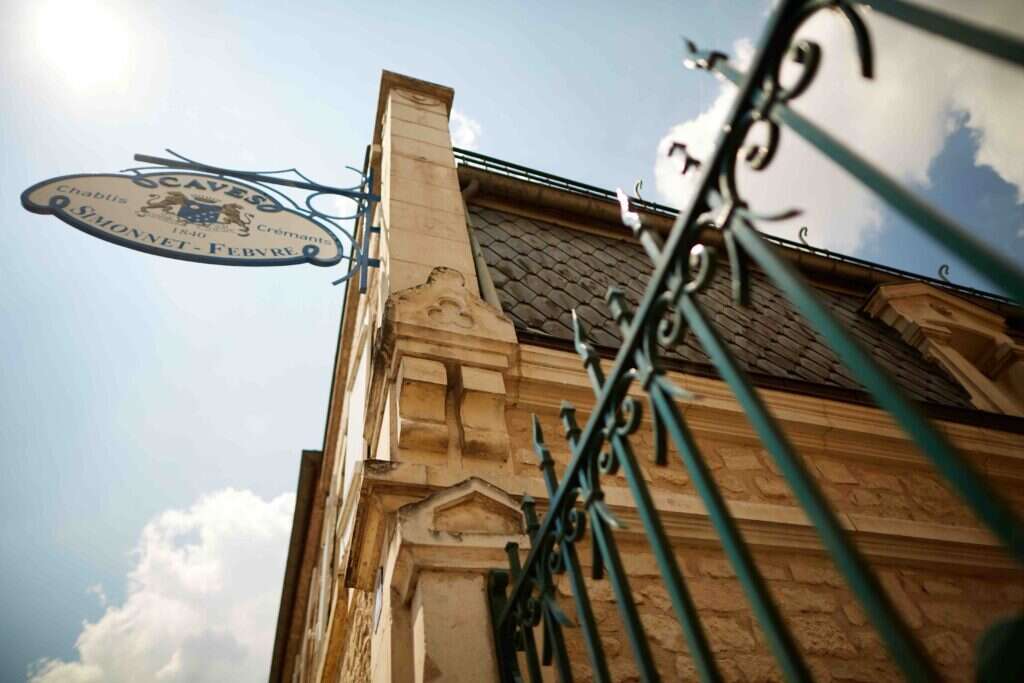
DOMAINE SIMONNET-FEBVRE (CHABLIS)
In 2024, general manager Paul Espitalié’s lowest yields were recorded in Les Preuses and Montmains, at 10hl/ha.“In Chablis, we obtained approximately 25hl/ha. The highest yield was achieved in Mont de Milieu at 52hl/ha. The main difference compared to previous vintages lies in the harvest date. We had to wait a long time to achieve proper ripening of the grapes. The harvest began on September 16 and ended on October 5. The style of this wine reminds me of the 2020 or 2014 vintages.”
I tasted Simonnet-Febvre’s wines from Saint-Bris and Irancy in November, long after the focused tastings in Chablis in June. Tricky to compare with the memory of those Saint Bris, but it showed well. The Irancy is rather simple.
Saint-Bris Sauvignon-Blanc
Vibrant and grassy. It’s upfront and varietal led on aroma and attack; very nettle-like. There’s vibrancy and piquancy and it travels into chalky minerality. 2026–27. 81–82
*Chablis Premier Cru Forêts
From an east-facing parcel. Pretty floral aroma. Rather soft but attractive, with modest intensity and quite an appealing, bitter, caraway-seed finish. It perhaps lacks a little raciness but it is inviting and was my favorite wine of the flight. 2026–28. 85
Chablis Premier Cru Mont de Milieu
Apricot richness to the attack. As one might expect, there is more concentration and depth of texture here than in the Left Bank wines. I like the slightly bitter, phenolic, apricot-skin note that extends the finish. 2026–30. 86–87
IRANCY
DOMAINE BENOÎT CANTIN (IRANCY)
An old family domaine with 16ha (40 acres), where 24-year-old Félicien is now working with this father Benoît. Conventional farming and picking by hand. They favor early harvesting, and in 2024 had finished before some other growers in the village (such as Charriat and Richoux) had started. 20hl/ha in 2024. Barrel-aging for 12–18 months in pièces. The color of these Irancy wines was unusually dark for this vintage and the matter in the palate was also surprisingly dense. They didn’t really taste like 2024s, and there was some VA on some of the wines, Palotte in particular. Of the four cuvées I tried, the Cuvée Emeline was the one I preferred.
Irancy Cuvée Emeline
Largely from Hautes Chamois, this cuvée is named after Benoît’s daughter. Rich aroma, with a dark, spicy attack and morello-cherry fruit mid-palate. Plentiful, somewhat grippy tannins, fresh acidity, and a spicy, licorice finish. Robust. 2026–30. 80
DOMAINE WILLIAM CHARRIAT (IRANCY)
The Charriat family has been making wine since the 1550s. Martin Charriat is the 13th generation. They have 18.5ha (46 acres). “Our oldest vineyards date back to 1936 in Palotte and the newest plantings were made in 2016/17.” They will be organically certified in 2025, although they have already been working organically for 15 years. “2024 was the worst weather we could imagine. We had way too much rain for organic management. We cannot suffer the same losses next year. It was not worth harvesting some parcels because the yield was too low. We picked September 26–30. The south-facing vineyards were a little better, but we didn’t harvest some of the north-facing, where we had losses of 95% and all the parcels were blended together.”
The fruit was100% destemmed. It had avergae natural alcohol levels of 12.8%—perfect—so there was no need to chaptalize. “We were not looking for too much color or tannin, so we worked very lightly on the wine, just pumping over once in the morning and once in the afternoon. We took five days to extract the color, while in 2022 and 2023 we kept it longer in tank.
The barrels are 600 litres, four or five years old, and Martin takes the time to decant before putting into barrel. “The time back in tank depends on the year—sometimes it’s 12 months, but in 2024 it was just three months. We adapted our methods and put the wine into barrel sooner than usual, as we have not much of it and wanted to bring it forward.”
There will be only 5,000 bottles of 2024. On the positive side, as Martin points out, “If we had reached 30hl/ha this vintage, we would not have the ripeness we have in the wines.”
*Irancy
A vibrant cherry aroma, with sweet red fruit on the front-palate; brightness and piquancy of morello cherry in the middle. The tannins are finely textured, light and delicate. Light-bodied and airy, with a sweetness and freshness of fruit carrying the finish. A delicate and pure Irancy. Delightful. 2026–32. 86
DOMAINE FRANK GIVAUDIN (IRANCY)
Franck Givaudin, now in his mid-50s, comes from a family that has been making wine in Irancy for a century (he also has some Aligoté in Saint-Bris). The domaine extends over 14ha (35 acres) but produced only 4,000 bottles of wine in 2024, the year it gained organic certification. The winery is next door to Richoux. All the fruit is hand-harvested and 100% destemmed. Franck usually makes three different cuvées, which are aged in used 228-liter barrels bought from the Côte d’Or. The Irancy remains in oak for one year.
Irancy
Dark, ripe, red-cherry fruit, with a touch of spice on the aroma. Jumps energetically onto the palate. Explodes with bright red fruit. Good concentration and sweetness. A light, crisp bite of tannins. Fresh to finish. Yummy. 2026–30. 85
DOMAINE HEIMBOURGER (IRANCY)
This domaine has vines in Chablis as well as in Irancy. Conventional farming delivered 45hl/ha in 2024, and the grapes are machine-harvested.
Irancy
Includes several parcels from northeast-facing lieux-dits Les Marteaux, Les Rez, and Les Sous Le Bois, as well as south-facing Veauchassy. A herbal aroma to a light palate, with crunchy tannins and plentiful acidity. Rather too thin and herbaceous. 2026–27. 78
Irancy Cuvée Pierre
From vines in Les Cailles and Les Veaux Lâchés, where there is also some César. Light, minty aroma. A herbal shiver across the palate, with light, crisp tannins. 2025–27. 80
DOMAINE GABIN & FÉLIX RICHOUX (IRANCY)
From 18ha (44 acres), the Richoux brothers made just 8,000 bottles in 2024. Everything here is hand-harvested and passed across sorting tables. The Pinot Noir was well-aerated, because there were fewer leaves on the vine, so there was no rot. Tiny yields ensured good concentration and well-ripened skins, although the stalks were not fully lignified, so Gabin destemmed everything. A shorter maceration than usual in 2024, with just one pump-over a day. The wine was decanted to settle for six weeks before barreling down, allowing only the finer lees for aging.
Gabin finds 2024 different from 2021 in terms of élevage, as the wines took longer to integrate in barrel in the earlier vintage: “It is a normal year for the wine. It has acidity. I love it. Much better than 2021.”
*Irancy
A cuvée made from fruit across 12ha (30 acres), which always includes some Veaupessiot, Palotte, Les Cailles, and Les Mazelots. A week-long maceration. “I did one pigeage but mostly pump-over once a day.” This usually goes into foudres, but in 2024 it went to 228-liter barrels between three and ten years old, where it will stay for two years. Vibrant cherry aroma. Super-juicy and bright on the attack. Splashing and nicely concentrated fruit. Fine tannins, with a light crispness. Crunch, super-fresh, and well-balanced. You feel the limestone in the light bite and neat edges. An elegant Irancy. Delightful. 2027–32. 86
Irancy Les Cailles
From six parcels across 2.2ha (5.4 acres) in south-facing Les Cailles. The older vines date back to 1947, while the newer, 2018 plantings are a massal selection from the oldest vineyard here and in Les Mazelots. In some vineyards there was no fruit at all in 2024, but Les Cailles was less affected by mildew, and with 10hl/ha, Gabin was able to make this lieu-dit separately. A sunny profile, with ripe summer fruits, slightly rounder and fuller than the main cuvée, with more tannin and a light touch of muscle, but finely textured. A little more grip. Peppercorn freshness on the finish. “Every year, we get more tannins.” Spot-on. 2027–32. 86
SAINT-BRIS
DOMAINE JEAN-LOUIS & JEAN-CHRISTOPHE BERSAN (SAINT-BRIS)
An organic estate for the past ten years.
Saint-Bris Mont Embrasé
From a north-facing slope. Peachy, litchee aroma to an aromatic, fruity palate, with nicely balanced acidity. Attractive. 2026–28. 83
Bourgogne Côtes d’Auxerre Cuvée Louis Bersan
From the lieu-dit of Vodon, an east-facing vineyard. All harvested by hand and 100% destemmed. Juicy fruit on the strike. Plentiful tannins. A bit more extraction than some this year, and maybe some new oak. It’s honest if a bit rustic. 2026–30. 82
DOMAINE PIERRE-LOUIS & JEAN-FRANÇOIS BERSAN (SAINT-BRIS)
Two cousins own this domaine.
Saint-Bris Fyé Gris
Made from Sauvignon Gris, a heritage variety, allowed in the appellation, which a few growers are now planting. This wine was made and aged in barrel. A delicate, “pink” perfume, but not exotic. Lightly spicy palate, which is fresh. An engaging and lively profile. I would like to see more of these. 2026–30. 82
PASCAL BOUCHARD (SAINT-BRIS)
A négoce purchased by Bichot in 2015.
Saint-Bris Sauvignon Réserve Saint-Pierre
Juicy and fruity up-front. Super-juicy and varietal, but lees-aging is giving volume and a more savory profile. Good depth of fruit. It’s certainly a more Burgundian Sauvignon. 2026–30. 84
CAVES DE BAILLY-LAPIERRE (SAINT-BRIS)
The Caves de Bailly is a co-operative that was established in 1972, initially to make Crémant de Bourgogne. I was offered a wide range of crémants that were really rather good! The cellars are in a former stone quarry, which was closed in 1918 and used as a mushroom farm.
The Caves de Bailly receives fruit from 25–30ha (62–74 acres) in Chitry and Saint-Bris from 15–20 growers. Cellar master and winemaker Sylvain Martinand explains, “Some of the producers bring some of the fruit to the winery to make their own wine. The press facility is open for four days. We calculate the timing to have around 11–11.5% ABV. Some years, 12%. We give the growers a window.”
Sylvain separates the press based on the pH; the free-run pH is 3.1–3.3. He settles with enzymes, because it is quicker, and moves the must to tank, where all the fermentation occurs, at 100–180 NTUS. He inoculates for the alcoholic fermentation and the MLF. “I look at each tank and may or not do the MLF. In 2024, I did 100% MLF, while in 2022, none at all. I decide based on the balance of the wine.” Bottling begins after six months of aging, and there are multiple bottlings, according to market demand. Usually, they also make an organic Saint Bris, but not this year. Impressive quality from this co-operative. As mentioned in the introduction, the Saint-Bris can clearly age.
Saint-Bris Sauvignon Blanc
Usually, there are 180,000 bottles of this cuvée, but in 2024, only 100,000. The ABV is 12.2% and the pH is 3.2. An exotic, tropical aroma. On the palate, rambutan notes and mango, nicely balanced and fresh with attractive salinity to finish. “We want to have fruity intensity on the nose, but first of all it is a Burgundy.” 2025-32. 84
DOMAINE EDMOND CHALMEAU ET FILS (CHITRY)
Saint-Bris
Juicy, fresh, passion fruit. Some weight mid palate. Touch of tannin gives it a slightly stricter finish after the fruity, rounded palate. 2026–29. 83
CLOTILDE DAVENNE (PRÉHY)
Clotilde Davenne has had her own domaine since 1989.
Saint-Bris Sauvignon
Tank sample. Bright, upright, and fresh. Light and peppery, green style. Straight and energetic. Well-made but simple. 2026–28. 81
Irancy
Tank sample (no oak). From 3ha (acres) in two lieux-dits: Paradis, which is south-facing, and Les Rez, which is more north- and west-facing. She has Chablis vineyards and brings her machine to Irancy to harvest. Floral aroma. Light bodied, certainly fresh, and with barely a hint of tannins. Simple. 2026–28. 81
DOMAINE GRAND ROCHE (SAINT-BRIS)
Named after the lieu-dit by Erick Lavalée in 1987. Caroline and Clément are the next generation. The domaine has 10ha (25 acres), which are machine-harvested.
Saint-Bris
From parcels in and around the Grande Roche. Fermented with natural yeast in stainless steel and kept on lees since the harvest. The MLF always occurs. Tank sample. Nicely reductive, fresh, and vibrant, with a lightly bitter note to the finish. Machine-harvested, with some skin contact in the process, is probably giving the slight bitterness. I like the pithy, tangy note. “Clément likes to work with the bitterness,” Caroline explains. 2026–32. 85
Irancy
This is made with the press of Pinot Noir from Les Ronces (Clément Lavallée). This barrel sample is also a light-bodied, fresh, and delicate Irancy but with more tannin and an attractive bitterness with cherry kernel bite, which I like. 2026–28. 82–83
CLÉMENT LAVALLÉE (SAINT-BRIS)
Brother and sister Clément and Caroline run this domaine. Clement focuses on the winemaking and vineyards. Conventional farming Saint-Bris and in Irancy for both Grand Roche. Caroline is pragmatic “we couldn’t afford to lose the crop in 2024.”
Saint-Bris Les Copains d’Abord
A blend of parcels around Grande Roche. Hand harvested. Started in stainless steel and moved to 350l barrels of used Rousseau, Seguin Moreau and Damy. More subtle, less varietal aroma as this is oak aged – eleven months in total. The palate is rounded and juicy. Fresh acidity, nicely balanced, finishes on lemon with a touch of savoury nuttiness. Accomplished. 2026–32. 85
Irancy
The third vintage for this wine, as the parcel was acquired only in 2022. Caroline’s great-grandmother came from Irancy. The 0.52ha (acres) of vines came through a friend whose family were not interested. From Les Ronces, high on the slope and south-facing. Light-bodied, bright, a waft of crisp tannin. Salty and delicate. Rather light in intensity but still aging in barrel so it should gain in body. 2026–28. 82
DOMAINE PETITJEAN (SAINT-BRIS)
Saint-Bris Sauvignon
Tank sample. Varietal aroma: fresh grass and peas. Juicy strike. Fresh and lightly zesty. Riper, slightly rounded mid-palate, with some passion fruit and nicely nettley to finish. 2226–29. 84
DOMAINE SORIN COQUARD (SAINT-BRIS)
Saint-Bris Sauvignon
An immediate and upfront Sauvignon, with gooseberry and green herbaceous notes. Forward and fruity. Immediate. Simple. 2025–28. 80
Irancy Les Cailles
From young vines planted about ten years ago. Conventional farming and machine-harvested. Light and perfumed aromas. A sweetness on the front palate, so this is rather tutti-frutti. Modest substance, with light grip of tannins. 2026–28. 82
DOMAINE VERRET (SAINT-BRIS)
From a larger producer, also known for Crémant de Bourgogone, with 65ha (160 acres) across Saint-Bris and Chablis.
Saint-Bris
A slightly underripe aroma. But the palate is straight, lively, fruit-driven, and juicy, with gooseberry notes. Simple. 2026–28. 80