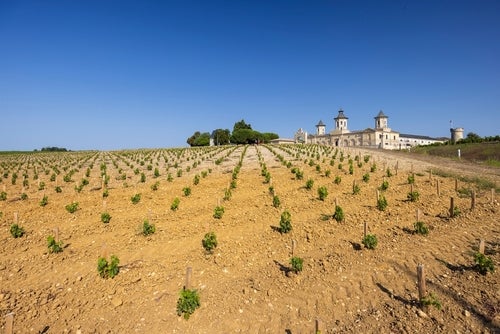
ST-ESTÈPHE
Château Calon-Ségur 3ème Cru
(80% CS, 17% M, 2% CF, 1% PV)
SF | A relatively short cuvaison (20 days) but a near-record-high for the Cabernet Sauvignon, which dominates the aromatic with a dark, almost garrigue character behind the boysenberry and cassis, with anise and bay vying with the more opulent fruit descriptors. An archetype of Calon-Ségur then, its purity and parcellaire precision more evident than in recent vintages, the shorter maceration and lower alcohol both resilient to the innate St-Estèphe power and the distinct muscular (almost, but not quite, rustic) structure. Licorice and herbs are evident at the back, also young figs, sandalwood, and dark chocolate. The oak is entirely new but already neatly enfolded. | 95–96
Le Marquis de Calon-Ségur Cru Bourgeois Exceptionnel
(67% M, 31% CS, 2% CF)
SF | An appealing and relatively forward Marquis, with red and blue fruit and a fine weave of chalky tannins. The recent manifestations have been heady, ponderous almost; the 2025, on the other hand, is faithful to the vintage and to an aspiration to accessibility, with an almost-aérien character and a definite lift on the back, variously compared to iodine and spearmint by our coterie. One member decided that “Merlot sings here with a Cabernet accent,” which may or may not be profound, but seemed appropriate! | 92–93
Related

Château Cos d’Estournel 2ème Cru
(60% CS, 39% M, 1% PV)
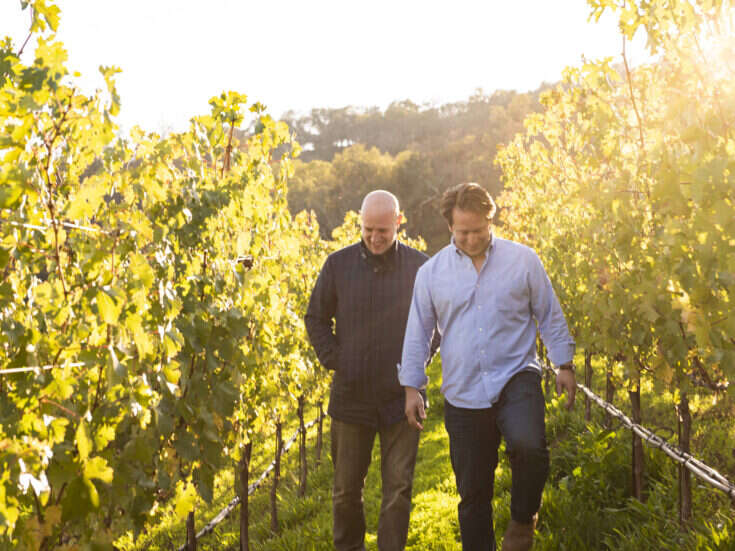
SF | The harvest was completed relatively early (September 19), the technical director, Dominique Arangoïts, satisfied with the phenolic ripeness, itself aided by the balm of organic husbandry. Graphite and blue fruits; vertical but voluptuous, with, pace Dominique, the rigor of 2016 but also the concentration of 2022. He muses at the juxtaposition of a hot and a cold vintage in the same glass. Black pepper, iris, and tobacco leaf all underwrite the core characteristics of crushed plum and loganberry. Powerful if restrained tannins, fine-grained and sophisticated, and just a hint of rock salt and wild herb to underline provenance. An exceptional Cos. | 97–98
Les Pagodes de Cos
(62% M, 35% CS, 2% PV, 1% CF)
Content from our partners
SF | Slighty higher yields for the Merlot in 2025, which regains primacy in the blend, lending dark, fleshy fruit. Impressive, spicy grip, but no lack of aromatic nuance. Black cherry and Asian spice; an exuberant feast, which, according to Dominique Arangoïts, “takes you by the hand and makes you think.” A suitably profound finish ensues. | 92–93
Château Cos Labory 5ème Cru
(55% CS, 34% M, 11% CF)
SF | The old block of Cabernet Franc is coming into its own, lending a unique leafy personality to this, surely a candidate for the most-improved estate in the region, in no small measure thanks to the investment and expertise of the Reybier family. A very fine perfume, tapenade, cassis, and fireworks, then a richly textured mouthfeel, generous but composed, with ripe but persuasive tannins and a distinctive finish, which recalls iodine and brine, but is also lifted. Geographically contiguous with Cos, yet stylistically autonomous, the progress here manages to illustrate both the specificity of terroir and the virtues of focused winemaking. This is the third vintage under the Cos umbrella (pagoda?) and the best yet by some way. | 94–95
Château Le Crock Cru Bourgeois
(51% CS, 35% M, 8% CF, 6% PV)
SF | At 30hl/ha, Le Crock enjoyed a higher yield than the Cuvelier estates in St-Julien, although this is far from evident from the near-opaque color and concentration. St-Estèphe rigor looms large at first, but after a few moments in the glass, a generous, ripe, blue-fruit character emerges to dispel intimations of austerity, the weave of the wine’s tannic structure described by sales and marketing manager, Claire Ridley, in terms of mille-feuille intricacy. Most pleasing. | 92–93
Château Lafon-Rochet 4ème Cru
(66% CS, 29% M, 3% CF, 2% PV)
SF | Lafon-Rochet and Pédesclaux are both owned by the Lorenzetti family. Vincent Bache-Gabrielsen moved to the former from the latter for the 2025 vintage, and points to his desire not “to push things too far” with the Merlot. A bold color, aubergine-rich, then a classic St-Estèphe nose that marries plums, cedar, eucalypt, and loam. The dark fruit is persistent and rewarding, the tannins very St-Estèphe, with a preference for foudre (40%) over new oak (15%), underlining how nature has contributed so generously to the tannic structure. Herbs and flowers garland the ensemble with pleasing discretion. | 94–95
Château Lilian Ladouys Cru Bourgeois Exceptionnel
(61% M, 30% CS, 9% PV)
SF | The clay-grown Merlot has excelled in 2025, harnessing a rich and rounded wine, with both the Cabernet Sauvignon and spicy Petit Verdot grounding it with St-Estèphe rigor. With only 12.5% ABV and 30% new oak, this is a refined, restrained Lilian, yet it does not lack for generosity of spirit and a lively, floral lift to the finish. Most accomplished. | 92–93
Château Meyney
(66% CS, 20% M, 14% PV)
SF | St-Estèphe’s harmonious interface between clay and limestone, allied to its location close to the northern strand of the Gironde estuary, not to mention the timely rains in late August, have made it one of the most impressive communes in 2025. Meyney deservedly shares the laurels with even more illustrious near-neighbors, such as Montrose. Crushed raspberry, cigar box, and a whiff of black pepper. The palate is unexpectedly ripe, the sweet clasp of tannins building with great elegance, the Petit Verdot, described by managing director, Anne Le Naour, as part of the property’s DNA, impresses greatly with its smoky power. I especially liked the finish, a study in enlightened austerity, which may be broadened to describe several of the very best examples from 2025. Such as this. Impressive indeed. | 95–96
Château Montrose 2ème Cru
(77% CS, 19% M, 4% CF)
SF | An outstanding Montrose, its fruit now all sourced from the Terrace Four vines adjacent to the property itself, its free-draining gravel untroubled by the hot season, with both the high clay subsoil and the proximity to the Gironde providing a natural foil to some of nature’s excess in years such as 2022 or 2025. Only medium-bodied, or maybe medium-plus, the 2025 celebrates a delightful interplay between pure fruit and finely delineated tannins, a cashmere texture and a real sense of depth. Beguiling, therefore, and deftly constructed, its modest ABV (13.6%) conspiring eloquently with the 60% new wood; very refreshing on the finish, its deft charm in no way undermining a latent pulse of power. | 96–97
Château La Dame de Montrose
(82% M, 10% CS, 5% PV, 3% CF)
SF | Antithetical to the grand vin in the sense that the Dame is dominated by Merlot, is mainly sourced from the clay-rich Terrace Five, and is aged in a variety of vessels (only 10% new oak now, with contributions from foudre and amphorae). La Dame makes up 30% of the production. Juicy yet persistent, the wine does not lack for matière, nor, for that matter, for innate complexity. Red fruits and hedgerow flowers mark out a style that shows a “lighter” side to St-Estèphe, while failing to eschew entirely its innate rigor and capacity to age. This will be fascinating to follow… | 92–93
Château de Pez Cru Bourgeois
(56% CS, 42% M, 2% CF)
SF | Nicolas Glumineau advises that the clay-rich soils at De Pez were well-suited for a vintage such as 2025, bequeathing a natural tension but no stress or parched vines. Instead, we have encyclopedic blue and black fruit, spice, and a crystalline texture, which is supported by the breezes of the estuary. Refined and polished yet still maintaining a distinct “northern Médoc” style, which, excitingly, dwells on the prospect of sauvagerie before thinking better of it. Edgy and plush at the same time, then. | 93–94
Château Phélan Ségur
(65% CS, 30% M, 2% PV)
SF | Bright, jewel-like; cassis, cedar, graphite, the fruit nicely enrobed; fine, pinprick tannins; very chalky, not lean, definition of fruit. The use of the indigenous yeasts (crème de levure), which have been very precisely cultivated by parcel, underlines a sense of belonging. There is a floral character here, roasted plum and tree bark behind it, and then hints of camphor and slate. 55% new oak. The rise and rise of Phélan Ségur continues apace, the quality of the vintage itself in the slightly cooler appellation of St-Estèphe no doubt playing its part. There are other factors in play, however, not least the tenacity and brilliance of the entire winemaking team. | 94–95