As the wine world grapples once again with a crisis of overproduction, Stuart Walton looks at the history of the wine glut from the Roman Empire to the European wine lake of the 1970s.
Next to prohibition, the worst calamity that can happen to a wine economy is overproduction. Periods when there was too much wine have been a recurring bane of European viticultural history, for various reasons, bringing measures to curb the excess to the forefront of administrative ingenuity. Many will recall the European wine lake of the 1970s, when European Community producers were subsidised by quantity alone, under the terms of the Common Agricultural Policy. The lake was eventually drained by the desperate resort of “crisis distillation,” which saw much of it converted to industrial alcohol. Some was famously transmogrified into engine fuel, and sent to Brazil to be sold at gas stations.
In contrast to the sudden bonanza of a particularly productive vintage, a wine glut tends to happen gradually, behind the backs of growers and merchants until the cellars are so full that nobody knows what to do with it. No market, as basic economics informs us, can expand indefinitely, and even though selling off the surplus cheaply is the immediate recourse, sooner or later there will be a colossal unwanted reserve that nobody wants.
The first instance in history in which overproduction became a recognized problem arose in the first century of the Christian Era, when wine-growing came to be preferred to grain farming in many parts of the Roman Empire. In AD 92, the Emperor Domitian issued the only proclamation of his reign to cover the entire imperium, rather than one or other province of it. It banned the planting of any new vineyards, and—more radically still—ordered that half of existing vines outside the confines of Italy be pulled up.
Related

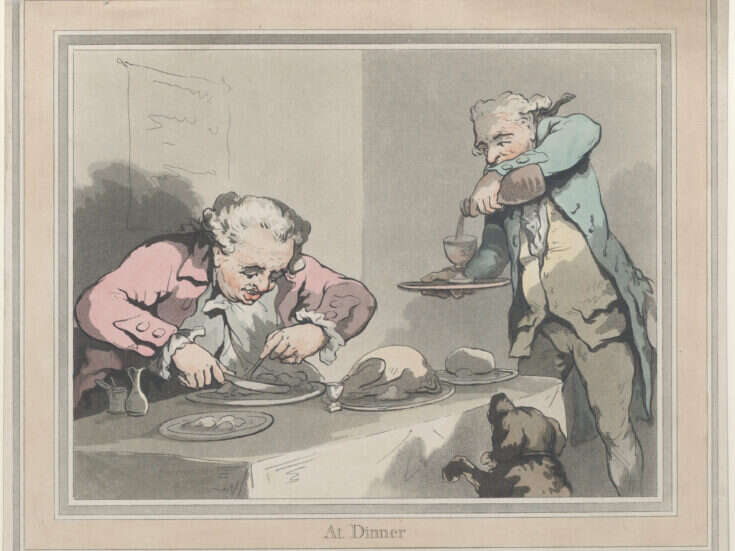
There was famine in parts of the Empire, and increasing public drunkenness, especially among Roman legionaries, in others, both of which had become matters of imperial concern. The requisitioned land was to be planted with cereal crops instead. Although Domitian’s edict was widely flouted, in Asia Minor as well as in the ancient European heartlands such as Bordeaux, it remained active for nearly two centuries, until the oenophile Emperor Probus repealed it in AD 280.
While the causes of the Roman wine glut have been disputed, it seems likely that a major factor was the panic replanting that occurred after the eruption of Vesuvius in AD 79 had wiped out many existing vineyards. A flood of wine always has the effect of lowering prices, and at least part of the impetus for Domitian’s intervention was to stabilise the domestic wine economy. The poet Martial reports at one point in his Epigrams (3.57) that, in Ravenna, wine had effectively become cheaper than fresh drinking water, which was in notoriously short supply. He notes of one innkeeper that, in defiance of established tradition, he served the author with undiluted wine, because that was less costly than adding water to it.
It is often said that the arrival of phylloxera in Europe in the late 19th century, devastating though it was to the livelihoods of many small growers, had the paradoxical general effect of saving the wine industry from itself. In France particularly, advances in the industrialization of agriculture led to larger yields, in conjunction with which the advent of railway transportation, which made it easier to convey wine in bulk from the reliably fertile vineland of the Languedoc to the urban markets, resulted in a wine lake avant la lettre.
Content from our partners


Turning a wine glut into a winegrowers’ revolt
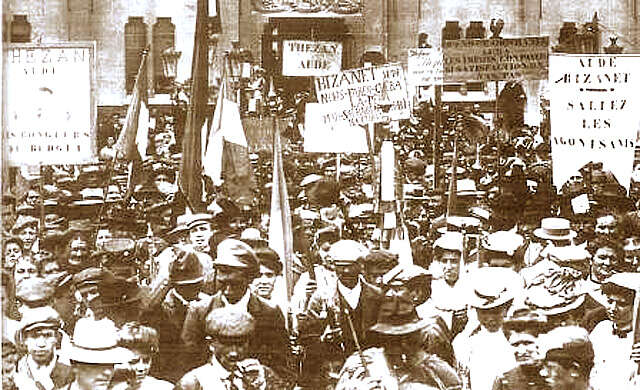
When phylloxera was defeated by grafting European vines onto American rootstocks, production once more surged. Higher-yielding varieties were planted to compensate for the shortfall of the pestiferous lean years throughout France, Spain, and Italy, with the inevitable baleful result that prices collapsed. In the Languedoc in 1907, a programme of weekly demonstrations that would enter history as the Révolte des Vignerons, exploded into riots and opportunistic looting, with troops deployed to quell the unrest and several vineyard workers being killed.
The crisis in the Midi was only materially resolved when surplus wine, in the widely despised form of watered pinard, was doled out more or less ad lib to French combatants in the Great War. If you can drink the excess, so much the better than selling its distillate to the perfume industry, but a continental war must have seemed a desperate remedy for the economic hardship of the growers.
In the present day, oversupply in France, with Bordeaux and the Languedoc leading the wine glut, is leading to subsidized conversion of excess wine to ethanol. One of the factors driving the growing surplus outside Europe in major producing countries like Australia, Chile, and Argentina is the falling rate of consumption. A younger generation turning away from alcohol on one hand, compounded by their elders wearing blood pressure wristbands and reading those admonitory leaflets at the doctor’s office, is reducing demand.
Still, there are reasons to be cheerful. If every surplus is followed by a natural correction, the advance of global heating will duly put an end to production in the most prolific regions. It will be the Vesuvius and phylloxera of our own day, rolled into one.