Andrew Jefford is joined by Stephan Reinhardt and Anthony Rose for the first standalone WFW panel tasting of the wines of Georgia.
Georgia is the source of the world’s oldest organic residues of pure wine, giving it an attested 8,000-year tradition of wine production (as detailed on pp.112–19 of this issue). Wine creation in Georgia has known many vicissitudes during eight millennia, and reached our century bruised and battered—but optimistic. That optimism was based on the country’s new-won independence and mercantile openness in combination with its rich genetic and cultural resources: 400 indigenous grape varieties and nine different, highly contrastive wine regions.
There’s more. Georgia’s often mountainous landscape (85% of the country’s landmass) and biodiversity (more than 4,000 plant species) provide a fertile backdrop for its wine culture; so, too, do its gastronomic traditions and its distinctive feasting heritage. The tamada or “toastmaster” presides over feasts (supra) in Georgia with a sophistication, humor, and rhetorical resource rarely met with elsewhere. (Statues of tamada-like figures in Georgia date back 2,700 years.) The fact that Georgia’s finest and most distinctive wines are made using techniques that may have been developed as early as Neolithic times, and that return skin-contact techniques to white-wine-making (see WFW 88, p.176), makes Georgia’s wine culture one of compelling interest—and now influence. Yet we’d never looked at Georgian wine through our “Savor” lens during The World of Fine Wine’s 21 years of existence. It was time.
This tasting of 46 wines was divided into four categories: classically vinified white wines; amber wines vinified from white varieties in qvevri; then classically vinified red wines as well as qvevri-vinified red wines. This may be the most varietally diverse tasting we have ever organized, with 11 named indigenous white varieties and ten named indigenous red varieties, with likely more varieties still included in some of the blends for which varieties were not specified. (The only named non-Georgian grape used in the tasting was Pinot Noir, blended with Saperavi for one wine—which, as it turned out, was the least well-scored wine in the tasting.) Note that vinifying red wines in qvevri is less distinctively different from classical red-wine vinification than making amber wines from white varieties is from classical white-wine vinification—since skins are always used to a greater or lesser extent for red wines, something that is not true for whites. It is, nonetheless, worthwhile, otherwise it wouldn’t continue to be practiced; qvevri vinification is riskier, more expensive, and more labor-intensive than classical tank fermentation.
Related
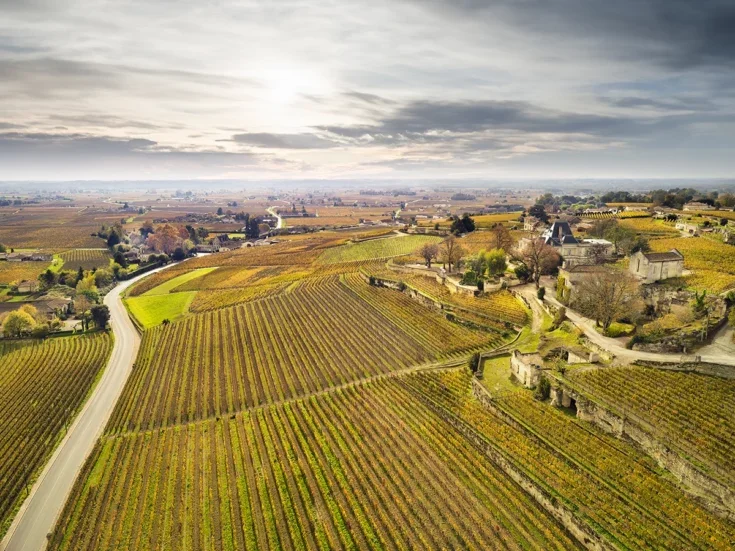
That 35 of the 46 wines in the tasting were grown in Kakheti is unsurprising, as this eastern and relatively low-lying region contains almost 77% of Georgia’s vineyard land; but we also tasted wine from three other regions: Guria, Kartli, and Imereti. Qvevri-vinified amber whites from Guria, Kartli, and Imereti tend to be lighter and less texturally rich than those from Kakheti. Stems are not used in Imereti, as they do not ripen adequately, and the period spent in contact with the skins in the qvevri (churi in Imereti) is shorter than in Kakheti.
Encouraging results
What of the verdicts of our tasters? The results were encouraging; any wine scoring 89 points or above on the World of Fine Wine scale is defined as “Very good wine, with some outstanding features”—and Anthony Rose found 30 such wines out of the 48 shown; Stephan Reinhardt’s tally was 21 and mine was 17. Wines scoring 93 to 96 points (“Outstanding wine of great beauty and articulacy”) were, by contrast, much rarer: Anthony Rose found five, I found four, and Stephan Reinhardt found just one. We had a clear preference for qvevri-fermented amber wines (and to a much smaller extent classic whites) compared to red wines. Our top 11 wines were all qvevri-fermented and include only one red. When you look at our individual scores for wines of 89 or more, amber and white wines outnumber reds on Stephan Reinhardt’s score sheet by 17 to 4; on Anthony Rose’s sheet by 17 to 13; and on my sheet by 12 to 5. (We tasted 26 whites and 20 reds.) No surprise, perhaps: around 70% of each year’s Georgian wine harvest is white grapes.
One point of agreement among all three tasters was that the classically fermented whites, while pleasant, were anodyne: “well-behaved [but] unremarkable” in Stephan Reinhardt’s words, while they “rarely seemed to reach the more elevated quality of the orange and red wines” according to Anthony Rose. I concur—and suspect that this lack of pronounced character may disappoint newcomers to Georgian wine, who dip into the category assuming that a wide variety of indigenous grape varieties will be reflected in characterful, easily distinguishable, classical whites. Classically vinified white wines matter for Georgia, given that most of its vineyards are planted to white varieties and that 95% of all Georgian wine is classically fermented rather than qvevri-fermented. Their technical assurance is welcome—but Georgia surely now needs to do more to lend profile and bring impact to its classically fermented whites.
Content from our partners
There was less agreement about red wines: Stephan Reinhardt felt these were “disappointing,” whereas both Anthony Rose and I enjoyed what Anthony called their “considerable diversity of style… from fresh, bright, and elegant, to more muscular and powerful.” Saperavi, a teinturier (red skins and red juice), is one of the world’s most characterful and polyphenolically prolific varieties—and it’s also Georgia’s most planted red variety, with 40% of Khakheti’s plantings and 10% of the national vineyard. This red calling card is always likely to be confronting; it’s the opposite issue to that affecting the classically vinified whites.
The most lavish praise, perhaps unsurprisingly, was reserved for the qvevri wines: “the stars of the tasting” for Anthony Rose and “the most interesting and exciting wines” for Stephan Reinhardt. The color of these wines is a joy in itself; their aromatic repertoire is wide-ranging and original; while their flavors and textures combine to provide a drinking experience like no other. They are made for the table and for food—yet could be drunk on their own, too, since the best are a meal in themselves; they make wonderful wines to debate. If you haven’t yet tasted a Georgian qvevri-fermented amber wine, now’s the time.
The top five: The best of Georgia
Bakhtrioni Kisi Amber Qvevri Kakheti Georgia 2022 (14.7% ABV) | 93
AJ | Deep, exuberant orange-amber, with the emphasis on the orange. Exciting aromas in a high-summer rather than autumnal style: straw, grain fields, the sweetest of silage, fresh white-wine marc, meadow flowers. Very good and enticing. Deep, exuberant, and vivid, in exactly the character that the nose sketched out. Super-succulent, fruit-bonded tannins: totally gorgeous and moreish. A lovely exuberant apricot-orange fruit lift, driven, too, by juicy, tongue-coaxing acidity. Maybe it doesn’t have the greatest levels of detail and focus, but for sheer life-enhancing enjoyment, this is very fine. Truly drinkable, indeed almost gluggable, qvevri wine. Love it! 2025–30. | 93
SR | This is a picture-book orange color, and it is the robe of a 2022 Kisi from Kakheti. It’s not only the color that is highly attractive, but also the nose, which indicates a rich and elegant wine, with orange fruit and flinty flavors as well as pastry notes. Very elegant and refined but also tensioned and sustainably mineral on the palate, this is a very complex, full-bodied, rich, and powerful Kisi, with a creamy texture, salivating salinity, and finely biting tannins. Impressive in all its richness, finesse, and balance. Readers shouldn’t argue about the 14.7% stated alcohol. This is what you get when you pick ripe grapes. This wine is rich and complex but it’s not brandy. 2025–30. | 93
AR | A rather extraordinary burnished orange-gold in color, this has a sweet and savory aspect to the aromas, almost like a dry marmalade and there’s plenty of power both in the aromas and the fruit, which is ripe, almost rich, with expressive, sweetly ripe apricot and stone-fruit flavor complemented by a pretty firm grip of grape and stalk tannins leading to a dry, food-friendly finish. If this were Italian, it would be a vino da meditazione. 2025–29. | 93
Tsinandali Estate Prince Alexander Chavchavadze Kakhetian Blend Amber Qvevri Kakheti Georgia 2022 (14.5% ABV) | 93
AJ | Deep amber-orange: a lovely hue. Warm, quiet, reserved; somewhere quiet in the forest, with a stick of barley sugar in your pocket for dinner. Soft, burnished fruits, but no great detail. But… after half an hour of air this wine opens up significantly, and then you get a much richer symphony of fruits. Very fine aromas which really eat up the air (a terrific sign) and flourish. On the palate, clearly a significant wine with a commanding palate: concentrated and long, with outstanding tannins and fine supportive (but not dominant) acids—this is a properly ripe wine. It has great aromatic resource, actually, but has achieved full harmony before it went into bottle, and these notes are all very secondary; it’s not a qvevri wine packed with a jumble of young fruit ferments. Grave, sober, long, intricate, and fine-grained. There are lovely yeasty notes, too—also settled and sober. A fine vineyard source. The real deal—calmly so. Authoritative and grand. 2025–32. | 94
SR | This radiant Qvevri Amber opens with a very clear, elegant, rich, and aromatic bouquet reminiscent of stewed apricots, crushed stones, tobacco, and herbs. The wine is remarkably rich but balanced on the palate, revealing an intense and concentrated texture as well as significant tannins, whereas the acidity is rather salty and mineral, so sourced from the terroir rather than the sky. This is a very good orange wine indeed. 2025–30. | 92
AR | A bright amber-gold in color, this is pretty classic in aroma, fresh, complex, with background notes of apricot, marmalade, and dry honey; on tasting, it’s an accomplished style with a subtle sweetness that grows on you thanks in part to the light grippy texture carrying the fruit and contributing, along with the fresh acidity, to a nuanced orange style that finishes on a nicely dry note. 2025–30. | 93
Marani Bakhtrioni Rkatsiteli Amber Qvevri Kakheti Georgia 2022 (14.8% ABV) | 91
AJ | Mid- to deep gold, with some faint haze. Succulent, tender, nutty, and inviting, with warm fruit-compote ripeness: sweet punch without the rum. And exotic, too; you can find pineapple and mango here. At the same time, creamy, clean, and poised: a super nose. I shouldn’t omit to laud its harmony. Wow: exciting stuff. Lovely thickness and concentration here, and a vivacious seething wave of those summer, and, indeed, almost sub-tropical, fruits, beginning with peach and nectarine, and surfing on into pineapple and mango. Lovely, cleansing spices behind. The tannins are ample but terrifically supple, and the yeast spectrum plays a role too, with just a little umami and cream. A success, and a paean to ripeness. Very clean also, so no qualms about giving it a shout in the cellar. 2025–32. | 92
SR | Rkatsiteli from Kakheti, here from the 2022 vintage and dressed in amber, apparently unfiltered. The nose is straight and intense, quite fresh and savory but also a little bit stinky (reductive), offering ripe stone-fruit aromas. On the palate, this is a full-bodied, rich, tightly structured, and very powerful orange wine that needs a wide glass and a big piece of meat to dance. Impressive but a challenge. 14.8% stated alcohol. 2025–29. | 92
AR | A mid-amber gold in color, this is not quite bright in the glass, possibly because of no filtration after settling; and perhaps that slight cloudiness has subdued the aromas a bit, but it hasn’t interfered with the fruit quality, which is both ripe and savory at the same time, while the grip of tannins brings a food-friendly dimension of texture, the only question mark here being over the alcohol level, delivering a burn on the finish. 2025–29. | 90
Marani Milorauli Rkatsiteli-Mtsvane Amber Qvevri Kakheti Georgia 2021 (14.2% ABV) | 91
AJ | Bright mid-orange amber. Rich, voluptuous, engaging, and attractive, with fine aromatic width. Impressive harmony, too, with the individual notes hard to draw out. The fruits have a lovely incipient cold-cream freshness; the fermentative elements bring visceral, protein-laden charm. A fine qvevri nose of grand cleanliness and precision, you realize after a while, even though it began in voluptuous mode. Impressive. Even half an hour later, great complexity. Mouthfilling, long, complete, splendidly tannic, the fruits now settled and the yeasty ferment notes dropping away, too. There’s a lovely ebony purity to this; it’s dark in flavor, seamless, long, burnished. Masterful and commanding, with splendid tannins: a great reference for those who are ready for the full qvevri experience. Broadly speaking, it is one of our drier wines, though the fruit still brings plenty of support and it doesn’t drink as “dry.” Grand stuff. 2025–30. | 94
SR | This 2021 blend displays a clear and brilliant amber color and combines flinty and herbal notes with rather coolish, ripe stone-fruit aromas. On the palate, this is a fine and creamy wine, as if the producer had stirred the lees from time to time. The texture is soft, but the finish is dry, crunchy, and a little drying due to the tannins that are a little bit too prominent for my taste. But the wine is saline as well and I like its purity and tension. 2025–28. | 88
AR | A rich, bronze-gold in color, this is fresh and subtly nuanced in aroma, with both ripe melon and nutty, savory notes, and behind the ripe sweetness on first tasting, the structure of the wine soon becomes apparent when the textural grippy character grabs you at the side of the tongue, which then starts to chew the wine, which cries out for food to complement that slightly dry, bitter twist on the finish. I think aficionados of the style should be pretty happy with this. 2025–30. | 91
Orgo Rkatsiteli Amber Qvevri Kakheti Georgia 2022 (13% ABV) | 91
AJ | Full harvest-gold but not amber or orange. Clean, but the aromas fall into the rooty-earthy-malty spectrum (gently reminiscent of whisky) rather than the yeasty and fruity spectrum. You’ll find intrigue but not shock nor intimated profundity. A light qvevri wine. It’s actually much better on the palate than on the nose in this case: it has width and structure and slightly better aromatic palate allusiveness than on the nose. Biscuits, dried fruits, malted cereals, apples, plums. A very sound, lightly styled qvevri wine on the palate. 2025–29. | 89
SR | This golden-amber 2022 Rkatsiteli is deep, clear, and fresh on the well-articulated nose that represents a personality. The wine shows fruity aromas and intermingles them with herbal and vegetable flavors such as carrots and herbal tea. Remarkably finessed on the silky texture, this is a medium-bodied, persistently saline, and finely tannic white, with a long and intense, serious finish with mineral drive and tension. This is an excellent, hugely characterful orange wine. 2025–31. | 92
AR | A mid-gold with amber glints, this is nicely fresh and showing aromas of apricot, honey, and almond kernels; on tasting, its attractively rich and full, with an appealing stone-fruit ripeness, cut by the twin refreshing elements of incisive acidity and light tannic grip, both of which make this an attractively textured wine in which you can feel that that tongue-biting grip is waiting to be absorbed by white meats or hard cheese. 2025–30. | 93