MARGAUX
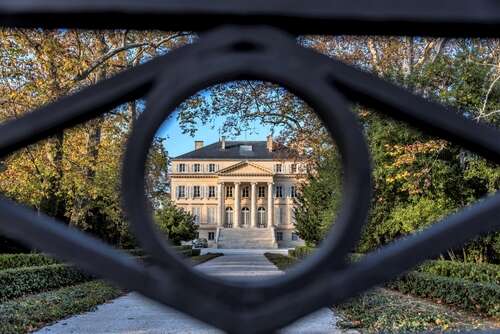
Château Brane-Cantenac 2ème Cru
(80% CS, 18% M, 1% CF, 1% , 1% Carm)
SF | A worthy exemplar to mark the centenary of the Lurton occupancy of Brane-Cantenac, a wine that continues apace on its upward trajectory. Henri muses that his father, the irrepressible Lucien, may well compare it to the 1928! Be that as it may, the wine is characteristically generous on the nose; flowers, spice, and dark fruit… iris and summer roses, maybe… cassis and sloe behind. The palate impresses with purity and concentration, and a square of levity circled by an effortless density of texture; a beguiling paradox that makes this exemplary house a worthy ambassador for the spirit of this impressive vintage. Quintessential Margaux, to boot! | 95–96
Baron de Brane
(59% M, 29% CS, 12% CF)
SF | A thoroughly attractive Baron, Airpulsed (but not non-plussed) by gravity and benefiting from stricter selection and, overall, a smaller vineyard. Juicy blueberry and damson, spice and then crushed raspberry; a warm, summery welcome, elegant, chalky tannins, and a pleasant, almost-floral lift on the finish. Joie de vivre writ large. | 92–93
Related

Château Brane-Cantenac Blanc
(59% SB, 41% Sm)
SF | Sandy, gravel soil hosts the vines for this excellent white wine, now in its seventh manifestation and relishing the refreshingly new Médoc Blanc nomenclature, something for Bordeaux to shout about. Barrels for Sémillon and demi-muids for Sauvignon Blanc (the yeast is sourced in the Loire Valley); together they make for a harmonious blend, pithy, waxy, and with a pleasing, floral lift, undercut by a subtle sapidity. | 92–93
Château Cantenac Brown 3ème Cru
(60% CS, 38% M, 1% CF, 1% PV)
Content from our partners
SF | With the extensive renovations nearing completion, technical director José Sanfins has every reason to be proud; the winery is a palace of environmental rectitude and the property itself still defies congruity, with its Victorian red-brick formality. The wine is less formal, maybe, with Cabernet still dominant, but far from domineering. The 2025 is succulent and quietly assertive (60% new wood), framed by beautifully silky tannins and a generosity of billowing fruit. A fascinating and highly successful effort, pleasingly different from Henri Lurton’s wine just across the road. | 93–94
Château Durfort-Vivens 2ème Cru
(91% CS, 9% M)
SF | The interplay between aromatics and sugar is a complex one, advises Gonzague Lurton, albeit fundamentally powered by an inverse relationship. It is no surprise, therefore, to find a lovely, black-tea and cassis aromatic garlanding this relatively low-alcohol gemstone. The wine boasts a richly saturated color and a palate that is powerful and pure, its part-aging in amphorae and its strict biodynamic upbringing both supporting the ensemble. A floral character, with eucalyptus in the background, then fennel and a hint of mint leaf… plums and blueberries, too. The tannins are discreet and gently chalky; the finish quietly ambitious. | 95–96
Château Ferrière 3ème Cru
(66% CS, 24% M, 6% PV, 4% CF)
SF | Ferrière’s 24ha (60 acres) are divided almost evenly between gravel to the west, and clay in the heart of the appellation, close to the winery. The biodynamic approach reaps dividends in 2025, with a generous and neatly structured wine that rejoices in aromatics of plum, coal embers, and eucalypt, and a palate of dark fruit, mulberry, and sloe, with black truffle and saddle leather providing a suitably invigorating backdrop. | 93–94
Château Giscours 3ème Cru
(64% CS, 31% M, 5% CF)
SF | General manager Alexander van Beek describes his 2025 in the pleasingly synesthetic terms of an “éclat aromatique lumineux,” and it is certainly the purity and precision that impress, even as the rich, fleshy texture glides over the palate with its fine, chalky tannins. Plot-by-plot precision is key, with many of the vineyard team given personal “responsibility” for individual parcels; the pixilation continues in the winery, where parcels are vinified separately. There is discreet power, with 50% new oak unobtrusive in support. The relatively modest 13.25% ABV goes some way to explain how such concentration can be so light on its feet. One has to be very strong to excel on the dance floor. | 94–95
La Sirène de Giscours
(86% CS, 7% M, 7% CF)
SF | The 86% of Cabernet Sauvignon is the highest ever in Sirène and certainly lends a cool, gravelly grandeur, explained by technical manager Jérôme Poisson in terms of diurnal variation, very gentle extraction, and the “cooling” effect of the forest that surrounds many of the vines. Dark fruit, firm acidity, and a gentle clasp of tannin; a Siren voice to heed, in this case! | 92–93
La Gurgue
(55% CS, 36% M, 9% PV)
SF | With a significant proportion of its 11ha (27 acres) dominated by sand and gravel, one might have presumed a torrid time for La Gurgue in the dog days of 2025; not so; the Demeter-certified grapes proved resilient and responsive to the late-August rains, their concentration complete, their sugar levels slowed down but refusing to shut down altogether. The result, with Claire Villars aided by her new enologist Charles de Ravinel, not to mention the celebrated consultant Eric Boissenot, is impressive indeed, its dark hue ceding to aromas of fireworks, sous-bois, and crushed blackberry. The Petit Verdot enlivens the palate with spice, and the lively dance enacted by the Cabernet Sauvignon and Merlot is performed with real éclat. A fine effort. | 93–94
Château d’Issan 3ème Cru
(64% CS, 30% M, 2% CF, 2% PV, 2% Mal)
SF | One should not get too carried away with the Malbec here; it was, after all, only planted in 2010; the Petit Verdot dates from 1948. Between them, however, a bite of spice is rejoined, to which one can add the leafy lift from the 2% Cabernet Franc. The overall aromatic beguiles; damask rose and Morello cherry, black tea and anise; all carried faithfully to the palate, which is silky and harmonious, its tannins refined and fine-grained, with 50% of the barrels new. A measured and elegant Issan, more than worthy to celebrate the 80th anniversary of the Cruse family tenure. | 93–94
Château Lascombes 2ème Cru
(60% CS, 35% M, 5% CF/PV)
SF | The focus on the historical vineyards around the château, clearly demarcated in 1855, brings ancient clay and gravel soils to the fore, their combination resilient in the face of the hot conditions in the high summer of 2025. Graphite and cassis on the nose, with hints of incense and jambon cru, an aromatic with no lack of pedigree, the theme rejoined and redoubled on the palate, which manages, beautifully, to combine supple fruit notes with a spicy, almost earthy, backdrop. One does not have to try too hard to discern the heart of Lascombes present, carefully transposed from all that has been bequeathed by Lascombes past. The property is more focused and positive than ever. | 95–96
Chevalier de Lascombes
(70% M, 27% CS, 3% PV)
SF | Axel Heinz reminds us that historically there was more Merlot in Margaux and he celebrates what he describes as the graceful power of this bright and juicy Chevalier. Satellite vineyards maybe, young vines perhaps, but the wine is fresh, bright, and pleasingly structured, with aromatics dominated by violets and crushed raspberry and an attractive mid-palate ripeness, with fine-grained and very poised tannins marking up the ensemble with distinction. | 92–93
Château Lascombes La Côte
(100% M)
SF | Lascombes’ foray into the realms of gentle controversy—namely, the release of a 100% parcelleaire Merlot from the heart of its historically blended offering—benefits in extremis from a juxtaposition of both limestone and blue clay, the latter bestowing rich and fleshy plum and damson fruit, the former a distinguished seam of acidity, which offers a clear and rather persuasive difference from Right Bank neighbors in Pomerol. Plenty of concentration and plush, but also a finely chiseled backdrop and neatly orchestrated tannins, which are beautifully drawn and irrevocably compelling. | 95–96
Château Malescot St-Exupéry 3ème Cru
(60% CS, 34% M, 6% PV)
SF | Léa Zuger is characteristically honest when she describes 2025 as a “really good but not excellent vintage.” We certainly concur with the “really good” part of the statement; the increasing focus on Cabernet Sauvignon has coincided nicely with the late-harvest philosophy, after what she describes as a “jump-start” attempt on September 15. A week or so thereafter, all flowed smoothly and any initial anxieties about ripeness were rapidly expelled. The fruit had all been picked by the end of September and is currently enjoying up to 16 months in oak, 45% of which is new. The nose is conspicuously savory, with white pepper and soft spice in support, then dark fruit and notes of camphor and violet. There is a chocolate, almost tapenade, richness here and a robust if far from excessive 14% ABV, which is balanced but relatively high, it turns out, for the vintage. Michel Rolland was consulting here for the 36th time, two days, as it turned out, before his untimely death. | 93–94
Château Margaux 1er Cru
(89% CS, 6% M, 4% CF, 1% PV)
SF | Flexibility, pragmatism, and self-belief were all demonstrated by technical director Philippe Bascaules, who picked late (finishing September 29) and picked ripe (13.8% ABV). If it was a gamble, then it paid off; if not, then it further demonstrates Philippe’s brilliance. A haunting nose, with flowers and fruit elegantly entwined, then hints of bitter chocolate, tobacco, and clove; all captured and magnified on the palate, which is both profound and uplifting; satin billowing in the breeze, the rose garden at dusk, and much more poetic inspiration. Some 14% of press wine has been used (a little less than sometimes), 100% new barriques (as usual), and at 22hl/ha, the overall production is set to be the smallest for more than a century (since 1856, to be precise)—alas! A dazzling achievement. | 98–99
Pavillon Rouge
(70% CS, 16% M, 10% PV, 4% CF)
SF | Rigorous selection has resulted in 35% of the crop being relegated to the third wine (Margaux du Château Margaux) and the fourth. The wine is therefore impeccable of pedigree and pure of temperament, with a wealth of red-berried fruit, a fine filigree of tannin, and a distinctive, savory, almost spicy note, courtesy the Petit Verdot, which gets far more representation in the Pavillon than in the grand vin. Quite serious and statuesque at this stage, built to last but far from austere. That is not the Margaux style. | 94–95
Pavillon Blanc
(100% SB)
SF | A very early harvest for these famous Sauvignon Blanc vines (August 18–22), as Philippe sensed that the pH was about to rise and that the vines had achieved ripeness. Some of the aging has taken place in larger wooden vessels and there has been a little less bâtonnage than usual, textural purity deemed key, with the safety cushion of 14% ABV. A nose of tilleul, nutmeg, and lemongrass, then a palate that recalls Conference pears and hazelnut, a dash of nougat even. “I like it because it does not smell of Sauvignon,” says Philippe, adding that “great wines should transcend varieties.” Both are thought-provoking statements, and this is a fascinating, thought-provoking wine. The yields were just 16hl/ha, so once again volumes will be very modest. | 92–93
Château Palmer 3ème Cru
(55% M, 41% CS, 4% PV)
SF | Not picking quite as late as near-neighbor Château Margaux, Palmer in 2025 nonetheless played a relatively long game in the face of inauspicious meteorological prediction; its fruit was not all brought in until September 26. “Nature does not know how to make wine,” jests Thomas Duroux, “but we must always listen to nature on such matters.” His more general concern centers on whether Merlot will continue to thrive in the Médoc; its relatively high proportion in both wines has long formed part of the wine’s DNA, lending a rich, velvety texture and a succulent mouthfeel. For all the anxiety for the future, it is clear that 2025 has suited this putative blend well. The singular aromatic marries dried fig, fireworks, and crushed blueberry; intensely seductive and yet slightly foreboding, like a Zurbarán tableau. The darker notes are rehearsed diligently thereafter, with firm tannic support, granular and precise, and then a distinctive buttress of impulsive acidity. As often with Palmer, one senses the proximity of the earth, while also being encouraged to indulge more ambitious intimations of sensual delight. And all harnessed, magnificently, by 13% ABV. | 97–98
Alter Ego de Palmer
(54% CS, 40% M, 6% PV)
SF | Thomas Duroux identifies three stages of maturity—technical, aromatic, and phenolic—the middle one most empirically significant but all in need of an eventual alignment, which came in 2025, quickly, after the rains of late August. No need to push thereafter, and nature’s gift was most obviously manifested by the moderate alcohol levels, allied to natural concentration—the type of concentration that one has come to expect at Palmer, a reward for its prolonged biodynamic rigor and, some may speculate, for the sui generis personality of its Médocain Merlot, which sometimes takes us away from Margaux altogether, organoleptically speaking. Not so this year; the Alter has been sourced across three main blocks, some sandier, some with more gravel. It boasts a typically intense, near-phosphorescent color, and then an aromatic that juxtaposes a basket of dark fruit with incense, pepper, and even camphor. Aging in oak and then foudre. Concentrated and velvety, with energy and authority on the finish. | 94–95
Château Rauzan-Ségla 2ème Cru
(65% CS, 33% M, 1.5% PV, 0.5% CF)
SF | Picked September 2–15, so appreciably early, and then aged in 60% new oak, the 2025 Rauzan-Ségla is a deeply saturated purple, its aromas immediately seductive, with dark fruit to the fore, then hints of iris and even jasmine; a parfumier’s dream. Nothing forced or overworked, however, as the finely nuanced palate confirms, the weave of its exceptionally elegant tannins perfectly judged in support of the ornate architecture. A refreshing finish, with a whisper of salinity. | 95–96
Château du Tertre 5ème Cru
(65% CS, 18% M, 11% CF, 6% PV)
SF | A little more Merlot in the grand vin than sometimes but the Cabernet Franc wins over immediately, with its leafy, refreshing aromatic and lift to the palate, which is focused and fresh, careless of the fact that this part of Margaux is very rich in gravel, with less clay than elsewhere. An aromatic of gravel and plum ensues, but not before the captivation of the deep color, betraying the thick, anthocyanin-rich skins. The structure is equally imposing, with fruit notes dominated by plum and prune, chalky, firm tannins, which do not lack for ripeness, and an earthy, sous-bois subplot. This is a very successful Du Tertre, its long-standing biodynamic principles paying dividends in the face of sometimes unforgiving heat. | 95–96
Les Hauts du Tertre
(61% CS, 15% M, 14% CF, 10% PV)
SF | “Hauts” is a somewhat relative term in the commune of Margaux, although there is a clear topographical undulation between the terraces, and these younger vines have benefited from a croupe of shallow gravel atop a substratum of nourishing clay. A highly successful outing in 2025 combines aromatics of roses and sous-bois, a succulent, approachable texture, and a finely wrought clasp of tannins. Velvety but understated, its 40% new wood barely perceptible, the wine rejoices in a complexity that combines notes of thyme and bay leaf, white tobacco, and, at the other end of the scale, mandarin and Mirabelle plum. Pleasingly complex, in other words! | 93–94