

Raymond Blake reviews a A Sip of Irish, produced and directed by Frank Mannion.
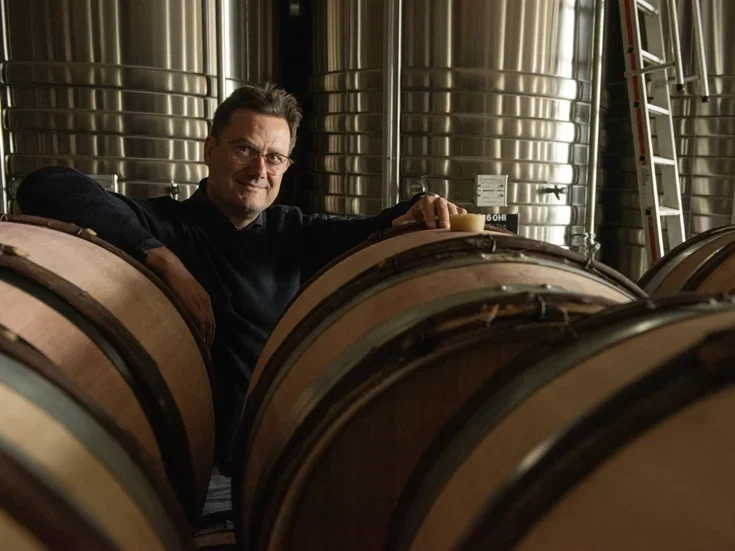
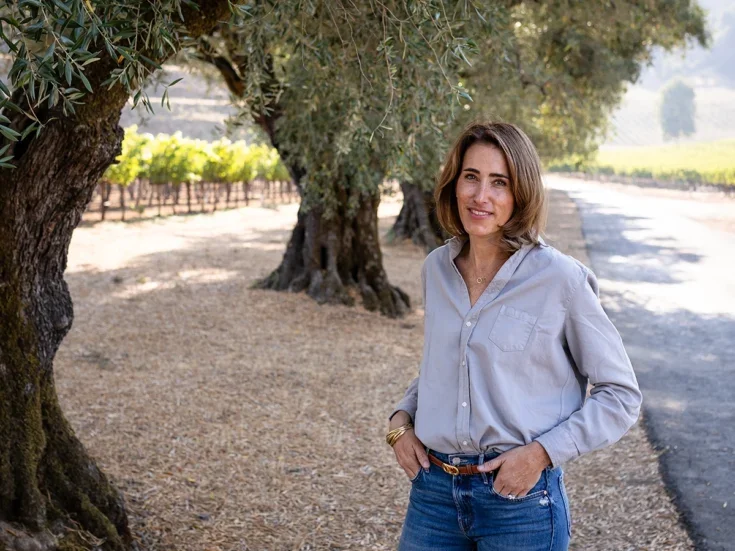
It’s not wine,” says Véronique Dausse, directeur général of Château Phélan Ségur when asked if she would consider producing a zero-alcohol “wine.” She seems shocked by the suggestion, musing in puzzled silence until adding a conversation-stopping, “No!” Her sentiments are echoed in similarly truculent and blessedly negative fashion by Kinou Cazes Hachemian, of Lynch-Bages and associated properties, and Lilian Barton of Langoa Barton and Léoville Barton. All the trio’s responses are short, to the point, and enriched by a wonderful sense of bemusement that the question was even asked. It is a glorious chorus of repudiation.
This commendable rallying call and defense of real wine, and not the attenuated imposter that has had its alcohol extracted like a dentist might pull a tooth, comes toward the end of Frank Mannion’s film A Sip of Irish, in which he takes the viewer on a long meander through the global drinks world, winkling out Irish connections wherever he goes—some rock solid, others more tenuous, all intriguingly told.
The film opens with an amiable ramble about the 360-acre (145ha) farm of fourth-generation farmer Joe Hayden in Tinahely, County Wicklow. There, 230 cattle—which Hayden describes, with no hint of irony, as “the most amazing ladies”—produce 1.5 million liters of milk each year, the cream of which is destined to give Baileys Irish Cream its signature satin texture. The bucolic setting is almost eulogized, and just as this segment starts to feel like sponsored content, the film cuts to the K Club in County Kildare, ancestral home of the Barton family and birthplace of the late Anthony Barton, though this is not explained. And then things come alive…
Related
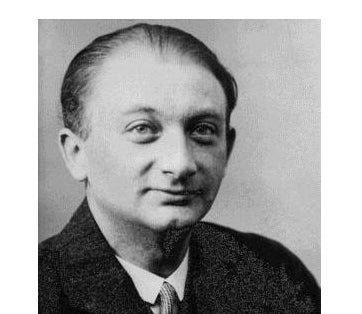
“Ireland should be truly proud of what it has done in the world of wine”; so says one of wine’s greatest ambassadors, Oz Clarke, whose mother was Irish and whose contribution to the Celebration of Flight dinner I organized in Dublin back in 2019 is still talked about in Irish wine circles (see WFW 68, 2020, pp.142–47). Clarke is granted a starring role in A Sip of Irish, one that he fills with aplomb, courtesy of his chiseled, dulcet tones and the conspiratorial grin that invites laughter from the viewer. At one point, he delivers a just-short-of-smutty laugh himself at the name Muff Liquor, a whiskey-producing company located in County Donegal in the northwest of Ireland. (Muff is the name of the town.)
As might be expected, he adds immeasurably to the production, though one might ask why no Irish wine commentator was included. At the very least, it would have been a good idea to explain Oz’s Irish ancestry, for it is slightly confusing when he refers to “we Irish” in a cut-glass English accent. Notwithstanding such minor quibbles, his numerous contributions act as shots of adrenalin, perking up the story whenever it threatens to flag. On one occasion, he resurrects the apocryphal tale about Haut-Brion being a French corruption of the Irish name O’Brien—a hoary old fable first spun at labyrinthine length by Irish wine writer and barrister Maurice Healy in his 1934 book Claret and the White Wines of Bordeaux. For a legal counsel, his premise was wafer-thin, shakily resting on his assertion that an Irish wine merchant, John Brian, may once have been the owner of Château Haut-Brion—at a time, conveniently, before written records of ownership were kept.
The “Irish” châteaux of Bordeaux are given due prominence, and listed among their number are Kirwan, MacCarthy, and Clarke—of which no plausible connection to Oz has been imaginatively discovered yet. In terms of renown, the duo that stand head and shoulders above these are Lynch-Bages and Léoville Barton (along with junior sibling Langoa Barton). It is for Lynch-Bages that Clarke saves his most compelling approbation: “Possibly the most enjoyable of all the red Bordeaux wines, it’s wonderful at ten, it’s even better at 20 years old, and it’s unbelievably good at 30 years old, and [continuing sotto voce] I actually can tell you it’s very nice at 40. Lynch-Bages is out of this world.”
Content from our partners
A fair portion of the film is given over to those wine producers, and rightly so, along with what might be called the “big three” of Irish drinks that enjoy global recognition—Guinness, Jameson whiskey, and Baileys Irish Cream. Whether or not people drink these radically different libations, they will surely have heard of them and associate them with Ireland—the slight fly in the ointment being that none of them is Irish-owned. Guinness belongs to the international drinks behemoth Diageo, Jameson (and almost all Irish whiskey) is part of Pernod Ricard, and while the cream in Baileys may well be Irish, the brand itself is also owned by Diageo.
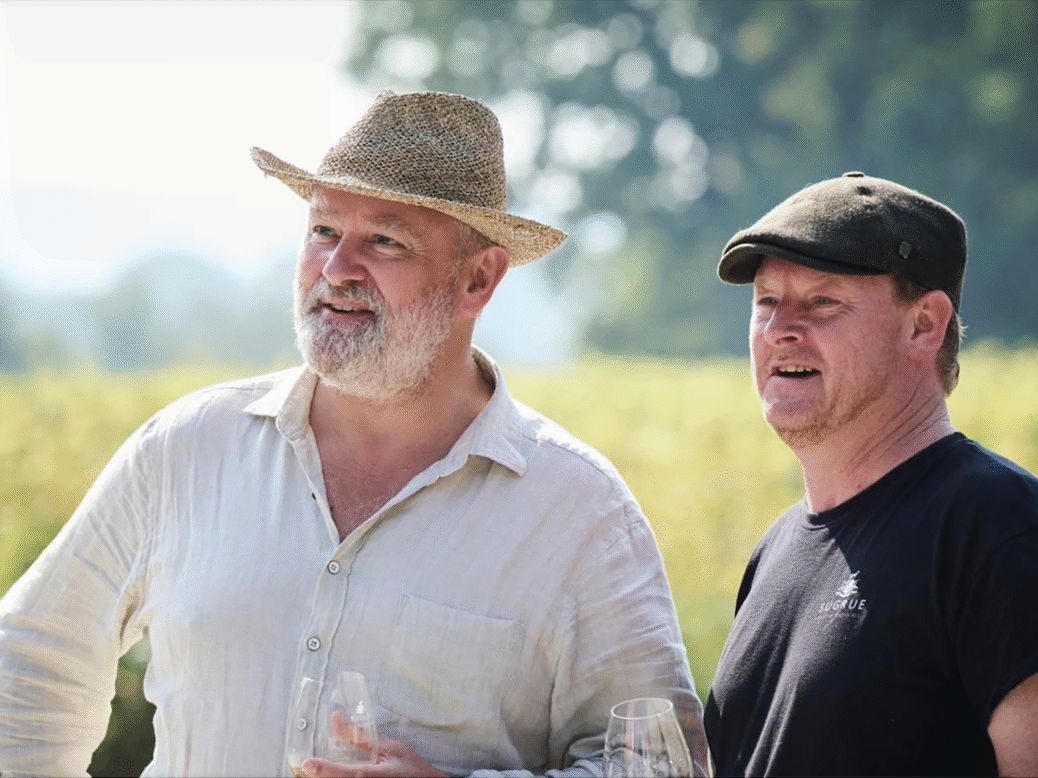
A Sip of Irish with some contemporary wine folk
Readers of this publication will be pleased to know that wine restores the balance, as Mannion deals commendably with the wide-ranging subject matter, which is probably a lot broader than many people realize. Within the confines of this review it is not possible to shine a spotlight on all the notable figures covered—including a clutch of contemporary wine folk—except in brief summary: Dermot Sugrue from Limerick, is widely regarded as the producer of England’s finest sparkling wines; Sam Neill, star of Jurassic Park, Peaky Blinders, and The Hunt for Red October, who was born in Northern Ireland, makes commendably restrained Pinot Noir at his Two Paddocks winery in Central Otago, New Zealand; Château La Coste in Provence is owned by Irish businessman Paddy McKillen and is noted for its extraordinary collection of sculpture in the grounds; and Bo Barrett of Château Montelena, Napa Valley, whose family hailed from County Waterford and whose 1973 Chardonnay stunned the world at Steven Spurrier’s 1976 Judgment of Paris tasting. It is barely a stretch to say that Montelena has been dining out on this success ever since.
This is not to forget some others who did not make the cut: Anthony Hamilton Russell in Hermanus, South Africa, whose Chardonnay and Pinot Noir were trailblazers for the Rainbow Nation; Jim Barry Wines in Clare Valley, Australia, noted for rapier-fresh Riesling and the commanding Armagh Shiraz; and County Mayo resident and pharmacist Róisín Curley MW, who doubles as a micro-négociant in Burgundy, currently based in Chassagne-Montrachet. Remarkably, there is no mention of Château de Fieuzal in Pessac-Léognan, which celebrates 25 years of Irish ownership this year. Visitors there are always greeted by the sight of the Irish tricolor beside its French counterpart and the EU flag. It feels like a morsel of Ireland that has been transplanted to Bordeaux. Well to the north, in St-Estèphe, the late Eddie O’Connor’s purchase of Château Tour des Termes may have come a little late for inclusion in the film, but his family’s plans for vineyard restoration and a carbon-neutral winery will be worthy of note in the near future. In short, there may soon be enough material for A Sip of Irish 2.
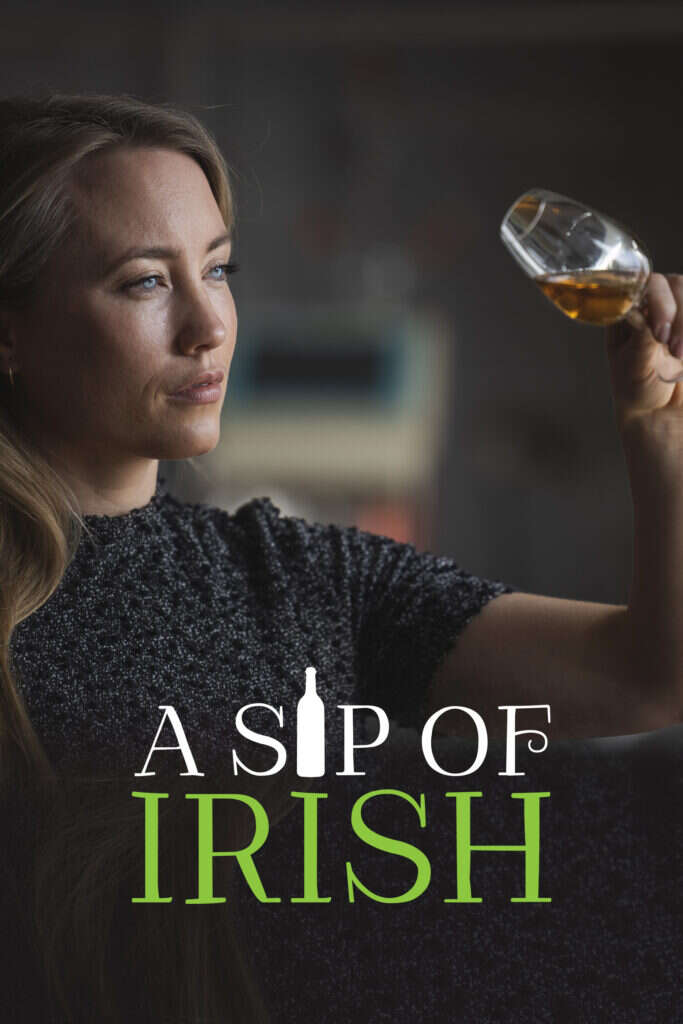
A Sip of Irish
Produced and directed by Frank Mannion
Swipe Films 2025, in association with Carlow Castle Films, Kasiyan Knockbeg Enterprises, CBS 3A1 Motion Picture Fund


